
Book Publicity: What Authors Need Before They Start Pitching Media
Most authors assume the hardest part is writing the book. But once the manuscript is done, a new challenge appears: getting anyone in media to pay attention. Before you send a single pitch, you need a set of foundations in place that most authors skip entirely.
This article walks you through everything required to run a credible book publicity campaign, from positioning and proof to your author media kit, story angles, interview preparation, and a realistic timeline. Whether you write fiction or nonfiction, publish traditionally or independently, this framework applies.
What this article covers:
- Why most early pitches fail and what to fix first
- How to set campaign goals, sharpen positioning, and gather proof
- What belongs in a professional media kit
- How to develop story angles and talking points reporters will actually use
- Realistic timelines for pre-launch through long-tail publicity
- When to DIY and when to hire a book publicist
- How to plan follow-up and measure results
This guide is for traditionally published authors, indie authors, and self-published authors across fiction and nonfiction who want to understand what media-readiness actually looks like before they start outreach.
Before you chase publicity: what authors actually need ready
Here is a scenario that plays out constantly: an author finishes a book, sends a handful of cold emails to journalists or podcast hosts, hears nothing back, and concludes the writing must not be good enough. In reality, the writing is rarely the problem. The pitch infrastructure is.
Most stalled campaigns trace back to missing foundations. The author cannot explain the book in one sentence. There is no media kit. Campaign goals are vague. Interview talking points do not exist. Publicity focuses on earning media coverage rather than paid ads, and that earned coverage depends on presenting a professional, organized case for why your book deserves attention.
You are not ready yet if:
- You cannot summarize your book in one compelling sentence
- You do not know which specific media outlets you want to reach
- You have no downloadable media kit or press page on your website
- You lack any external proof (reviews, endorsements, credentials)
- You have nowhere to send people after an interview-no website, no email list, no clear next step
Publicity campaigns can increase book sales and author recognition, but the value extends further. Strong book publicity builds long-term author brand equity, generates speaking engagements, and creates lead flow that lasts well beyond launch week.
The framework for the rest of this article follows a clear sequence: Positioning → Proof → Materials → Timeline → Outreach → Follow-up.
Clarify your campaign goals before you email a single journalist
Vague aims like "sell more books" give you nothing to act on. Specific campaign goals shape every decision that follows-which media you target, what materials you build, and how you measure outcomes.
Four concrete goal types:
- Authority-building: secure quotes in national outlets, features in trade journals, or panel spots at industry conferences
- List-building: grow email marketing subscribers through lead magnets, pre-order incentives, or launch team sign-ups
- Platform growth: increase followers or engagement on social media channels where your readers spend time
- Sales-related targets: hit a pre-order threshold, spike launch week rankings, or generate steady monthly book sales
Goals vary by author type:
- Debut novelists typically prioritize visibility, book reviews, and building an audience from scratch
- Subject-matter experts may focus on speaking engagements, consulting inquiries, and media mentions that establish credibility
- Indie authors with backlist catalogs often target long-tail growth-consistent sales and review velocity rather than a single launch spike
Your goals dictate whether you hire a professional publicist, pursue a DIY book publicity strategy, or blend both. They also determine how you define success: media hits, inbound speaking leads, or units sold.
Sharpen your positioning: who you are and why this book matters now
Positioning is where your book sits in the market and why you are the right person to talk about this topic right now. Without it, pitches feel generic and journalists move on.
Effective book marketing involves getting the right book in front of the right readers. That means you need to target a specific audience instead of trying to appeal to everyone. Identify your target audience demographics before any outreach begins.
What to articulate before any book promotion:
- Your target reader: who they are, what they already read, and where they consume media
- Your category or genre, stated clearly (not "it's kind of a thriller but also literary fiction")
- Two to three comparable titles published between 2022 and 2025 that show you understand the media landscape
- The gap your book fills-what it offers that recent comparables do not
Mini-examples of sharp positioning:
- A leadership book for first-time managers in tech startups, filling a gap left by broader management titles
- An upmarket novel for readers of Celeste Ng, exploring immigration identity through a multigenerational lens
- A practical guide for caregivers of parents with dementia, addressing post-2020 caregiving realities no recent guide covers
Four questions to answer before outreach:
- Why this book?
- Why you?
- Why now-what makes this relevant in the 2026–2027 news cycle?
- Why will this specific audience care?
Clear positioning also shapes tone, visual identity, and whether in person events, virtual events, or industry conferences make sense for your book campaign.
Build an author media kit that makes saying "yes" easy
A professional media kit removes friction. When journalists or podcast hosts receive a pitch, they want to confirm credibility and gather assets in minutes, not days. Create a professional media kit with essential assets well before your first outreach.
Core assets to include:
- A short author bio (100 words) and a long version (250–300 words)-your media kit must contain a compelling author bio
- A media kit should include a professional headshot, ideally two to three options (studio, casual, color and black-and-white)
- High-resolution book cover images (front and 3D mockup)-prepare high-resolution artwork for media requests
- A fact sheet listing the book's publication date, ISBN, format, page count, publisher, and price
- A short pitch paragraph summarizing the book publicity campaign angle
- Include a press release in your media kit for key announcements
- Your media kit should list potential story angles and talking points
Effective book promotion focuses on core assets like cover and editing, and those assets extend into your media materials.
Digital versions:
- A downloadable PDF media kit
- A dedicated "Media" or "Press" page on your author website
- A shared Google Drive or Dropbox folder journalists can access without requesting permission
Include three to five story angles and five to seven sample interview questions journalists can use verbatim. This reduces friction in media outreach and increases the odds of a "yes."
A consistent kit supports both DIY pitching and work with professional book publicists. It should be finalized at least three to four months before your official launch date.

Gather proof: reviews, endorsements, and credibility markers
Media gatekeepers assume thousands of books exist. They need external signals that yours is worth covering. Without proof, even a strong pitch feels like a gamble for a journalist.
Types of proof that matter:
- Advance reader copies sent to trade outlets like Publishers Weekly, Library Journal, and Kirkus-word of mouth is valuable for book promotion and can include strategies like ARCs
- Blurbs from recognizable names in your field or genre
- Relevant credentials: degrees, professional experience, awards, or notable speaking history
- Early reader feedback from Goodreads, NetGalley, niche blogs, or early readers in your community
- Past media mentions or interviews, even small ones
Realistic timeframes:
- Send ARCs to trade review outlets four to six months before publication
- Begin blurb outreach as soon as final galleys are ready
- Indie authors can use targeted beta readers, niche blogs, and micro-influencers to build social proof before pursuing bigger outlets
Partnerships with other authors can provide access to overlapping audiences, which strengthens both proof and reach.
Document metrics you can cite in pitches without exaggeration: number of email subscribers, size of your social audience, professional network, or community. Media people want relevant details that signal an engaged readership already exists.
Develop story angles and talking points reporters can actually use
Journalists care less that a book exists and more about a hook that fits their audience and the current moment. Develop multiple compelling story angles for media outreach-aim for five to ten, tailored to different media types including national news, trade press, podcasts, regional outlets, and niche blogs.
Publicists help authors develop compelling story angles for media outreach. Whether you work with one or go solo, the process is the same.
Turn your book into newsworthy story angles
Connect your book's themes to the current news cycle, seasonal hooks, or enduring cultural questions.
Example angles:
- For a small-business book: "What 2025 taught entrepreneurs about resilience and what to do differently in 2026"
- For a mental health memoir: tie to Mental Health Awareness Month in May with a personal essay pitch
- For a novel set during a climate disaster: pitch around climate reporting during wildfire or hurricane season
- For a parenting guide: connect to back-to-school coverage or year-end family wellness roundups
Tailor angles to each outlet's beat and reader interests rather than sending one generic pitch everywhere. Include one to two angles tied to personal story (origin of the idea, research journey) and three to four that are purely service-friendly (how-tos, data-backed lists, practical tips).
Craft concise talking points and practice interview preparation
Talking points are three to five key ideas you must land in any interview, regardless of what questions get asked. They keep you on message whether you are on live TV, a 30-minute podcast, or answering a written Q&A.
Build a simple interview preparation sheet:
- Three key messages tied to your book's core themes
- Three to five short stories or case examples you can deploy in any order
- One to two statistics or data points that ground your expertise
- One clear call to action for listeners (visit your website, sign up for your newsletter)
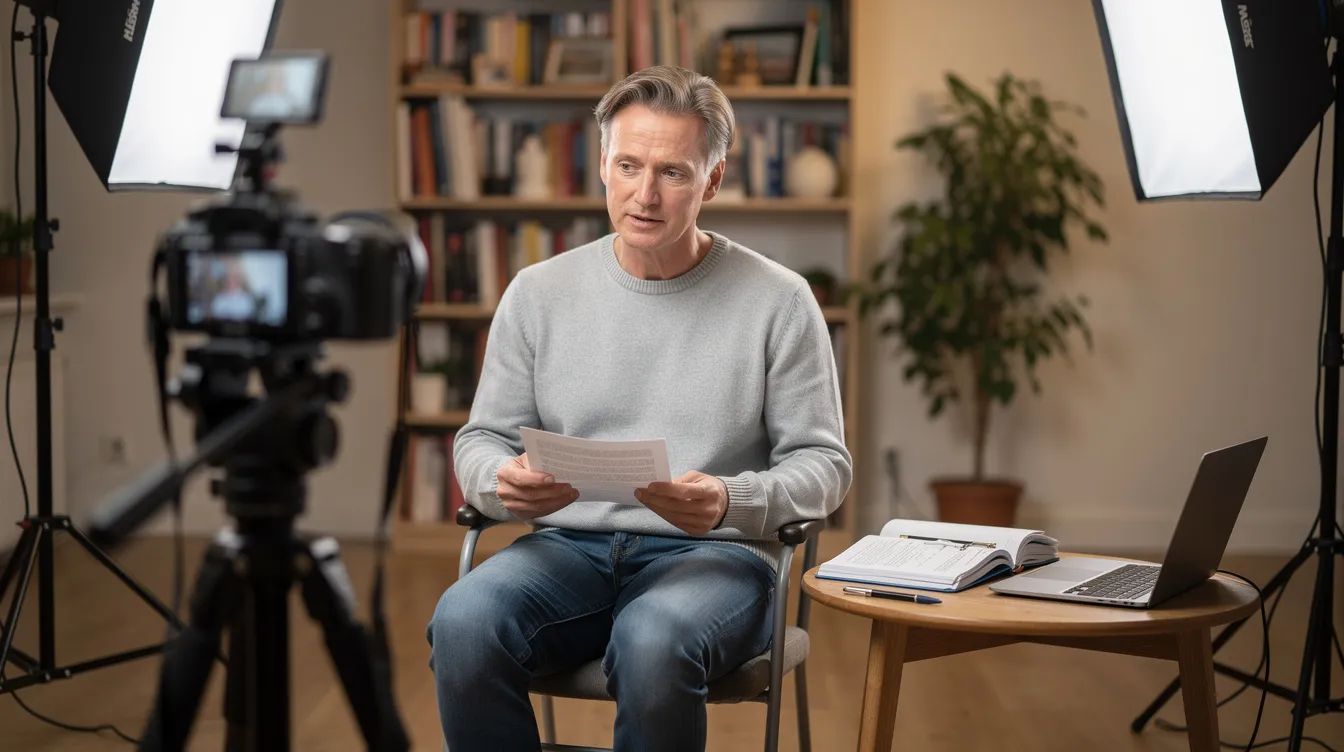
Rehearse for different formats. Time your answers to 30–60 seconds. Record at least one mock interview session-with a friend, writing group, or book publicist-before launch week. Media training does not have to be expensive, but it must happen before your first live appearance.
Set a realistic book publicity timeline (from pre-launch to long tail)
Earned media often requires a four-to-six-month runway before publication. Some book promotion continues a year or more post launch. Starting a publicity campaign early allows for effective planning and strategy. Start your publicity campaign at least three to six months prior to your release date.
Timeline by phase:
- 6+ months out: finalize positioning, begin building your media kit, start your media list, and begin ARC submissions to long lead media outlets. Contact key media outlets six months before your book launch.
- 4–6 months out: finalize your media list four months before your book launch. Submit ARCs to trade magazines. Begin outreach for long-lead print features. Identify media contacts at target publications.
- 2–3 months out: send galleys to media two months before publication. Expand outreach to podcasts, blogs, local media, and regional outlets. Schedule interviews and plan in person events or virtual events.
- 1 month out: build your Amazon author page one month before launch. Finalize email marketing sequences and social media presence.
- Launch week: coordinated media push, newsletter blasts, social media amplification, and any launch event activity.
- 1–3 months post launch: repurpose media coverage, continue outreach to niche outlets, push for book events and speaking engagements.
- Long-tail (months 4–12): revisit outlets with evergreen angles, leverage reviews and media hits for future opportunities, and pursue a long term strategy for the author brand.
Traditional publishing often centers everything on the publication date, with the in house publicity team and publicity department working on fixed schedules. Indie authors can work a longer, slower publicity arc but must compensate with aggressive early outreach.
The risk of starting late is real. Emailing national magazines two weeks before pub date means missing those slots entirely. Authors with late starts should focus on local media, podcasts, and owned channels.
Align your owned channels: website, email list, and social profiles
Media attention is wasted if there is nowhere for new readers to go. Before wide outreach begins, your owned assets must be polished and functional.
Author website checklist:
- Clear bio and book page with retailer links
- Media page with your downloadable author media kit
- Contact form for press and media requests
- Email list sign-up prominently placed
Email marketing setup:
- Welcome sequence for new subscribers-building a direct reader connection via an email list is crucial for authors
- An author newsletter is one of the strongest long-term assets you can build
- Tag system for book buyers versus launch team members
- Three to four messages planned for launch week and the first 60 days after release
Social media expectations:
- Pick one to two platforms where your specific audience spends time
- Optimize profiles with consistent author brand visuals and pinned posts about the book launch
- Engage with readers on social media to build a community
- Using social media as a discovery tool rather than constant selling is recommended
- Targeting specific social media communities can enhance book visibility and help you reach right readers
Book-specific promotion services offer author profiles and promotional deals that complement your owned channels, but they do not replace them.
DIY publicity vs. hiring a book publicist: how to decide
Not every author needs a publicist, and not every author should go it alone. The decision depends on timing, budget, genre, and comfort level with the pitching process.
When DIY is realistic:
- Your budget is limited, your target is niche or local media, and your timeline is long enough to learn
- Your campaign goals are moderate: some podcast interviews, local media coverage, steady book reviews
When hiring makes sense:
- Your publication date is approaching and you need professional media outreach at scale
- You are targeting traditional media, national outlets, or trade publications
- A publicist's established media relationships can enhance book visibility significantly
- Professional publicists tailor strategies to fit each author's unique needs
- Publicists help authors secure media coverage for their books through established media contacts and a seasoned publicist's track record
What a freelance publicist or publicity firm typically handles:
- Media research and building a targeted media list
- Pitch letter development and story angle creation
- Media outreach, follow-up, and reporting
- Interview preparation and content creation support
What authors still must do, even with help:
- Show up prepared for every interview
- Maintain their social media presence and author brand online
- Travel for key in person events or industry conferences
- Don't rely solely on your publisher's publicity efforts-engage your own networks
Red flags:
- No publicist can guarantee coverage in the New York Times or any specific outlet
- A PR campaign works best when hired three to six months before publication, not two weeks out
- A publicity firm or seasoned publicist amplifies your work-they do not replace an engaged author
Plan your follow-up and measurement before you send the first pitch
Measurement should be set up before your first email goes out, not retrofitted after the campaign ends. Building a targeted media list is essential for effective publicity campaigns, and tracking what happens with that list is equally important.
Key performance indicators tied to your campaign goals:
- Number of interviews booked and pieces of media coverage secured
- Website traffic spikes around media hits
- Email list growth (new subscribers attributed to specific coverage)
- Inbound speaking engagements or consulting inquiries
Basic tracking setup:
- Unique URLs or UTM parameters in pitches to trace referral traffic
- A simple spreadsheet logging media contacts, pitch dates, follow-ups, and outcomes
- Calendar reminders for follow-ups-follow up on media pitches within a week of sending them
Follow-up etiquette:
- Keep messages short and respectful
- Offer a new angle or resource rather than simply asking "did you see my email?"
- Know when to stop nudging-one to two follow-ups is standard before moving on
Public relations compounds over multiple books and years. One book publicity campaign informs the next through lessons learned and relationships built with media contacts.

FAQ: what authors expect when they're ready for book publicity
When should I start planning my book publicity campaign? Start your publicity campaign at least three months early, though four to six months is ideal for adult titles targeting trade outlets or long lead media. The earlier you begin, the more options you have.
What is the difference between publicity and marketing? Publicity focuses on earning media coverage-interviews, reviews, features-through media outreach. Book marketing includes paid advertising, social media, email marketing, and content creation. Marketing and publicity work best in tandem.
Do indie authors need different timelines? Indie authors and those with self published books have more flexibility but fewer built-in resources. The core timeline still applies, but indie campaigns may lean more heavily on podcasts, niche blogs, and social media channels rather than traditional media.
What materials should I have ready before talking to book publicists? At minimum: a professional media kit (bio, headshots, high resolution images of your book cover, fact sheet, and story angles), a functional website, and an elevator pitch. Finished books or final galleys should be available for review.
Can I start publicity after publication if I missed launch week? Yes. Post launch publicity is common. Focus on evergreen story angles, seasonal hooks, the news cycle, and book releases in adjacent categories. Many book events, virtual events, and speaking engagements happen months after the launch date.
How do I prepare for my first media interview? Build an interview preparation sheet with three key messages, short anecdotes, and a call to action. Practice with a friend or publicist. Record yourself. Media training-even informal-makes all the difference.
What results can authors expect from their first campaign? Set expectations around learning, relationship-building, and visibility rather than overnight bestseller status. A strong first PR campaign builds the foundation. Track media hits, list growth, and inbound inquiries as your primary signals of progress. Authors expect too much from a first campaign when the real value is cumulative.
If you are ready for more support, the next step is a conversation about your book publicity strategy and launch plan.
Talk through your book publicity and launch strategy
If your manuscript is in late stages or you have a confirmed publication date in 2026 or 2027, now is the time to assess your readiness for media outreach-not after your release date passes.
A consultation typically covers:
- Clarifying your campaign goals and target audience
- Assessing your current author media kit and proof points
- Mapping a realistic publicity timeline aligned with your launch date
- Outlining next steps whether you plan to DIY, hire a freelance publicist, or work with a publicity firm
Reach out before finalizing your launch week plan so that publicity, marketing, and in person events can be coordinated together rather than bolted on at the last minute. An initial meeting can surface gaps you did not know existed and create conversations that shape a stronger campaign.
Masterly Publishing Group (888) 209-4055 masterlypublishing.com