

Best Self Publishing Companies: What Authors Should Compare
Choosing the right self publishing companies can make all the difference between a book that reaches readers worldwide and one that quietly fades from the ebook market. With dozens of platforms, distributors, and service providers competing for your attention, the decision can feel overwhelming. This guide breaks down exactly what independent authors should compare - from royalties and print quality to editorial services and author rights - so you can build a publishing strategy that fits your goals, budget, and career stage.

Quick Answer: How to Choose the Best Self Publishing Company Fast
For most self publishing authors, the strongest starting point is a combination of platforms rather than a single provider. The most widely used options include Amazon Kindle Direct Publishing, IngramSpark, Draft2Digital, Kobo Writing Life, Apple Books, and Barnes & Noble Press. When authors need professional guidance with editing, design, or project management, adding a premium service partner rounds out the strategy.
Here is how the best self publishing platforms break down by use case:
- Best for reach: Kindle Direct Publishing (for Amazon's audience) paired with IngramSpark (for bookstores and libraries worldwide)
- Best for non-Amazon ebook sales: Apple Books, Kobo Writing Life, and Barnes & Noble Press - covering iOS readers, international markets, and the US brick-and-mortar channel
- Best for centralized ebook distribution: Draft2Digital - one dashboard to distribute ebooks across multiple retailers
- Best for hands-on support: Premium service companies (Troubador-style providers) that manage editing, cover design, typesetting, and production
No single self publishing platform is "best" for every author. You need to compare professional editing quality, cover design options, print on demand capabilities, global distribution reach, royalty structures, and rights terms before deciding. Using multiple platforms can help authors reach broader audiences.
This article walks through a step-by-step comparison framework, evaluates each major platform and service type, and ends with scenario-based recommendations so you can match companies to your specific situation.
How to Define Your Publishing Goals Before Comparing Companies
Before diving into platform features, clarify what you want your book to accomplish. Your publishing goals directly shape which self publishing companies deserve your attention.
Common goals include:
- Maximizing book sales and royalties through wide digital and print distribution
- Reaching international readers via global distribution across multiple retailers
- Using a finished book as a business card for consulting, speaking, or coaching clients
- Building an email list and owning your reader relationship through direct sales
Different goals shift priorities. A business author may care most about high quality printing for hardcovers and the ability to sell from their own website. A genre novelist in the writing world might lean heavily on Amazon KDP and Kobo Writing Life for digital reach and promotional tools. Authors can control their distribution through various self-publishing services - the key is knowing which levers matter most to you.
Before comparing platforms, answer these questions:
- What is your budget for production, marketing, and distribution?
- How much time can you invest in managing uploads, metadata, and sales channels?
- How comfortable are you with technology and self-service dashboards?
- Do you want professional help with editing, design, and marketing - or prefer DIY?
Your answers orient every decision that follows.
Key Factors to Compare Across Self Publishing Companies
This is the core comparison framework you will apply to every company mentioned in this article. Regardless of whether you are evaluating a self publishing platform like Kindle Direct Publishing or a full-service provider, these factors matter:
- Editorial quality: Does the company offer or connect you with professional editing and proofreading?
- Cover design and print layout: Can you supply your own cover, or does the company provide a cover designer? What about interior typesetting?
- Print on demand options: Paperback, hardcover, color, black-and-white - what formats are available?
- Ebook and audiobook support: Can you distribute ebooks and audiobooks from the same account?
- Global distribution networks: Does the company reach major retailers, bookstores, and library systems?
- Royalty structures and fees: What percentage do you keep? Are there setup fees, revision fees, or delivery charges?
- Contract terms and author rights: Do you retain full copyright? Is exclusivity required?
- Customer support and transparency: How responsive is the company? Are costs clearly itemized?
- Marketing tools and sales data: Do you get access to detailed reporting, advertising integrations, and promotional features?
One important distinction: a platform (like Kindle Direct Publishing or Kobo Writing Life) is where your book gets listed and sold. A services company (like a Troubador-style provider or a Reedsy-style marketplace) helps you produce the book before it reaches those platforms. Understanding this difference keeps you from comparing apples to oranges.
To make royalties tangible: a 70% royalty on a $4.99 ebook nets you roughly $3.20–$3.49 per sale depending on delivery fees. A 60% royalty on a $14.99 paperback might yield about $5.00 after printing costs. These details compound across hundreds or thousands of sales.

Types of Self Publishing Companies: Platforms, Distributors, and Service Providers
The phrase "best self publishing companies" covers three distinct categories. Understanding which type you need prevents costly missteps.
Direct publishing platforms - Amazon Kindle Direct Publishing, Apple Books, Kobo Writing Life, and Barnes & Noble Press (formerly Nook Press) - are retailers where you upload files and sell directly to readers. Self-publishing options include free platforms and paid services, and most direct platforms fall into the free category.
Distributors and aggregators - Draft2Digital, IngramSpark, PublishDrive, and StreetLib - spread your ebooks and print books to multiple retailers from one dashboard. They act as middlemen, handling file delivery, metadata distribution, and sometimes royalty consolidation.
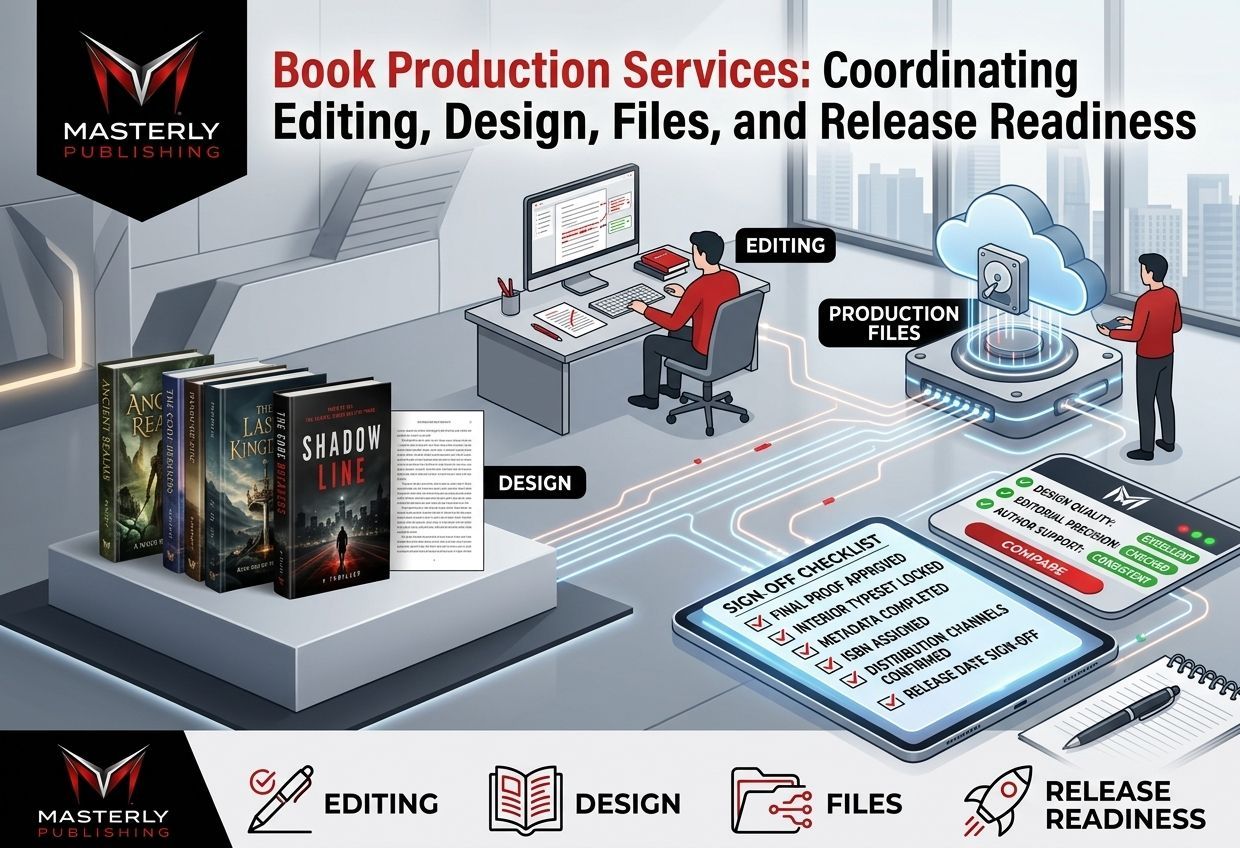
Full-service and à-la-carte providers - Troubador-style publishers, specialist editing and design firms, and curated freelance marketplaces like Reedsy - focus on producing a professional book. They handle editing, cover design, typesetting, and project management, sometimes bundling distribution as well.
Self-publishing platforms vary between DIY and assisted services. Most authors combine elements from all three categories: a service provider for production, a direct platform for their primary market, and an aggregator for everywhere else.
Evaluating Amazon Kindle Direct Publishing (KDP)
Amazon Kindle Direct Publishing is usually the first stop when authors search for the best self publishing platforms, and for good reason. Amazon accounts for 68% of global ebook sales, and 87% of indie authors report Amazon as their top revenue source.
Key features:
- Free account setup. No fees to create an account or upload titles.
- Ebook royalties: Authors choose between 35% or 70%. Amazon KDP offers 70% royalties for ebooks priced between $2.99 and $9.99 in qualifying territories, minus a delivery fee based on file size (roughly $0.15 per megabyte). Books priced outside that range earn 35%.
- Print on demand: KDP Print was launched in 2016 as a POD service. Paperback and hardcover options are available with royalties of up to 60% of the list price minus printing costs.
- Kindle Unlimited and KDP Select: KDP Select enrollment requires exclusive ebook availability on Amazon. In return, authors gain access to Kindle Unlimited page-read royalties, Countdown Deals, and free promotional days. The trade-off is that you cannot distribute ebooks through other platforms while enrolled.
Amazon KDP has been available since 2007, giving it a long head start in the self publishing world. Strengths include a massive built-in audience, integrated advertising tools, detailed sales data, and a mature self publishing service for both digital and print books.
Limitations are real, though. The marketplace is extremely crowded, making discoverability a challenge without paid advertising. KDP's customer support is often criticized as poor. And an Amazon-centric strategy means your book may never reach readers who shop on Apple Books, Kobo, or in physical bookstores.
Apple Books for Authors: When It Belongs in Your Mix
Apple Books is a major ebook retailer for iOS and macOS users and an important complement to Kindle Direct Publishing for authors going "wide" - selling on other platforms beyond Amazon.
- Free to publish. Authors need an Apple ID and access to a Mac (or an approved aggregator) to upload directly.
- Royalties: Apple Books provides 70% royalties on all ebooks regardless of price. There is no delivery fee, which makes it particularly attractive for image-heavy books where Amazon's per-megabyte charges would eat into margins.
- Audience: Skews toward tech-oriented readers in the US, UK, Australia, and other developed markets with high iOS adoption.
Authors who do not own a Mac can reach Apple Books indirectly through Draft2Digital or PublishDrive, both of which handle file delivery and reporting on their behalf.
Strategically, Apple Books gives independent authors a meaningful revenue channel outside Amazon's ecosystem. If you choose not to enroll in KDP Select, Apple Books should be among the first retailers you add to your self publishing platform mix.
Kobo Writing Life: International Reach for Self Published Authors
Kobo Writing Life is a digital self publishing platform with particular strength in Canada, Europe, and parts of Asia-Pacific. Kobo Writing Life distributes to over 190 countries, making it one of the widest-reaching ebook retailers available.
- Royalty structure: Kobo Writing Life pays 70% royalties for ebooks priced at $2.99 and higher, and 45% for ebooks priced below that threshold. No delivery fees apply.
- No exclusivity required. Authors can sell on Kobo alongside Amazon, Apple Books, and every other retailer simultaneously.
- Country-level pricing control. Authors can override prices by territory, useful for currency optimization in different markets.
Kobo integrates with global retail partners including Indigo/Chapters in Canada and various international bookstore chains. Library distribution is available through partnerships with OverDrive and similar services. Kobo Plus, its subscription reading program, pays royalties based on minutes read - and unlike Kindle Unlimited, does not demand exclusivity.
Kobo also supports audiobook distribution and offers in-platform promotional tools including price promos and curated features. For indie writers targeting non-US readers, Kobo Writing Life often delivers stronger per-title results than Amazon in Canadian and European markets.
Barnes & Noble Press: US-Focused Ebook and Print
Barnes & Noble Press (formerly Noble Press / Nook Press) is the most important US-centric retailer outside of Amazon. It serves readers who prefer the B&N ecosystem and brick-and-mortar browsing.
- Free setup. No account or listing fees.
- Ebook royalties: Barnes & Noble Press offers 70% royalties on all ebooks. Print on demand titles sold through bn.com earn approximately 55% of retail price minus printing costs.
- Benefits: Potential for in-store shelf space for strong regional or local titles. B&N promotional features and relatively fast royalty payment schedules compared to some aggregators.
Limitations include a much smaller ebook market share than Amazon and a largely US-centric audience. Authors still need Amazon KDP and possibly Kobo Writing Life for full domestic and international coverage.
When does it make sense to go direct to B&N Press versus reaching Barnes & Noble through aggregators like Draft2Digital or IngramSpark? If you want maximum control over metadata, pricing, and promotional participation on the B&N platform, go direct. If you prefer managing fewer dashboards, an aggregator can handle B&N alongside other retailers from one account.
IngramSpark: Print on Demand and Global Bookstore Access
IngramSpark, part of Ingram Content Group, is primarily a distribution and print on demand engine used by both self published books and titles from traditional publishing houses. IngramSpark is known for high-quality printing and wide distribution, making it the go-to choice for authors who want their print books stocked in physical bookstores and libraries.
- Fees: Account and title setup are free. Revision fees apply after an initial window (free revisions within 60 days). A market access fee of roughly 1–1.9% is charged on sales for global distribution.
- Print formats: Paperback, hardcover, color, black-and-white, multiple trim sizes. IngramSpark offers global print-on-demand distribution options with broad geographic reach.
- Wholesale discounts and returns: Authors can set wholesale discounts (often 50–55%) and enable returns, which makes titles more attractive to bookstores and library systems for broad distribution.
Typical print royalties are calculated as retail price minus wholesale discount and print cost. For a $14.99 paperback with a 50% wholesale discount and $4.00 printing costs, the author earns roughly $3.49 - lower than the same book on KDP, but with access to tens of thousands of non-Amazon retail locations.
User experience has documented issues: slower customer support, a less intuitive upload interface, and occasional inconsistencies in print quality across batches.
File revision fees, while reduced recently, still add up if you make frequent corrections.
The most common strategy is pairing IngramSpark with Amazon KDP: use KDP for Amazon-only sales (higher royalty per copy) and IngramSpark for print distribution everywhere else. This combination maximizes both book sales and global distribution reach.

Draft2Digital, PublishDrive, and Other Ebook Aggregators
Aggregators let independent authors distribute ebooks - and sometimes print books - to multiple retailers without managing a dozen separate dashboards.
Draft2Digital simplifies ebook distribution to multiple retailers. It charges no upfront fees and takes approximately 10% of retail or net revenue depending on the retailer. It distributes to Apple Books, Kobo, Barnes & Noble Press, library systems, and more. D2D is known for user-friendly tools including automated back matter, universal book links, and streamlined ISBN management.
PublishDrive uses a subscription pricing model where authors can keep 100% of their retailer royalties. A free tier covers one book on limited channels. PublishDrive distributes to 50+ stores and 240,000+ libraries, including Google Play and niche international markets. It also offers AI-assisted metadata optimization and promotional tools.
StreetLib serves as an example of an aggregator with particular strengths in non-English and emerging markets, including audiobook support across multiple distribution channels.
When to use aggregators vs. going direct: If you want maximum royalty per sale on a specific platform, go direct (e.g., upload directly to Kobo Writing Life for 70% instead of ~60% via an aggregator). If you value time savings and consolidated reporting across many retailers, aggregators earn their commission. Many successful indie authors use a hybrid: direct on Amazon KDP, direct on one or two other platforms, and aggregator for the rest.
Other Popular Print on Demand Services (Lulu, Blurb, and More)
Some print on demand providers specialize in specialty formats or premium print quality, supplementing core platforms in any self publishing company comparison.
Lulu is known for print-on-demand and specialty books. Its catalog includes paperbacks, hardcovers, photo books, and spiral-bound formats. Lulu integrates with distributors for global distribution and appeals to authors who want a DIY orientation with more format flexibility than KDP Print or IngramSpark offer.
Blurb offers exceptional printing quality for visual books - photo books, cookbooks, art and design titles, and coffee table volumes. Blurb allows authors to design and sell books using POD, with integrated layout tools that simplify production for image-heavy content. Authors keep 100% of royalties with Blurb's POD service, setting their own retail price and margins. The trade-off is higher printing costs and shipping, which must be factored into pricing.
POD services print books only after an order is placed, eliminating inventory risk. Cost, print quality, and distribution trade-offs differ from using Amazon KDP Print or IngramSpark alone - Lulu and Blurb tend to offer more premium or niche format options but with narrower retail reach unless paired with a distributor.
Photographers, illustrators, and children's books authors frequently prefer these services for print production even when their ebook distribution runs through KDP or Draft2Digital.
Full-Service Self Publishing Companies and Production Partners
Some of the best self publishing companies for busy authors are full-service providers that handle editing, cover design, typesetting, project management, and sometimes distribution - letting you focus on your writing career.
UK-style examples like Troubador Publishing represent a model of premium, editorially guided service where authors pay for a defined production package and receive a professionally produced book. Specialist providers focus on specific elements like editorial services and design, leaving distribution to the author.
These differ from platforms in a critical way: authors typically pay fees or packages up front for professional services rather than sharing only a percentage of the cover price. Package costs range from around $1,499 for minimal offerings to $25,000+ for full-imprint services.
Professional editing and design help can enhance self-publishing success significantly, but transparency is everything. Look for:
- Clear contracts with itemized costs
- Defined deliverables and timelines
- Explicit statements about author rights (you retain copyright)
- Direct access to sales data and reporting
- No mandatory bulk inventory purchases
Cross-check any full-service self publishing company against watchdog resources like the Alliance of Independent Authors' service ratings. Avoid companies that resemble vanity publishing operations - they charge high fees, offer little editorial value, and sometimes claim ownership of your work.
Freelance Marketplaces and Specialist Teams (Reedsy-Style Models)
Many independent authors assemble their own publishing team - editor, cover designer, typesetter, marketer - using curated marketplaces rather than bundled packages.
Reedsy-type platforms offer vetted freelancers with traditional publishing experience, built-in messaging and contracts, free book formatting tools, and variable pricing based on each freelancer's expertise. This approach combines professional quality with platform flexibility.
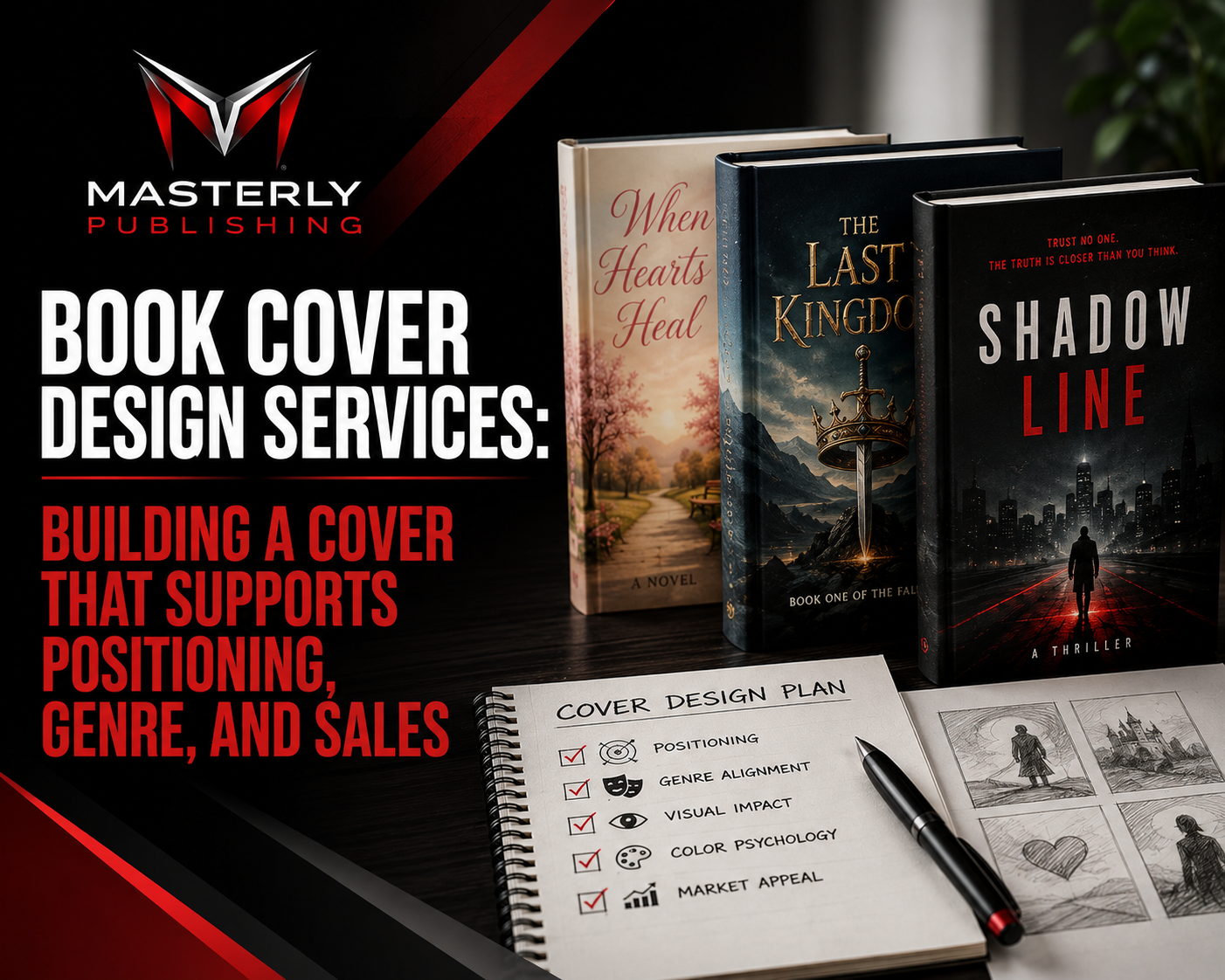
The contrast with generic freelance sites matters. Cheaper, less curated options carry real risk of subpar editing and cover design - two factors that directly impact how readers perceive self published books. A professional cover designer and a skilled editor from a curated marketplace can produce results on par with traditional publishing houses.
This route works best for authors who are comfortable project managers: people who want control over each vendor while using Amazon Kindle Direct Publishing and IngramSpark purely for distribution. The trade-off is more time and decision-making. You become the publisher, managing timelines, quality checks, and communication across multiple specialists.
Author Rights, Contracts, and Red Flags to Watch For
The best self publishing companies are defined as much by what they refuse to take from authors as by the services they offer. Protecting your rights is non-negotiable.
Key rights principles:
- Retain copyright. You should own your work. Platforms like KDP, Kobo, and Apple Books require only a limited license to distribute - they do not claim ownership.
- Avoid contracts that claim your content, cover, or ISBN without clear compensation or justification.
- Demand clear rights reversion terms. If a contract ends, how quickly can you move your files to another self publishing company?
Common red flags in the publishing industry:
- Long-term exclusivity with no compensating benefit
- Non-transparent "net" royalty calculations where hidden costs are deducted before your share
- Mandatory overpriced marketing packages or forced large inventory purchases
- Claims of guaranteed bestseller status without verifiable metrics
- A vanity press model that charges thousands upfront and delivers minimal professional value
Organizations like the Alliance of Independent Authors and the Society of Authors provide contract vetting, watchdog reports, and impartial guidance. Use them before signing anything.
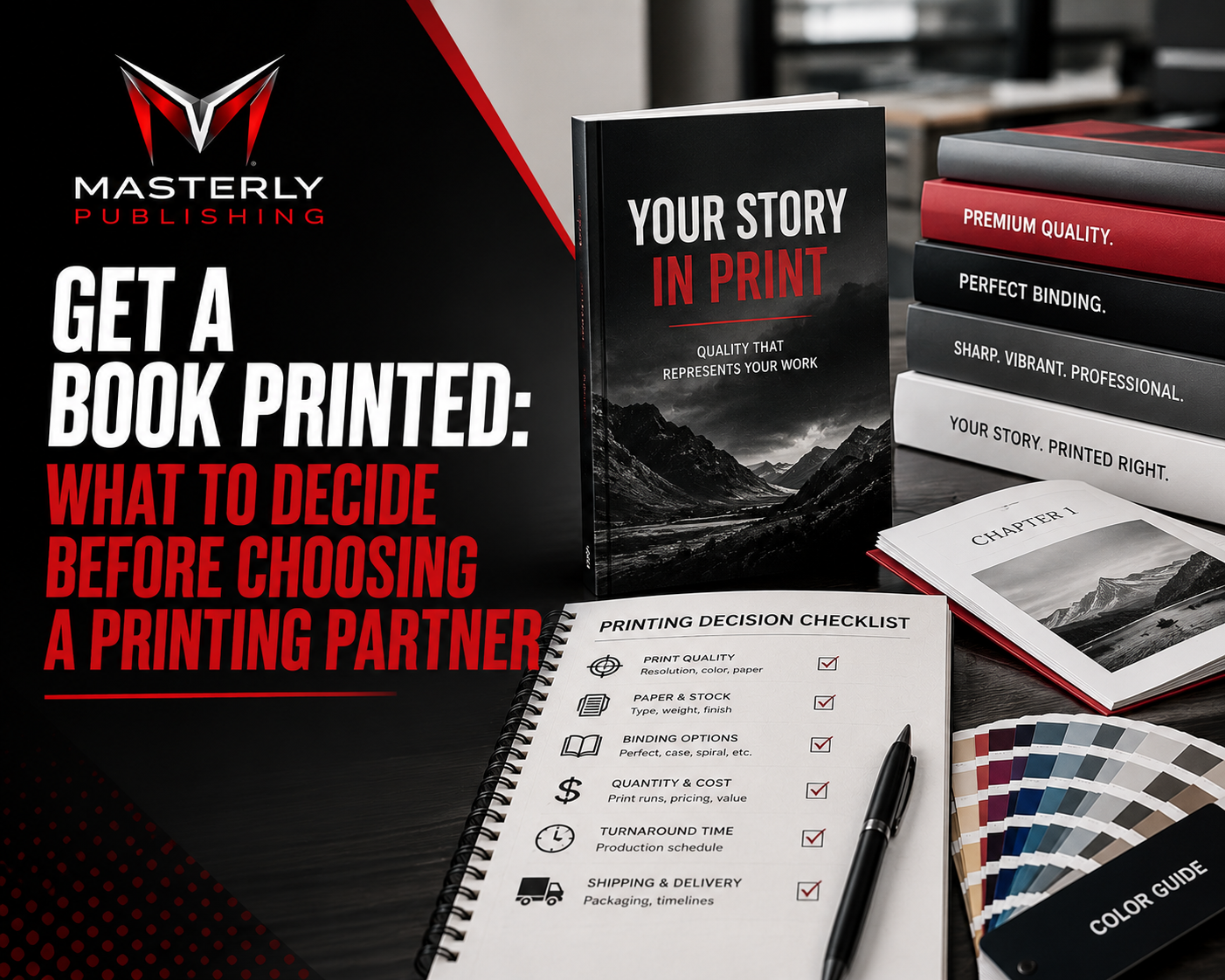
Quality differences matter. Binding durability, paper weight, color accuracy, and margin bleed all affect reader satisfaction. For visually complex books - children's books, art titles, cookbooks - these differences are pronounced. High quality printing from IngramSpark or Blurb may justify higher per-unit costs.
Order proof copies from at least two providers before committing. What looks perfect on screen may reveal thin paper, washed-out colors, or binding issues in physical form.
For large print runs (500+ copies for events, bulk sales, or library distribution), offset printing can reduce per-copy cost substantially. Some self publishing service providers can help manage offset runs, warehousing, and bulk shipping when demand justifies it.

Marketing, Metadata, and Owning Your Reader Relationship
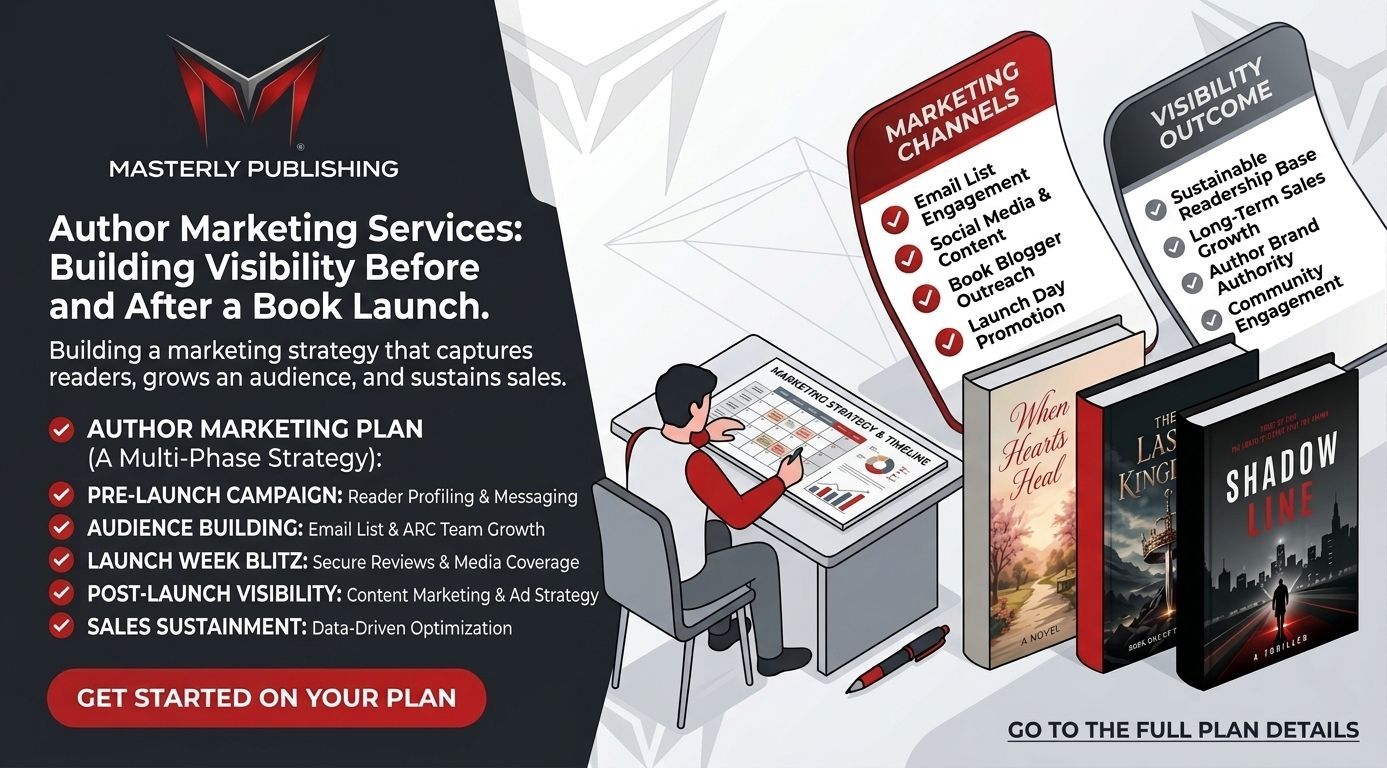
Even the best self publishing platforms do limited marketing on your behalf. Long-term online sales depend on the author's own audience-building efforts in the writing world.
Platform-provided marketing tools include:
- Amazon: Sponsored ads, Countdown Deals (KDP Select only), free promotion days, A+ content
- Kobo Writing Life: Price promos, curated promotional features, Kobo Plus participation
- Apple Books: Pre-order support, editorial features (by invitation)
- Draft2Digital and PublishDrive: Marketing programs, email list tools, and reader engagement features
A compelling book description can significantly boost sales - treat it as sales copy, not a summary. Using keywords effectively can improve book discoverability on Amazon and other search-driven platforms. Categories, tags, and metadata differ slightly between Amazon Kindle Direct Publishing and other retailers, so optimize each independently.
Direct sales options - selling from an author website using Shopify, Payhip, or specialized direct-to-reader tools - let you own your email list and customer data. This complements marketplace distribution and gives you direct access to your target audience without an intermediary.
External marketing services like BookBub, Reedsy Discovery, and Written Word Media are specialized companies that complement publishing platforms rather than replace them. They help where sales happen: at the point of reader discovery.
Independent Author Support Networks and Watchdog Resources
Organizations and communities help independent authors navigate the self publishing company comparison process safely and confidently.
- Alliance of Independent Authors (ALLi): Offers watchdog service ratings for publishing services, a code of standards, impartial guidance, and community forums. Their ratings distinguish ethical providers from vanity publishing operations.
- Society of Authors and Writers & Artists resources: Provide contract advice, publishing industry contacts, and educational materials for authors at all stages.
- Educational events and courses: Self-publishing experience days, online academies, and conferences teach the publishing process for platforms like Kindle Direct Publishing and IngramSpark.
Use these resources to cross-check marketing claims made by any self publishing company before signing or paying. A company that cannot withstand scrutiny from neutral third parties is one to avoid.
Scenario-Based Recommendations: Matching Companies to Your Situation
This section turns earlier comparisons into practical guidance. Successful indie authors often use multiple self-publishing platforms - the right combination depends on your personal experience, genre, and goals.
First-time novelist with no audience: Start with KDP for Amazon reach. Add Draft2Digital to distribute ebooks to Apple Books, Kobo, and B&N. Use KDP Select initially for Kindle Unlimited visibility, but consider going wide after building momentum. Keep costs minimal - invest in professional editing and a strong cover.
Experienced blogger or speaker with an email list: Use KDP for the Kindle version, IngramSpark for hardcover and bookstore distribution, and direct sales from your website. Your existing audience makes direct access to readers your biggest advantage. Prioritize print quality for a book that doubles as a business card.
Children's or illustrated book author: Prioritize Lulu or Blurb for print production (color accuracy, paper weight). Use Kobo Writing Life or Apple Books for ebook distribution - both avoid Amazon's per-megabyte delivery fees on image-heavy files. Your specialty formats demand proof ordering from multiple providers before committing.
Non fiction book author outside the US/UK: Kobo Writing Life (190 countries) and PublishDrive (50+ stores, 240,000+ libraries) provide the widest international reach. Add IngramSpark for physical bookstore placement. Use Draft2Digital for remaining channels.
Genre fiction author building a catalog: Go wide from the start: KDP (direct), Kobo Writing Life (direct), Apple Books (direct or via D2D), B&N Press. Use universal book links from Draft2Digital for marketing. Build toward volume where subscription models like PublishDrive may save on per-sale commissions.
You can phase platforms in over time. Start with one or two core companies and expand as your publishing journey progresses. Monitor book sales and adjust your company mix regularly.
Frequently Asked Questions About the Best Self Publishing Companies
Is Amazon Kindle Direct Publishing enough on its own? For many authors, Amazon is where most sales happen - 87% of authors report Amazon as their top revenue source, and Amazon accounts for 68% of global ebook sales. However, relying on a single retailer creates risk. Going wide with Apple Books, Kobo Writing Life, and Barnes & Noble Press captures readers Amazon misses and diversifies your income.
How do I publish to Apple Books without a Mac? Use an aggregator like Draft2Digital or PublishDrive. Both deliver your ebook files to Apple Books and handle reporting, so you never need direct Mac access.
Do I need IngramSpark to get into physical bookstores? IngramSpark is the most reliable path to shelf space in independent bookstores and chain retailers beyond Amazon. Bookstores order from Ingram's catalog. Without IngramSpark (or a similar Ingram Content Group channel), getting a book published and stocked in physical stores is extremely difficult for self publishing authors.
Can I move my book from one platform to another? Yes, on most platforms. KDP, Kobo, Apple Books, and B&N Press allow you to unpublish and republish elsewhere. If you used KDP Select, you must wait until your enrollment period ends. Full-service companies vary - always check rights reversion clauses before signing.
How do ISBNs work across self publishing companies? Each edition of your book (ebook, paperback, hardcover, audiobook) needs its own ISBN if you want it. Some platforms (KDP, B&N Press) offer free ISBNs, but these are tied to that platform. For maximum flexibility, purchase your own ISBNs from your country's official agency. This is especially important for selling books through IngramSpark and multiple retailers.
What about audiobooks? ACX (Amazon's audiobook platform), Findaway Voices, and PublishDrive all offer audiobook distribution. Aggregators like StreetLib also support audiobook delivery to Spotify, Audible, Google Play, and library systems. Audiobooks are a growing segment that complements ebook and print distribution.
Do self publishing companies own my book? No - not on legitimate platforms. Amazon KDP, Apple Books, Kobo, and B&N Press grant only a distribution license. You retain copyright. The myth that "self publishing companies own your book" comes from confusion with vanity publishing operations that include exploitative contract terms. Always read the fine print.
How to Shortlist and Vet Self Publishing Companies (Step-by-Step)
Here is a practical checklist for choosing the right self publishing company:
- Clarify your publishing goals. Income? Credibility? International reach? Speaking career?
- List must-have features. Print on demand? Global distribution? Professional editing? Library distribution?
- Filter for platforms that meet your technical needs. Check format support, file requirements, and dashboard usability.
- Check rights and royalty terms. Confirm you retain copyright. Compare effective per-sale earnings, not just headline percentages.
- Read third-party reviews and watchdog ratings. Check ALLi, Trustpilot, and author forums.
- Order proofs or trial services. Before committing to a print provider, hold the physical book in your hands. Before paying a service company, request sample edits or design concepts.
- Decide on a primary publishing home plus backup channels. Most authors need two to four platforms for full coverage.
Before signing any contract with a service company, verify:
- Total fees and what is included
- Who owns the final files (cover, interior, metadata)
- Timeline for production and delivery
- How and when you receive sales data
- Termination and rights reversion terms
- Whether there are mandatory purchase requirements
Your mix of platforms will evolve. A first book might start on KDP alone. By book three, you might be using KDP, IngramSpark, Kobo Writing Life, and a professional editor from a curated marketplace. The best self publishing strategy is iterative.

Conclusion: Choosing the Best Self Publishing Companies for Your Long-Term Career
The best self publishing companies differ by author, genre, budget, and career stage. There is no universal answer - but there is a universal approach. Mix platforms strategically: KDP for Amazon, Apple Books and Kobo Writing Life for going wide, IngramSpark for bookstore and library access, Draft2Digital for simplified multi-retailer distribution, and service partners for professional production quality.
Prioritize rights retention, transparent royalties, quality editing and cover design, and realistic marketing expectations over flashy promises. A self publisher who understands their own goals and compares options methodically will consistently outperform one who signs with the first company that looks appealing.
Think beyond a single book. Your writing career is built on a catalog, a brand, and direct reader relationships developed through smart use of platforms and services. Every book you publish teaches you more about what works - and the right companies make that learning faster and more rewarding.
Independent authors can achieve professional-grade results by combining the right self publishing companies with a thoughtful, informed strategy. The publishing process no longer requires a gatekeeper - it requires a plan.
Ready to build yours? Request a Publishing Consultation to get personalized help applying this comparison framework to your next book.