


Book Production Services: Coordinating Editing, Design, Files, and Release Readiness
Book production services transform a completed manuscript into a market-ready book. They cover every step between a stable draft and a finished product that readers can hold or download: editing handoff, cover design, interior design and typesetting, file preparation, proofing, metadata setup, and printing readiness. For authors, experts, and organizations publishing in 2024–2026, coordinated production is no longer optional if the goal is a book that looks, reads, and performs like a traditionally published title.
Masterly Publishing is a book production company that focuses on this coordination, not a mass self-publishing platform. The process is fee-for-service. Authors should retain 100% of their publishing rights with reputable services, and that principle guides every project. Book production services include editing, design, layout, and quality control work, managed as a single integrated workflow rather than a patchwork of disconnected freelancers.

This page expands the core publishing-services hub and links out to deeper resources on editing, design, printing, and distribution rather than duplicating them. By the end of this article, you will understand what a coordinated production partner does, when to hire one, and how Masterly Publishing's book production support works.
Who Uses Professional Book Production Services-and When
Consider a first-time nonfiction author finishing a leadership manuscript in 2025. The content is strong, the structure is sound, and the editing is done. What remains is a long list of technical and creative tasks that have nothing to do with writing. Now consider a university lab publishing a 2024 research compendium with dozens of charts, tables, and contributor credits. Or a small press updating a backlist series for a 2026 re-release with new cover designs and a hardcover option.
Each of these projects needs the same thing: expert guidance across production stages.
Common client profiles include:
- Solo authors and thought leaders publishing under their own imprint
- Corporate and nonprofit communications teams producing branded titles
- Small and independent publishers without in-house production staff
- Academic units and research organizations with complex layouts
A book production company is most helpful right after substantive editing, when juggling multiple freelancers has become overwhelming, or when a launch date is tied to a conference or seasonal window. Production services help maintain creative control for self-publishing authors while providing the coordination that keeps a project on schedule. Authors should evaluate the transparency and pricing of production services before committing.
From Manuscript to Editing Handoff: Preparing for Production
The production workflow typically follows after the manuscript is edited. Book production services start the moment the manuscript is considered editorially stable-not while chapters are still being drafted. Developmental editing assesses structural elements like plot and character development, and that work must be complete before layout begins.
What "editing handoff" means in practice:
- Final structural edits complete and chapter order locked
- Copyediting largely done with a style sheet in place
- Image captions, alt text, and permissions tracked
- Front and back matter content (preface, acknowledgments, TOC) drafted
- Legal review completed for quoted material and trademarks
Masterly Publishing reviews a manuscript for production readiness by checking word count, artwork count, tables, appendices, and any legal-review needs. The
rule is simple: use Word with consistent heading styles (Heading 1, 2, 3), resolve all tracked changes, and follow a clear file naming convention. A well-managed editing handoff avoids rework in design and enables a realistic schedule for every stage that follows.
Cover Design Services: Translating Publishing Strategy into Visuals
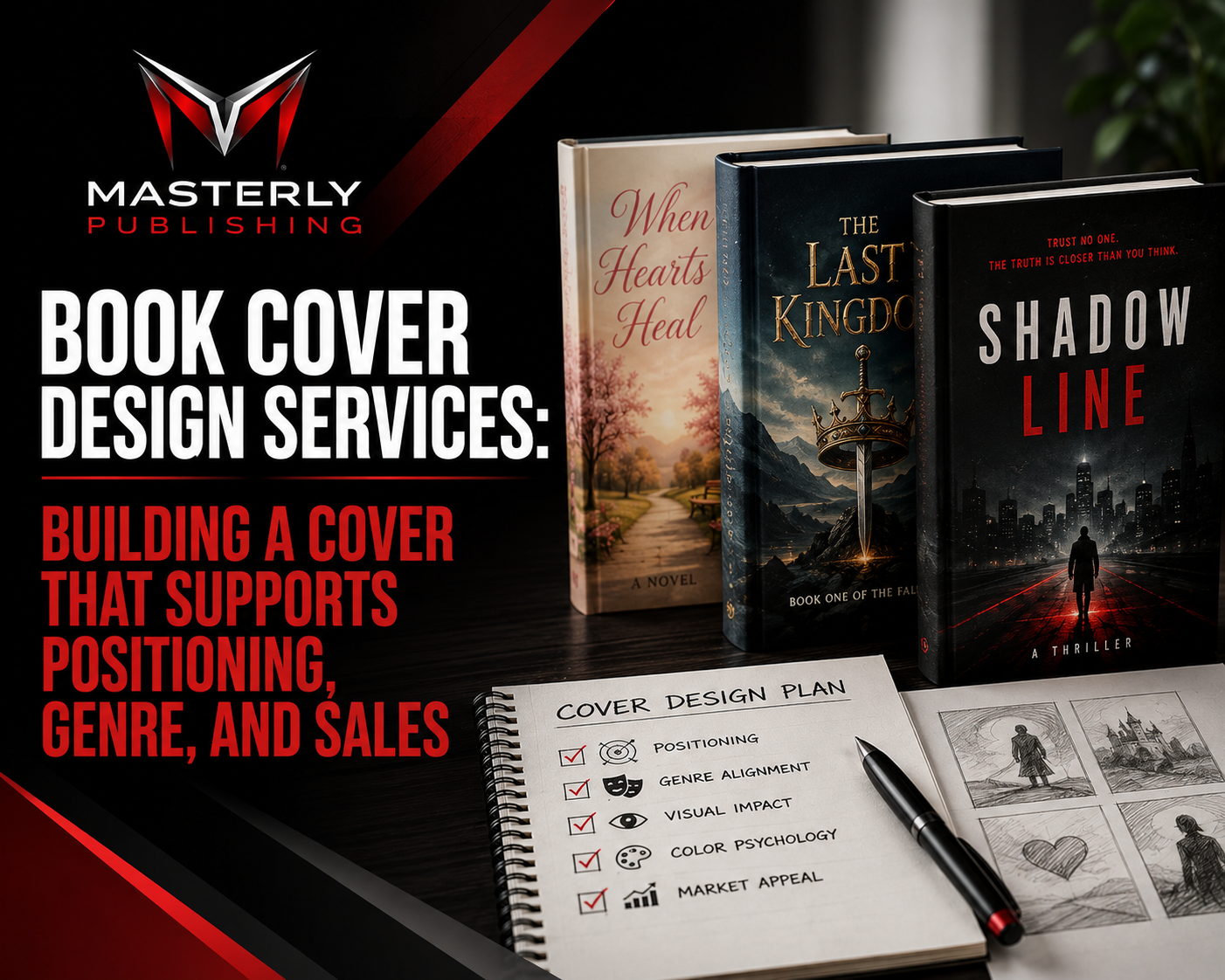
Most designers working with templates produce covers that look generic and ignore genre conventions, competitive shelves, and thumbnail readability. Professional cover design creates genre-appropriate front, spine, and back covers tailored to audience and market. Professional book design enhances the final product's visual appeal in ways that directly affect sales.
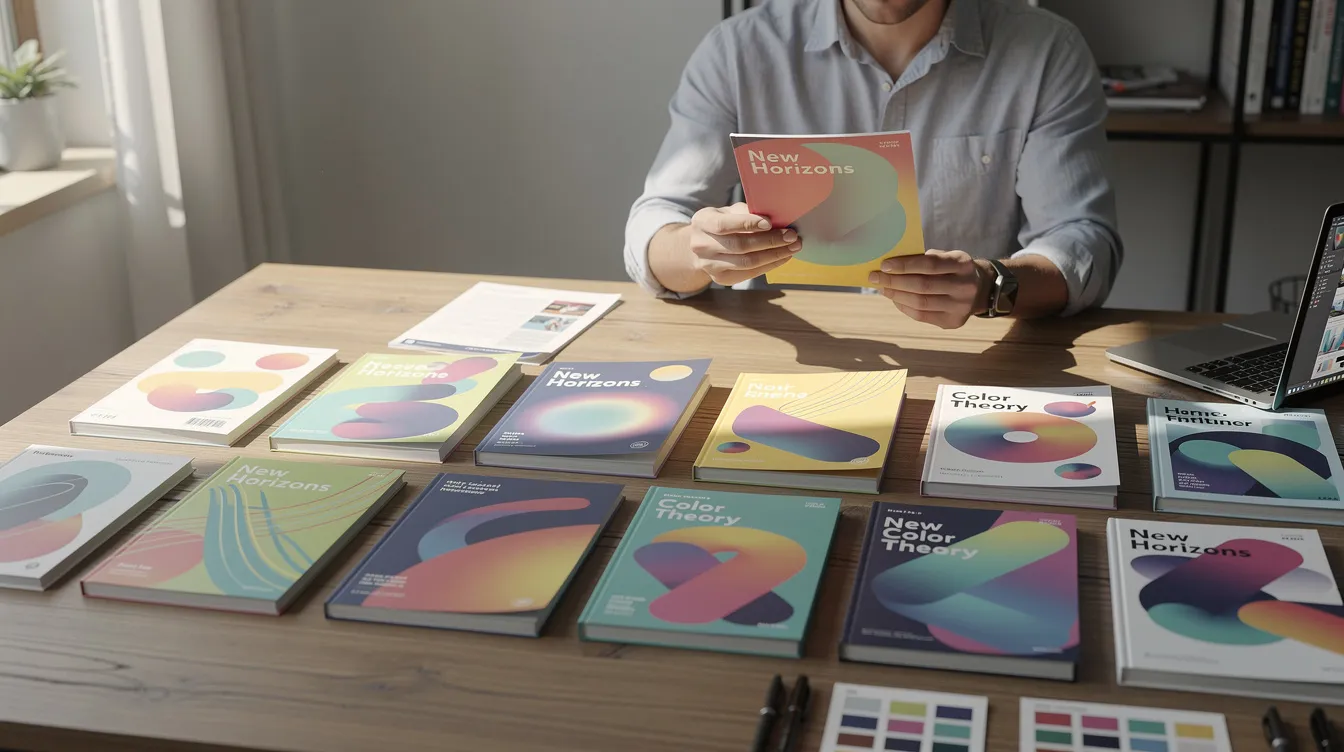
Key elements of cover design include:
- Front cover concept, typography, and colour palette
- Imagery, illustration, or photographic treatment
- Series branding and spine layout
- Back cover with blurb, author photo, endorsements, and barcode space
Masterly Publishing's typical cover process starts with a creative brief, moves through 2–3 initial concepts, then refinement rounds, and ends with final export to print-ready PDF and platform-specific JPEG/PNG.
For example, a 2024 business paperback needs strong typography and conservative colours. A 2025 full-color children's picture book demands bright illustration, full bleed, and precise colour matching. A 2026 academic hardcover dust jacket requires wraparound layout, jacket flaps, and institutional logos.
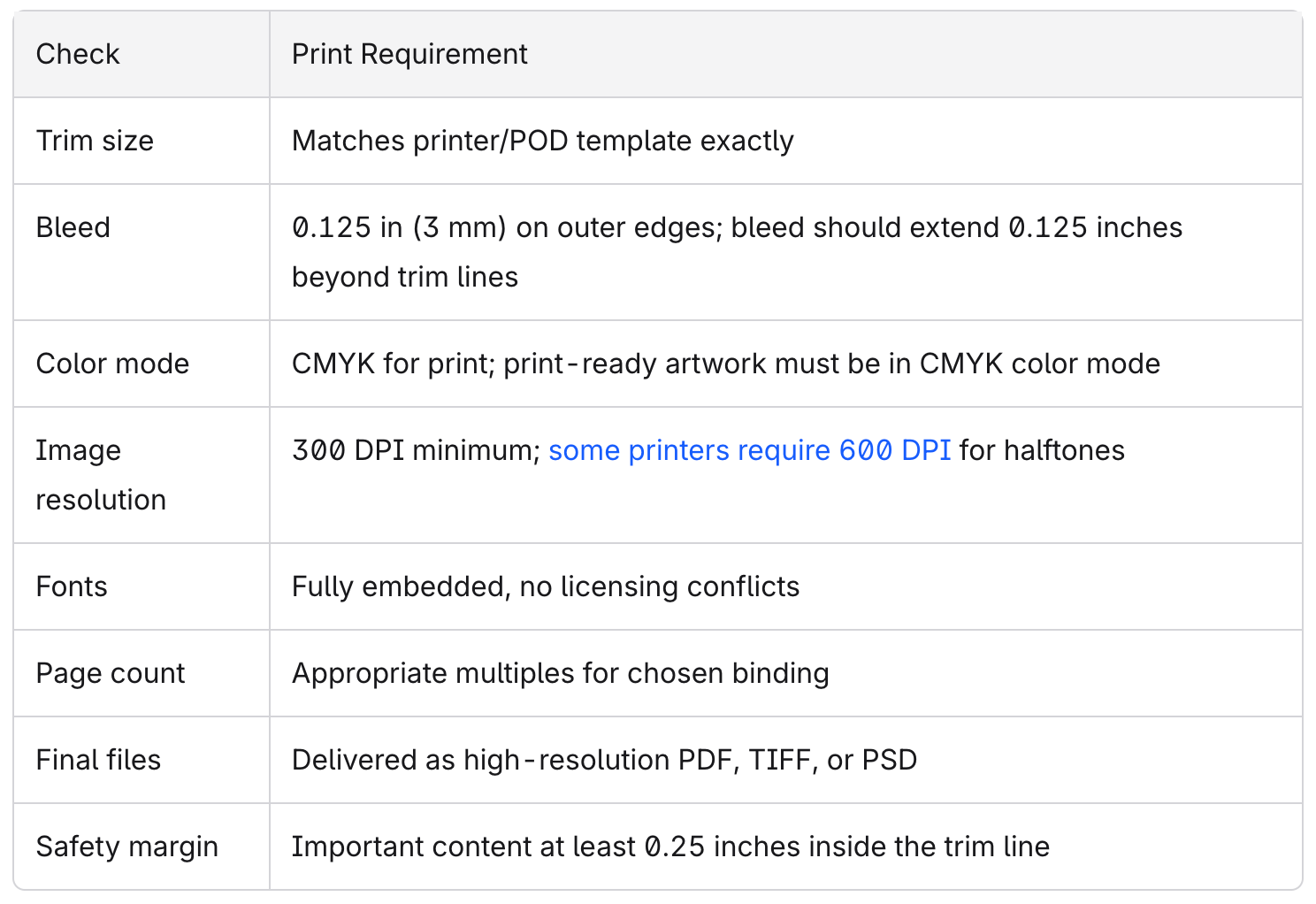
When working with illustrators, provide print specifications in your contract. Illustrators should deliver files in CMYK color mode because RGB color mode causes color shifts in print. Artwork must be 300 DPI at final print size-children's book illustrations require 300 DPI at final size as well. Standard bleed is 0.125 inches on all sides, and artwork must extend 0.125 inches beyond the trim line. Important content should stay at least 0.25 inches inside the trim line to avoid being cut.
Schedule a specifications review before illustration begins, and request progress checks in CMYK during the illustration process. Final files should be delivered as high-resolution PDF, TIFF, or PSD. Poor communication leads to illustration file issues, and illustrators often deliver files in unsuitable formats for printing when expectations are not set early. All artwork must be in CMYK color mode for printing. Fonts must be embedded, and spine width must be calculated from the final page count and paper weight.
Interior Design and Typesetting: How the Book Actually Reads
Interior design is more than formatting-it is typography, hierarchy, spacing, and reader experience for print and ebooks. Interior formatting ensures readability and meets professional industry standards. Professional production prevents formatting errors that impact reader perception.
Core tasks include:
- Choosing typefaces (serif for body, display for headings)
- Setting margins, gutters, and line spacing
- Defining heading levels and chapter-opener styling
- Handling images, tables, sidebars, and callouts
Text-centric books like a 60,000-word leadership title move from Word into software like InDesign with standard margins and consistent structure. Layout-heavy books-cookbooks with photos, workbooks with fill-in sections-require careful layers of images, text wraps, and special formatting. Designers working in Photoshop or InDesign manage these layers to create a polished reading experience.
Masterly Publishing delivers print-ready interior PDFs plus reflowable EPUB files, ensuring consistent styling across print, Kindle, Apple Books, and other platforms.
File Preparation, Technical Specs, and Print-Ready PDFs
Correctly prepared files are central to professional publishing production services. File problems caught late cause expensive reprints and missed launch dates. Production services assist authors by reducing technical errors in the final product.
Technical checks performed before sign-off:
For offset printing, files often need to follow PDF/X-1a standards with strict colour profiles. For print-on-demand through IngramSpark or KDP, templates are more rigid on spine width and gutter margins. Masterly Publishing maintains version control and a clear naming protocol so authors, organizations, and printers know which file is authoritative.
A common real-world fix: a book submitted with missing bleed showed white slivers on every trimmed edge. The designer re-exported the PDF with the required 0.125-inch bleed. In another case, a spine width miscalculation occurred when page count changed from 180 to 205 after corrections-production caught the errors pre-press and adjusted the cover file, preventing misaligned spine text.
Proofing, Word Proofing, and Quality Control Before Release
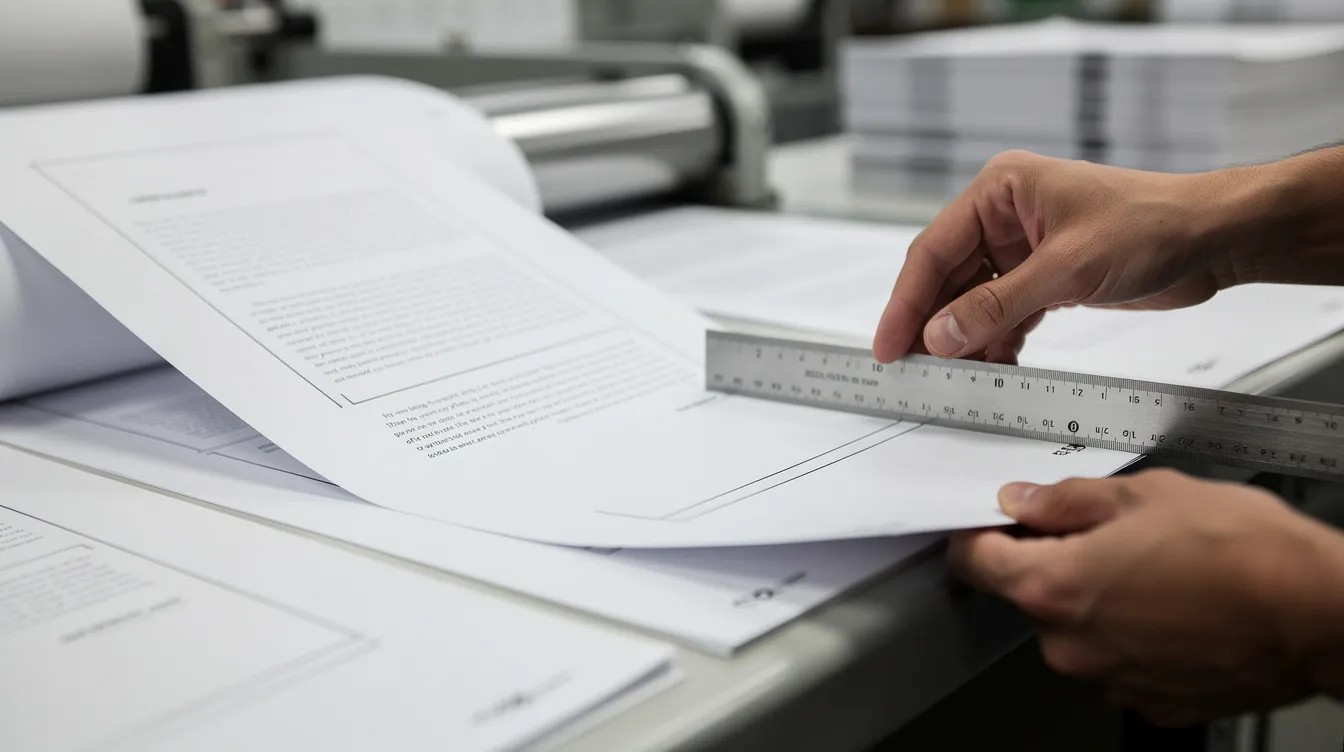
Proofing is the last major defense against common mistakes before the book goes public. Proofreading checks for typographical errors before publication, but production proofing goes further. Quality control ensures books meet traditional publishing standards.
Levels of proofing to note:
- Word proofing: final pass for spelling, punctuation, and consistency
- Layout proofing: checking for widows, orphans, bad page breaks, and image placement
- Print proof review: evaluating color, paper, binding, and cover wrap on a physical copy
Masterly Publishing's recommended sequence: digital PDF proof first, then a printed proof copy from the chosen printer or POD platform, with checklists for each stage. Proofing must also confirm front matter, copyright page data, acknowledgments, and index references. Assign final sign-off responsibility-author, organizational sponsor, or publisher-and document what was approved and when. This is not a detail to rest on.
Metadata, ISBNs, and Cataloging: Making the Book Discoverable
Metadata is the behind-the-scenes data that helps bookstores, libraries, and online platforms retrieve and categorize a book. Metadata optimization improves online discoverability of a book. According to industry research, books with complete metadata sell on average 75% more than those with incomplete data.
Key metadata elements:
- Title, subtitle, and series information
- Author and contributor roles
- BISAC or Thema subject codes and keywords
- Description, trim size, format, price, publication date
- Territory rights
ISBN and barcodes are necessary for retail distribution and cataloging. Each format-hardcover, paperback, EPUB, audiobook-requires a unique ISBN. Masterly Publishing helps clients secure and assign ISBNs and decide which imprint to publish under. Correct metadata prepared during production streamlines later distribution, library submissions, and marketing campaigns. Distribution reach is important for ensuring access to global channels.
Coordinating Printers, POD Platforms, and Printing Readiness
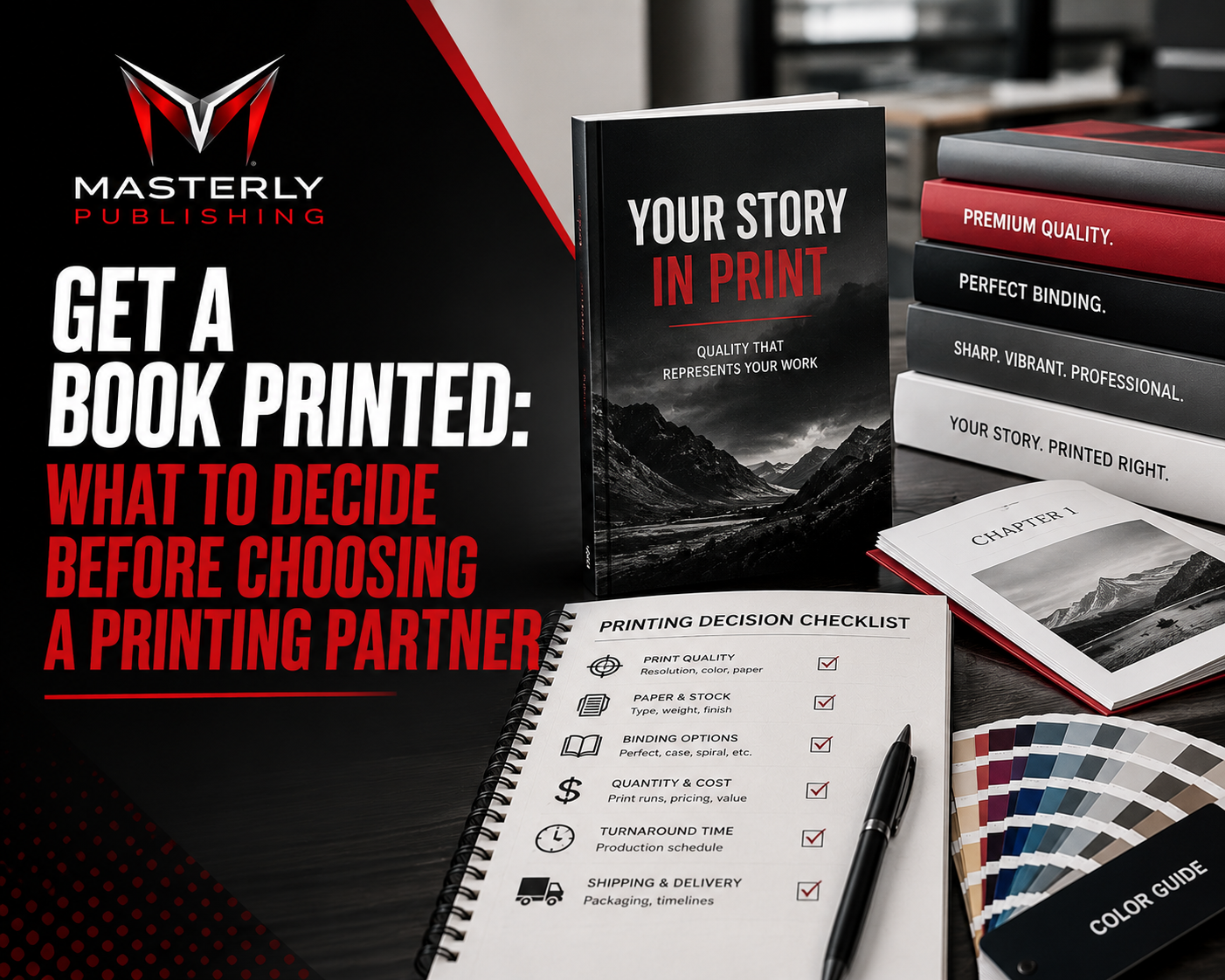
Printing readiness means having approved files, specs, and metadata aligned so printing can begin without last-minute changes. Common production paths include:
- Print-on-demand only (limited inventory risk, fast turnaround)
- Short-run digital print for events (50–500 copies)
- Offset print runs for conferences or retail launch (2,000+ copies)
\According to the Book Manufacturers' Institute, POD demand continues to rise alongside concerns about supply chain stability. Offset production typically takes 2–5 weeks for softcover and 4–6 weeks for hardcover domestically.
For example, planning a hardcover print run to arrive for a November 2026 industry summit means working backward: allow 4–6 weeks for offset production plus shipping, 2 weeks for proofing, 3–4 weeks for design and layout-manuscript must be locked by early summer. Masterly Publishing liaises with printers, confirms stock and binding options, manages upload requirements, and keeps the schedule on track. The company is not primarily a printer, but its production support prepares fully compliant files and coordinates with the client's chosen printers and platforms.
Digital Editions, Accessibility, and Format Coordination
Most professionally produced books now ship in multiple formats: print, reflowable ebook, and sometimes fixed-layout ebook or audiobook. Digital conversion includes creating formats like EPUB for e-readers, and each format has its own requirements.
Additional production considerations for ebooks:
- Responsive layout with semantic heading structure
- Hyperlinked table of contents and navigation
- Image optimization for screen display
- Compatibility testing with Kindle Previewer and Apple Books
Accessibility best practices matter: use alt text for key images, maintain sufficient contrast in graphics, and avoid text baked into images. Masterly Publishing keeps print and digital formats aligned on content and metadata, minimizing the gap between what readers see online and in physical copies. The same disciplined file-preparation capability used for printing readiness ensures smoother ebook approvals.
Timeline, Project Management, and How Masterly Production Support Works
Coordination-not just individual tasks-is what differentiates cohesive book production services from hiring freelancers ad hoc. Production services streamline the process to keep projects on schedule. Book production services save authors time by managing complex tasks.
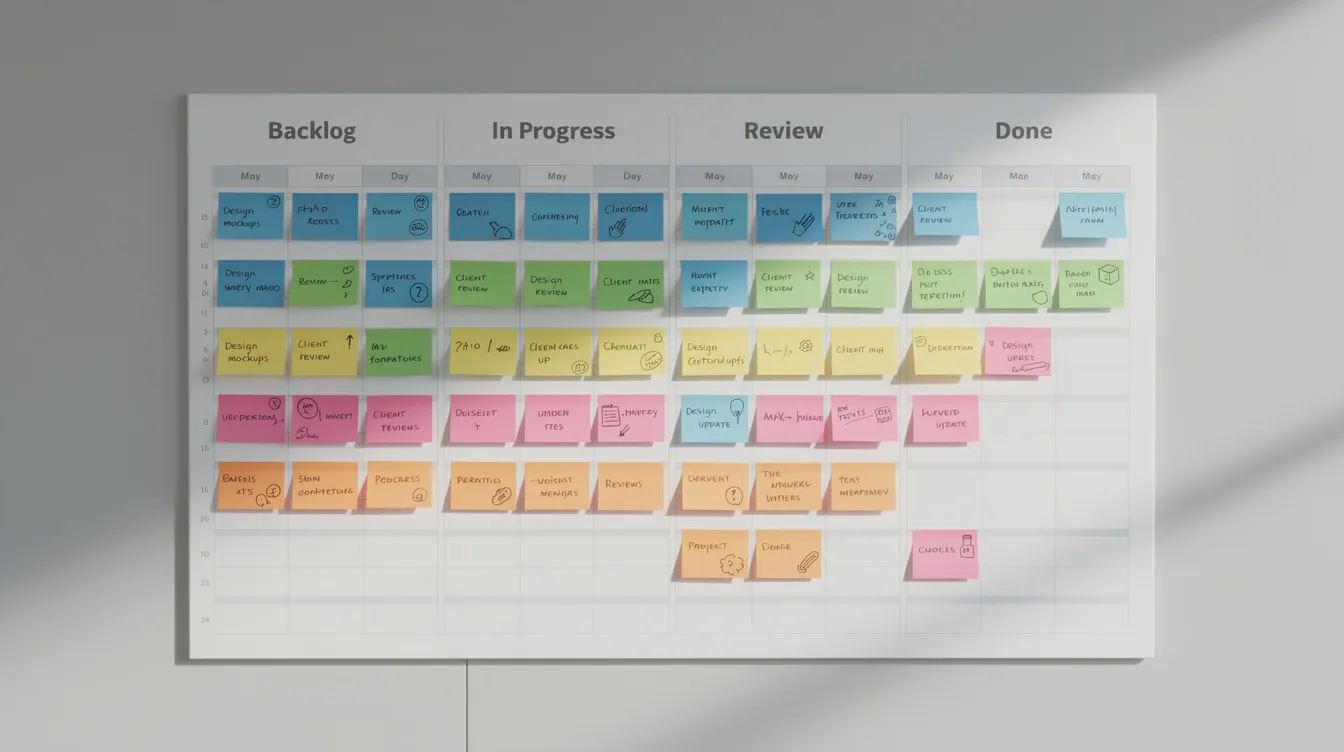
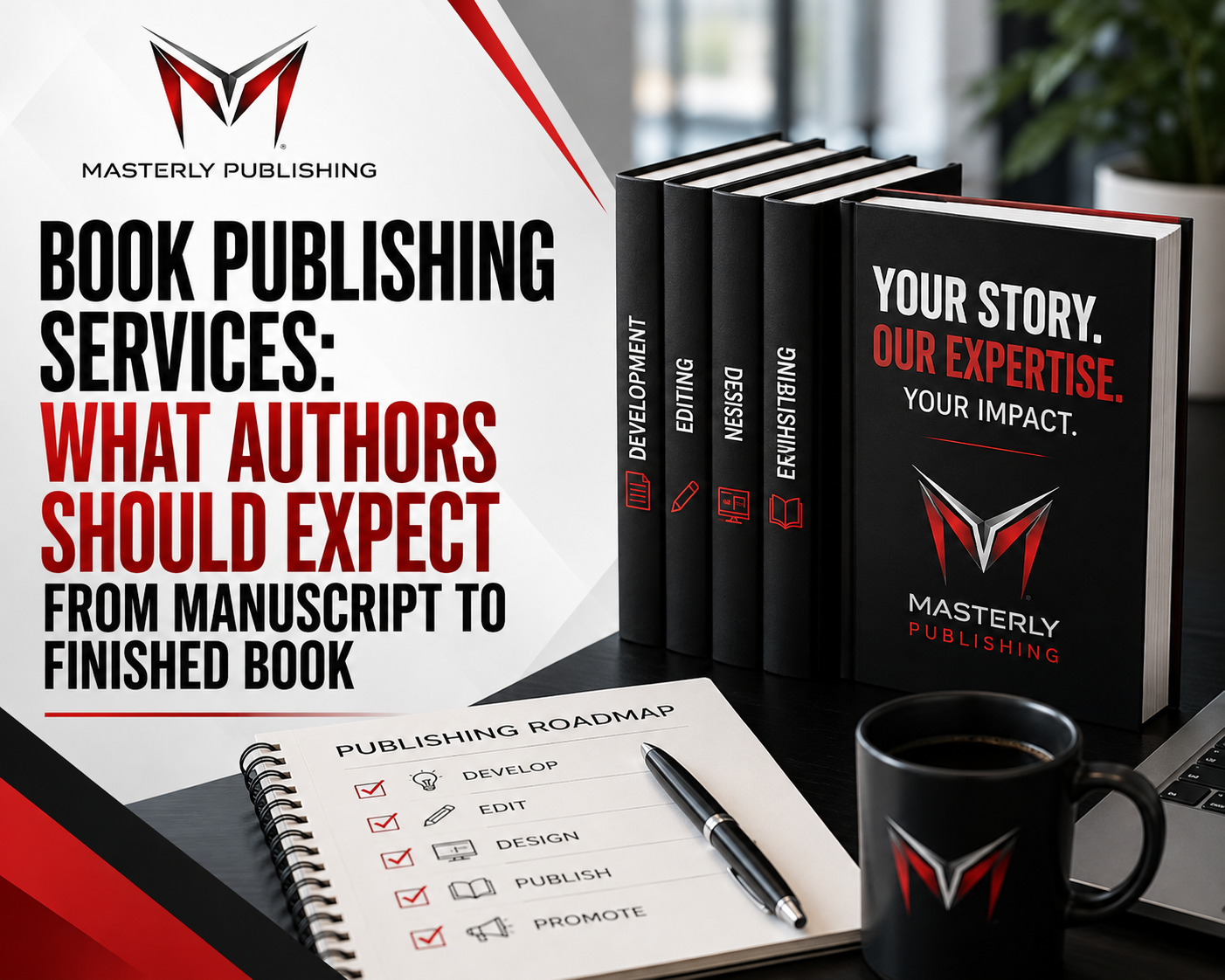
A typical 8–16 week production timeline from editing handoff through final files:
- Manuscript locked and editing handoff complete
- Design briefs and initial cover concepts
- Interior sample pages for approval
- Full layout and first digital proof
- Corrections, second proof, final approvals
- Print-ready files and upload to printers/platforms
- Distribution setup, metadata live, and launch
Masterly Publishing assigns a dedicated project lead to each team, with shared timelines, clear communication channels, and regular check-ins. When clients have fixed launch events, the schedule is built backward from that date with built-in buffers. The point is to reduce friction, catch issues early, and produce a finished product without surprises.
What to Expect When You Request a Book Production Consultation
The next step is a focused consultation call to discuss your manuscript, goals, and determine which services and timeline fit. Items typically covered on a first call:
- Current manuscript status and prior editing
- Intended audience and format preferences (hardcover, paperback, ebook)
- Target release date and budget range
- Any existing design assets or brand guidelines
Masterly Publishing often requests a sample chapter before providing a detailed proposal. After the consultation, clients receive a clear written package with recommended scope and next steps. You can expect a light, honest conversation-not a sales pitch. Talk to the team, answer questions openly, and save yourself months of trial and error.
Request a book production consultation with Masterly Publishing.
FAQs About Book Production Services
How are book production services different from hiring a self-publishing company? A self-publishing company often bundles services with distribution and may take a share of royalties. Masterly Publishing operates fee-for-service: you retain full rights and creative control. The focus is on production quality, not on locking you into a limited platform.
Can I use my own editor or designer and still get production support? Yes. Many clients bring their own specialists. Masterly Publishing coordinates the handoff between your team and manages file preparation, proofing, and release readiness.
When should I book production for a 2025 or 2026 release? Allow 8–16 weeks from a stable manuscript to final files. For a fall 2026 release, plan to have your manuscript ready by early summer at the latest.
Do you handle both print and ebook formats? Yes. Deliverables typically include print-ready PDFs, reflowable EPUB, and platform-specific cover files. Each format receives its own ISBN.
What if I only need help with file preparation and printing readiness? That is a fine and common request. Not every project requires full-service production. You can access specific stages without committing to a complete package.
Can corporate or nonprofit clients publish under their own imprint? Absolutely. Masterly Publishing helps organizations create and register their own imprint for branding on the copyright page and in catalog data.
Is Masterly Publishing a bakery? No. While the team does not bake bread, they approach schedules and processes with the same precision a baker brings to working with active dry yeast or instant yeast. Much like baking a loaf, book production has a first rise (the creative phase), a final rise (proofing and approvals), and no room for skipping steps. You would not eat dough made without flour, salt, or a warm environment-and you should not release a book without proper production. Unlike bakers, however, we cannot offer you a cup of anything or a taste of fresh bread. For the rest, we refer you to your local bakery.
Nuanced questions about your future project are best handled on a consultation call. Request a book production consultation with Masterly Publishing to get started.