

Get a Book Printed: What to Decide Before Choosing a Printing Partner
Getting a book printed involves moving your manuscript from a digital file to a physical product that readers can hold, flip through, and keep on a shelf. Whether you want to print my book for commercial sale, create a keepsake for family histories, or produce materials for your organization, the decisions you make before production starts will shape your cost, quality, and timeline. This guide walks you through every choice you need to lock in before selecting a book printing partner.
Start Here: How to Get a Book Printed in 7 Clear Steps
The book printing process includes multiple distinct stages, and understanding them upfront prevents costly surprises. Here is the path from manuscript to finished copies:
- Finalize your content. Editing and proofreading are essential steps before printing a manuscript. Lock in your final draft.
- Choose your format and trim size. Decide between hardcover, paperback, or a specialty format, and pick dimensions that match your category.
- Pick your binding options. Different binding types include perfect bound, hardcover, and saddle-stitch - each suited to different page counts and uses.
- Set quantity and timelines. Determine how many copies you need and when you need them. Book printing typically takes 3–5 business days for production, plus shipping time.
- Prep your print files. Typesetting establishes margins, font choices, chapter headings, and page numbers. Get your interior and cover files print-ready.
- Proof and approve. Review a digital or physical proof before committing to a full run.
- Confirm distribution and reprint plan. Know where and how you will sell or distribute your printed book.
A book printing partner is different from a generic online book printing portal. A partner like Masterly Publishing provides expert guidance at each step - reviewing your files, advising on specs, and helping you avoid mistakes that automated checkout pages cannot catch.
If you are a self publisher or represent an organization, you do not need to know all the technical jargon before starting. That is what a consultation is for.
Clarify Your Goal: Why You Want to Print Your Book
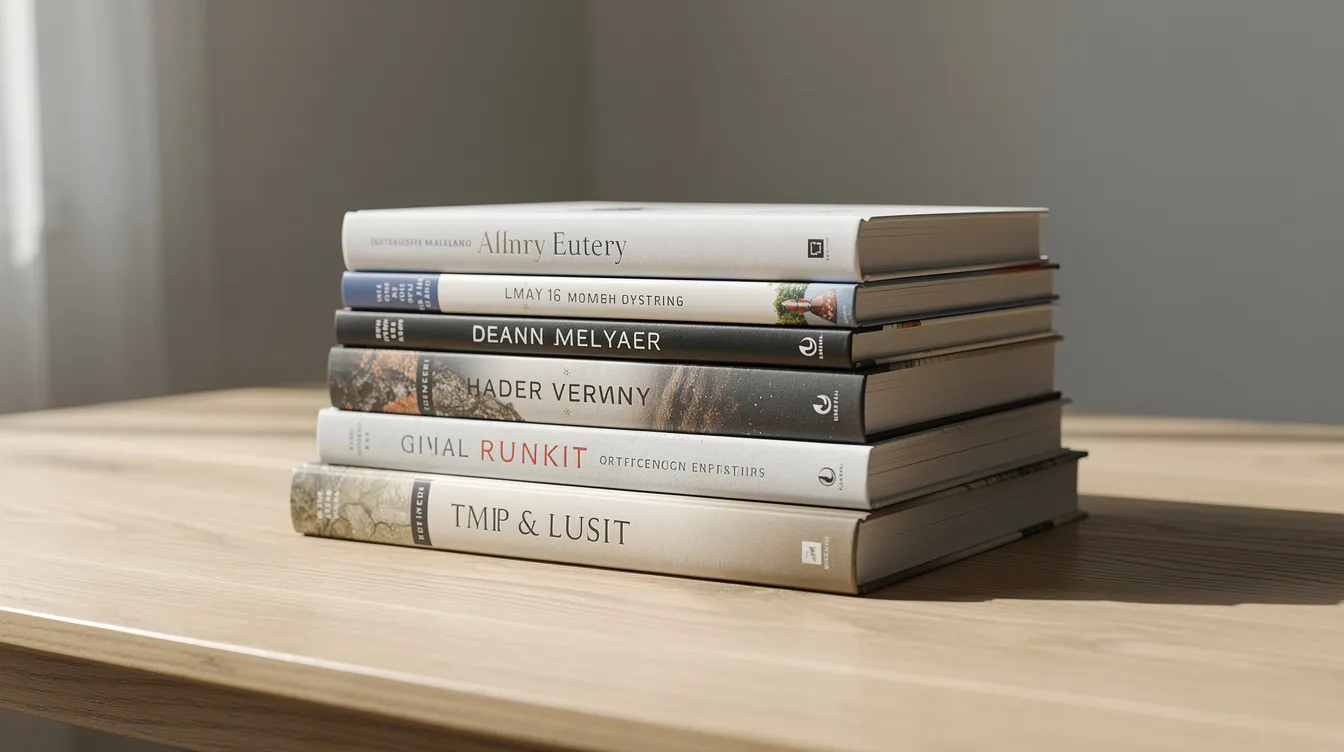
Every decision - format, quantity, price point - depends on the book's primary purpose and audience. Choosing a printing method depends on budget, timeline, and sales goals, so start by defining what success looks like for your custom book printing project.
Common goals include:
- Selling a self-published novel online through Amazon or similar platforms in 2026, where ISBNs and barcodes are necessary if selling books commercially.
- Printing a children's book (9×7 or 8.5×8.5 full-color hardcover) for school visits and direct sales.
- Creating a photo book printing project for a gallery show, using premium paper options and a layflat format.
- Producing a corporate training manual for an organizational rollout, prioritizing durability and a hassle free reading experience.
Ask yourself whether your book is a portfolio or keepsake, a commercial product for ongoing retail sale, or an organizational tool for personal use or internal distribution. A one-time short run for a family reunion book deserves a different approach than a title you plan to reprint for years.
Knowing whether you will need ongoing reprints also shapes which custom book printing services and pricing structure make sense for your own book.
Decide on Format: Hardcover, Paperback, or Specialty Books
Format is usually the first big choice once the manuscript is ready, and it strongly affects cost, durability, and reader perception. The final book format can include paperback, hardcover, or spiral binding - each with trade-offs.
- Hardcover for premium editions, company histories, and giftable children's books. Hardcover books provide a premium and durable finish, making them ideal for titles that book stands will display or that libraries will circulate for years. A 200-page 6×9 hardcover book printing project costs roughly $8.50 per copy through print on demand, compared to about $3.65 for the same specs in paperback.
- Paperback for most self publishing fiction and nonfiction where affordability matters. Paperback books are lightweight and cost-effective for distribution, and they suit first-time self publishers testing the market.
- Specialty formats like coil-bound workbooks, layflat photo books, and branded booklets for cookbook printing, graphic novels, comic books, or training materials.
When is a hardcover worth the investment? High-ticket coaching programs, commemorative editions, and titles positioned above a lower price paperback all benefit. Masterly Publishing can advise when to pair a hardcover special edition with a standard paperback to broaden cover options and pricing tiers for readers who want to buy your book online.
Choose a Trim Size That Matches Your Category
Trim size refers to the physical dimensions of a book - its final width by height in inches after printing and trimming. It affects reader expectations, printing costs, spine width, and how your book sits on a shelf alongside other books in its category.
Common category-appropriate trim sizes include compact trade paperbacks and memoirs around 5" x 8", most self-published nonfiction and business titles around 6" x 9", children's picture books and photo books around 8.5" x 8.5", and workbooks or manuals around 8.5" x 11".
Aligning your trim size with market norms helps bookstores and libraries recognize your category at a glance. A 6x9" business book stands where readers expect it; an oddly sized novel may confuse shelving.
Custom book sizes are available through various printing services for unique projects, but non-standard dimensions increase cost because paper must be cut differently, causing waste. Custom book sizes may also affect overall printing costs through spine width calculations and packaging complexity. Choose a custom option when branding demands it - not just because it seems different.
Understand Binding Options and How They Affect Your Reader
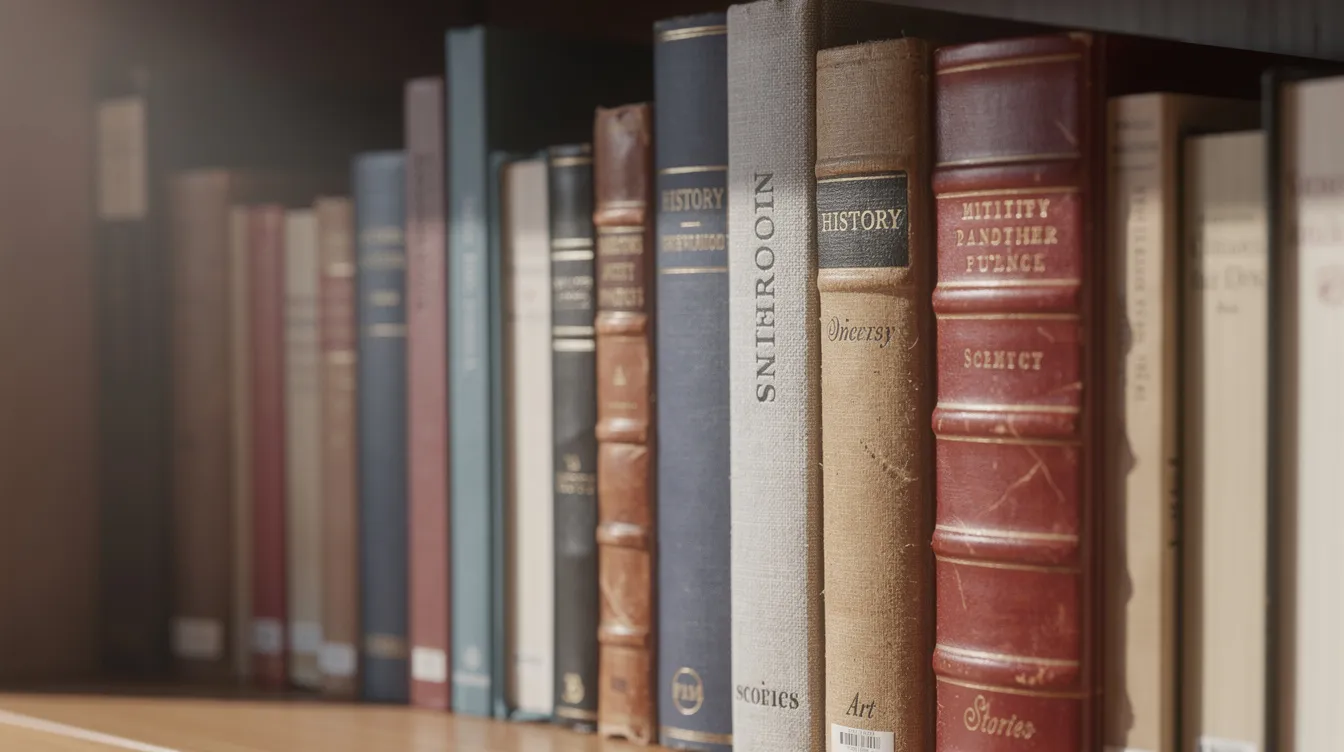
Binding options control how pages are held together, influencing durability, page count limits, and reading comfort. You can choose from various binding options for your book depending on its purpose and thickness.
- Perfect binding for most trade paperback book printing and self publishing projects over roughly 80 pages. Pages are glued into a flexible spine. Perfect binding is ideal for novels and retail books.
- Casebound (hardcover) with or without a dust jacket for premium, long-life books. Casebound binding services support features like ribbon markers and rounded corners. Hardcover books offer a premium and durable finish for publications that need to last.
- Spiral or wire-o binding for workbooks, cookbooks, and music books that must lay flat. Spiral binding allows pages to flip 360 and lay flat, which makes it practical for hands-on reference.
- Saddle stitch for slim booklets under roughly 60 pages, programs, or event guides. Saddle stitch binding is common for magazines and comic books. Saddle stitch booklets are typically the least expensive option in printing and binding.
A practical constraint to remember: a 400-page children's book is not suitable for saddle stitch, and a thin 30-page booklet cannot support perfect binding along its binding edge. Bring sample books you admire to a consultation so your printing partner can match the feel and durability you are looking for.
Plan Your Interior: Color, Paper, and Page Count
Interior choices drive both the quality and cost of your printed book, especially for photo book printing, cookbook printing, and children's titles. Paper stock can vary and is an important consideration in book printing - it shapes how images look, how pages feel, and how heavy the finished product is.
Color vs. black-and-white:
- Full color is essential for children's picture books, high-end photo collections, and branded marketing books. Expect full-color interior printing to cost two to three times more than black-and-white for the same page count. DocuCopies recommends 32/80# Text Gloss for vibrant color printing in image-heavy projects.
- Black-and-white plus occasional color inserts can control budget for long-form nonfiction while still providing visual impact where it counts.
Paper type and stocks:
- Uncoated or matte paper stocks work best for text-heavy self publishing projects and study guides, reducing glare and improving readability.
- Gloss or silk premium paper options suit image-heavy books where color saturation and sharp detail matter.
Page count, paper thickness, and binding type work together. Very heavy premium materials in a 400-page book increase spine width and shipping costs significantly. A book depends on these specs aligning - your cover design file cannot be finalized until you know the exact spine width, which comes from your final pages count and paper type choice.
Get Your Print Files Ready: Layout, Cover Design, and Proofing
Clean print files avoid delays, extra fees, and disappointing results. Whether you use an online book printing service or work directly with a partner, file errors are the most common reason for reprints and schedule slips.
What "print-ready files" mean:
- Interior PDF exported at the correct trim size, with embedded fonts and correct margins. Images should be high resolution (300 DPI minimum). Prepress technicians will flag problems, but catching them yourself saves time.
- Cover design set up with spine width based on final page count and paper choice, plus bleed (typically 0.125 on all sides) and safe zones. A professional cover design is crucial for attracting readers - it is the first thing a buyer sees. Include title hierarchy, author name, back cover copy, barcode placement, and alignment with genre expectations in 2026 marketplaces.
Proofing is non-negotiable. Proofing involves checking for formatting errors before mass printing:
- Start with a digital proof review for layout, typos, and image placement.
- Order a physical proof to check for layout issues before full production, especially for color-critical photo book printing or children's book projects where paper texture and color fidelity must be verified in hand.
Quantity, Budget, and Timelines: Run Size vs. Print-on-Demand
Deciding how many copies to print up front is one of the biggest financial choices for self publishers and organizations. Book printing prices depend on binding type and quantity, so understanding the trade-offs is critical before you start printing.
- Print-on-demand (POD): Print-on-demand services print a book only when it is ordered. Print-on-demand services allow printing as few as one copy - you can print a single copy of your book for personal use or test purposes. Print-on-demand services are often the most affordable for small runs, but print-on-demand generally incurs higher costs per book than offset printing. Customization options may be limited with low-cost print-on-demand services, including fewer paper options and cover types.
- Digital short-run printing (50–500 copies): Digital short-run printing is suitable for small batches of books, perfect for launches, test markets, and events. At 500 copies of a standard trade paperback, unit cost often drops to $2.50–$3.50.
- Offset or hybrid runs (1,000–5,000+ copies): Offset printing is typically used for larger quantities of books. Bulk printing reduces costs per copy significantly - at 1,000 copies, expect $1.80–$2.50 per unit; above 3,000 copies, costs can fall below $1.40. The choice between POD and offset printing depends on expected sales volume.
Successful authors often scale from print-on-demand to offset printing as demand increases, keeping risk low early and capturing better margins later.
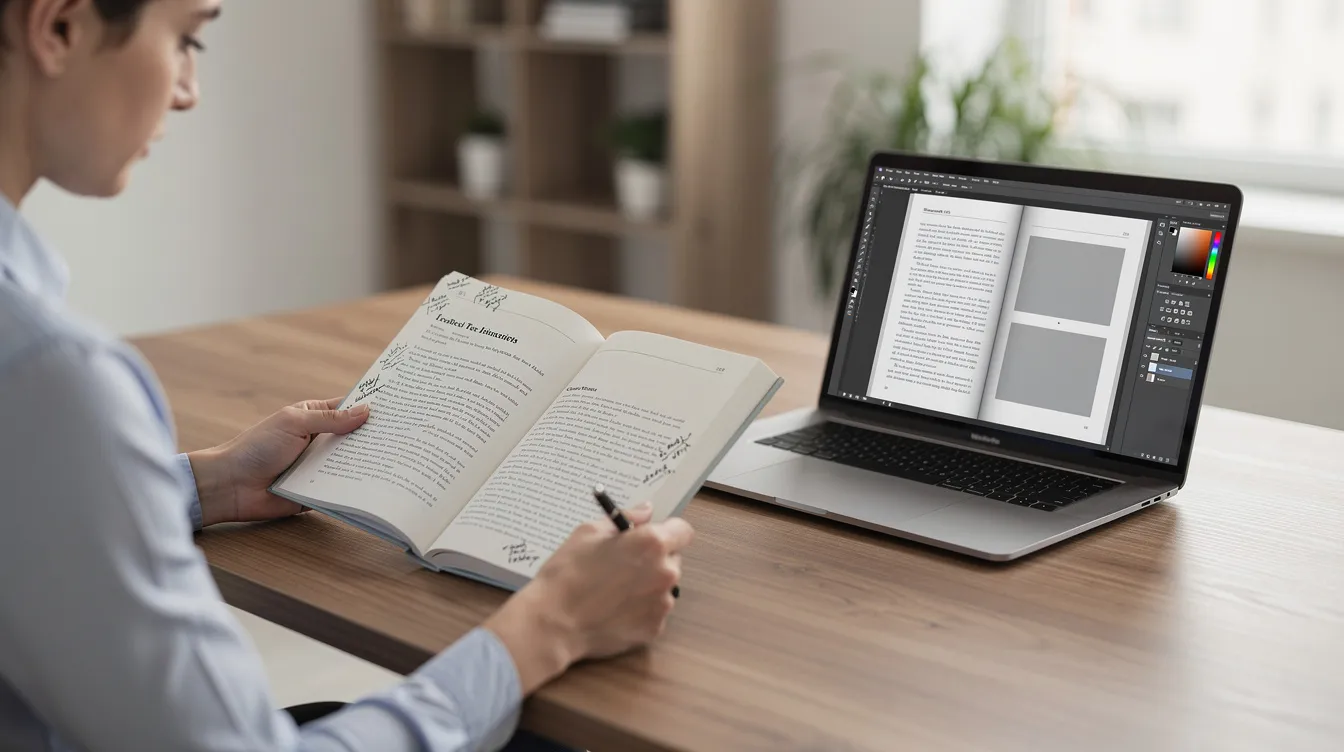
Timeline planning matters. Common lead times run two to four weeks for standard runs, longer for complex custom options like cloth hardcovers or specialty finishes. Work backward from launch dates - signings, conferences, holiday sales - to set realistic approval and production timelines. Build in buffer weeks so proofing delays do not derail your schedule.
Distribution and Sales: How Your Printing Choice Supports Self Publishing
When authors search for how to get a book printed, what they really mean is "get a book printed and into readers' hands." The publishing process does not end at production.
Distribution paths include:
- Direct sales at events, workshops, school visits, and corporate trainings, where you capture the full retail price minus production and shipping costs.
- Online retail via major platforms or direct-from-author websites, where you can sell a book online to a global audience. Competitive pricing matters here - wholesale discounts of 40–55% must be factored in.
- Bulk distribution to organizations, classrooms, or corporate locations, where a lower price per unit makes larger orders viable.
Your choices in trim size, binding, and unit cost directly affect retail pricing and author profit margins. Custom book printing allows for personalized covers and layouts that differentiate your title, but the cost floor set by production must leave room for profit at every sales channel.
Masterly Publishing can coordinate between production specs and the broader self publishing process so that self publishers do not overprint or under-price their high quality books.
Working With a Book Printing Partner Instead of Going It Alone
Masterly Publishing's consultative approach differs from a purely automated online book printing checkout page. When you work with a dedicated book printing partner, you get a team that understands how each spec choice ripples through cost, quality, and distribution - not just a shopping cart.
What authors and organizations should expect from a strong book printing partner:
- Guidance on matching specs (trim size, binding, paper) to goals and budget, including premium paper options and cost effective alternatives.
- Preflight review of print files to catch issues before production, using the latest technology to verify resolution, margins, and color profiles.
- Transparent quotes that show how changes in quantity or custom book printing options affect cost, so you can make informed trade-offs.
Professional book printing ensures high-quality materials and craftsmanship. Industry leaders set high bars - for example, BookBaby's printing is certified with Idealliance G7 Master Facility Qualification, 48 Hour Books focuses on premium materials and expert craftsmanship, and Pixartprinting uses state-of-the-art technology for high-quality prints. These benchmarks reflect what professional quality looks like across the industry.
Self publishers benefit from having one team oversee formatting, printing, and coordination with other publishing services, reducing handoffs and errors. Your book deserves that level of attention, whether it is a single book or a series of demand books across formats.
Checklist and Next Steps: Be Ready Before You Request a Quote
If you are ready to start printing in the next 30–90 days, having answers - or even rough guesses - to these questions makes any consultation faster and more precise.
Pre-consultation checklist:
- Manuscript status: final draft, or still editing?
- Intended audience and sales channels: retail, events, internal use?
- Preferred format: hardcover, paperback, photo book, children's book, workbook?
- Approximate trim size and binding options from the sections above
- Estimated page count and color vs. black-and-white interior
- Target quantity for first run (even one copy counts) and ideal delivery date
- Cover design status: complete, in progress, or not started?
- ISBN and barcode: already purchased, or need guidance?
You do not need every answer finalized. The point is to create a starting framework so your book printing partner can give you an accurate, customization-rich quote instead of a generic estimate.

Ready to print your book? Request a book-printing consultation with Masterly Publishing to review your project details, get a transparent quote, and map out your timeline. Whether you need a hardcover edition with a professional finish or a cost-effective paperback, our team is here to help you make the best choices for your project. Contact us today to start the journey from manuscript to masterpiece.
Visit us at Masterly Publishing or call (888) 209-4055 to speak with an expert and get started.