

ISBN Services: What Authors Need to Understand Before Publishing and Distribution
Every book published today carries a small string of digits that determines where it appears in catalogs, how retailers stock it, and whether libraries can order it. That string is an ISBN, and the decisions you make around it affect your title long after the writing is finished. This article walks through what ISBN services actually cover, why ownership matters, how metadata quality shapes discoverability, and what to plan before you publish in any format.
ISBN services in a nutshell: what authors must decide first
ISBN services manage and issue International Standard Book Numbers, but they also encompass the registration, assignment, and ongoing management of book metadata and imprint details across print books, ebooks, and audiobook editions. Think of it as the administrative backbone that connects your book to the rest of the publishing industry.
Before you register a single number, three decisions shape everything that follows:
- Who will own your ISBNs? You can purchase your own ISBN through an official source, or accept a free one from a platform like Amazon KDP. Ownership determines the publisher of record.
- Which formats will you publish? Paperback, hardcover, ebook, audiobook, and special editions each carry implications for how many identifiers you need.
- How wide is your distribution? Selling only through one platform is different from reaching multiple book formats across major retailers, libraries, online stores, and your own website.
These choices determine whether most bookstores and libraries can stock your title, how your book is discovered by new readers, and how professional your publishing imprint appears to booksellers and bulk buyers.
Masterly Publishing provides consultative ISBN services before any distribution is set up. If you are preparing to publish, request a publishing consultation before assigning ISBNs and distribution metadata.
What an ISBN is – and why it matters for book discovery
An ISBN is a unique identifier for books, functioning like a passport that follows a title through every catalog, warehouse, and search engine in the world. Without it, a book is essentially invisible to the systems that power modern publishing.
The essential information linked to a book's ISBN includes:
- Title and subtitle
- Author name and contributor roles
- Publishing imprint and publisher details
- Format (paperback, hardcover, epub, pdf, audiobook)
- Edition and publication date
- Subject categories and language
The ISBN standard has evolved over time. The 10-digit ISBN format was first published as ISO 2108 in 1970. The ISBN-10 format uses a check digit based on modulo 11 for validation. An ISBN-10 can be converted to an ISBN-13 by prepending "978" and recalculating the check digit. Since January 1, 2007, all new ISBNs have been 13 digits, and that is the only format authors work with today.
ISBNs connect books with their metadata in global databases such as Books in Print, WorldCat, and retailer catalogs. These databases power search results, "related titles" recommendations, and the inventory systems that bookstores and libraries rely on. ISBNs also link to sales tracking and inventory systems, giving the publishing industry a shared language for identifying exactly which version of a book is being ordered, shipped, or sold.
ISBNs are essential for libraries and bookstores to find books. Without a properly registered number, it becomes difficult for retailers or librarians to order or list the book, which limits how it gets discovered by more readers across the world.
The United States alone had 3.9 million registered ISBNs in 2020, which gives a sense of the scale at which this system operates globally.
ISBN agencies and how ISBNs are issued
ISBNs are managed by the International ISBN Agency, headquartered in the UK, which sets the isbn standard and accredits national or regional agencies. Over 160 isbn agency offices operate worldwide, each serving publishers based in a specific geographic territory.
Concrete examples:
- Bowker is the official isbn agency for the United States and its territories
- Thorpe-Bowker serves Australia
- Nielsen has historically handled the UK and Ireland
Authors and indie publishers must obtain ISBNs from the correct agency for the country where their publishing business is based, not where the book is printed or eventually sold. ISBNs are issued by country-specific registration agencies, and using the wrong one creates cataloging problems downstream.
Agencies allocate ISBNs in blocks: a single ISBN, 10, 100, or 1,000. Larger blocks bring the per-unit cost down significantly. Each ISBN from the block is then assigned to a specific format and edition as the author's catalog grows.
Masterly Publishing does not replace the official isbn agency. Instead, Masterly helps authors understand which agency to use, when to purchase blocks, and how to navigate the registration process to avoid misregistration errors.

Ownership: free platform ISBN vs. owning your own
This is the most misunderstood part of ISBN services for self publishers and indie publishers alike.
Platforms like Amazon KDP and some print-on-demand services offer free ISBNs. The trade-off is significant: free ISBNs are often registered to the issuing platform instead of the author's own business. When a platform assigns the ISBN, the platform or its imprint appears as the publisher of record. On KDP, for example, this typically shows as "Independently Published" rather than your custom imprint name.
Purchasing your own ISBN from the official isbn agency provides greater control over your publishing records. You choose your own publishing imprint. You can move between distributors without losing your identity. Your brand stays consistent across print books, digital books, ebooks, and audiobook editions.
ISBNs must be purchased to publish under your own imprint. For authors, organizations, and business owners planning multiple book titles, buying a block of ISBNs is almost always the smarter investment. A single ISBN from Bowker currently runs around $125, while a pack of ten costs approximately $295, bringing the unit price down considerably.
If you are creating more than one book or planning multiple formats, buying your own block is worth serious consideration.
Before making this decision, request a consultation so the choice aligns with your broader publishing rights and distribution goals.
Format-specific ISBNs: print, ebook, audio, and special editions
Each distinct product that readers can purchase needs its own ISBN for clean sales tracking and cataloging. Each book format requires a unique ISBN, and this applies across every variation you release.
Common cases that require a separate ISBN:
- Paperback vs. hardcover (or hardback)
- Different trim sizes of the same print edition
- Ebook editions distributed across platforms
- Audiobook formats (unabridged vs. abridged)
- Special or limited editions with new cover designs or bonus material
ISBNs help identify specific book editions and formats, so that a customer, retailer, or librarian can tell exactly which version they are ordering. Major changes to a book, such as a new edition year, new subtitle, or added chapters, typically require a new ISBN. Minor typo corrections generally do not.
Some platforms treat ebooks differently. Amazon assigns an internal ASIN rather than requiring an ISBN for ebook listings. But for wide ebook distribution, library placement, and consistent cataloging across Apple Books, Google Play, Kobo, and other online stores, a proper ebook ISBN is strongly recommended.
Masterly Publishing's ISBN services help map out exactly how many ISBNs an author will need based on their chosen formats, editions, and future plans.
Book metadata: the essential information that travels with your ISBN
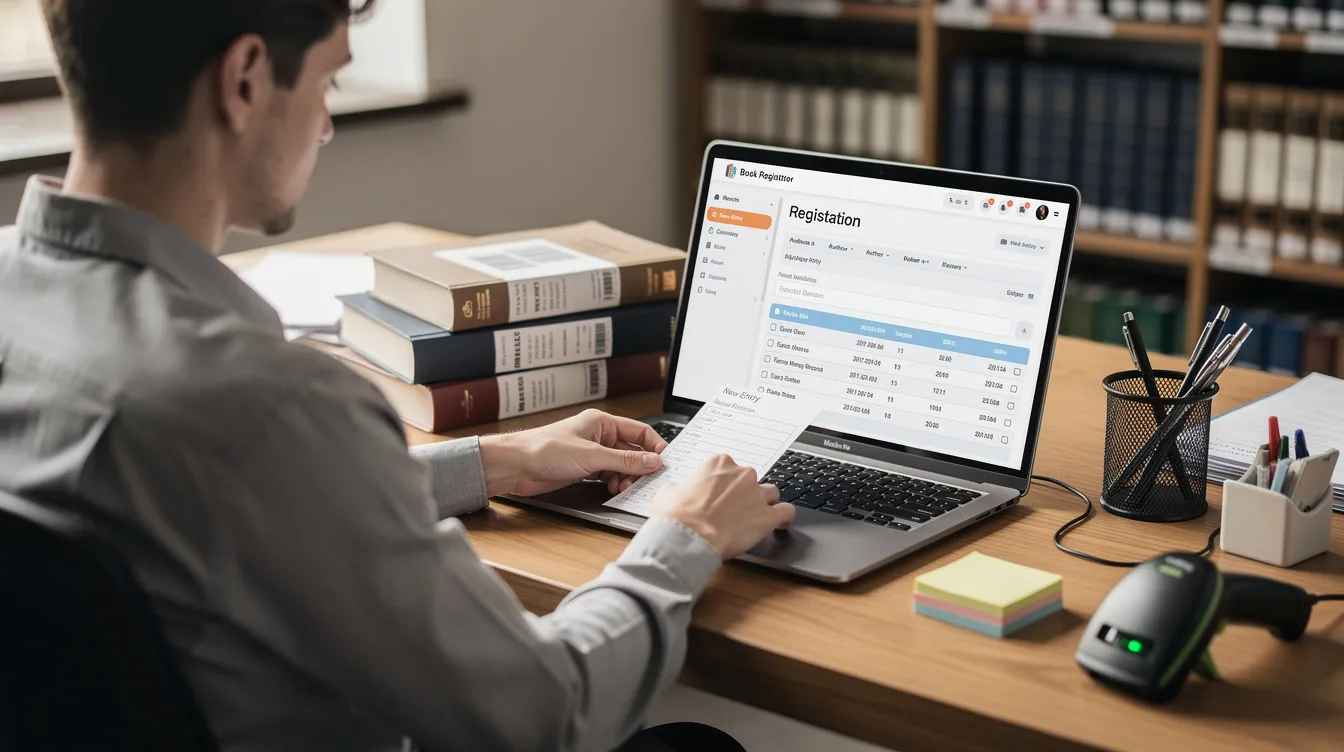
An ISBN is only as powerful as the metadata attached to it. Metadata registration is essential when assigning an ISBN, because this is the data that retailers, libraries, and search engines use to help a customer understand what the book is and whether it matches their search.
Core metadata fields to handle carefully:
- Title, subtitle, and series information
- Author name and contributor roles
- BISAC or Thema subject classification codes
- Keywords and description (blurb)
- Publication date, language, and format
- Publisher and imprint name
Clean, consistent metadata across distributors makes a book easier to find on Amazon, Apple Books, Barnes & Noble, Kobo, and in library and academic databases. Thoughtful keyword and category choices can significantly improve how a book is discovered by its target audience without gaming the system. These are among the most important tools an author has for reaching new readers.
Masterly's publishing services include guiding authors on metadata strategy so that ISBN registration, distributor dashboards, and the author's own website all match, creating a seamless reading experience for anyone searching for the title.
Publishing imprint, business identity, and legal considerations
An imprint is the publisher name tied to the ISBN and visible to retailers and readers on the cover, in catalogs, and in every listing online. Typical options for indie publishers include using a personal name, creating a small press brand, or publishing under an organization's or company's name.
When an author uses a platform's free ISBN, the imprint often appears as the platform itself. This can limit how the title is perceived by bookstores, libraries, and bulk buyers who associate certain imprint names with professional publishing.
Authors intending to build a catalog, attract media coverage, or sell to institutions often benefit from a consistent publishing imprint that they control. This is especially helpful for business owners and organizations using books published as marketing or thought-leadership tools.
ISBN services should not be mistaken for legal, tax, or trademark advice. Masterly encourages authors to discuss business structure and IP issues with qualified professionals while coordinating ISBN and imprint choices with their publishing team.
ISBNs and distribution strategy: from retailers to your own website
ISBN decisions tie directly to ebook distribution, print-on-demand fulfillment, and direct sales channels. ISBNs help track sales and inventory in publishing, connecting every purchase back to the correct format and edition regardless of where the sale happens.
Major ebook retailers, print-on-demand printers, wholesalers, and library vendors each use ISBNs differently, but they all point back to the same core metadata. Having your own ISBNs simplifies going "wide" across multiple platforms and also supports selling directly to readers from your own website, at events, conferences, or through bulk corporate orders.
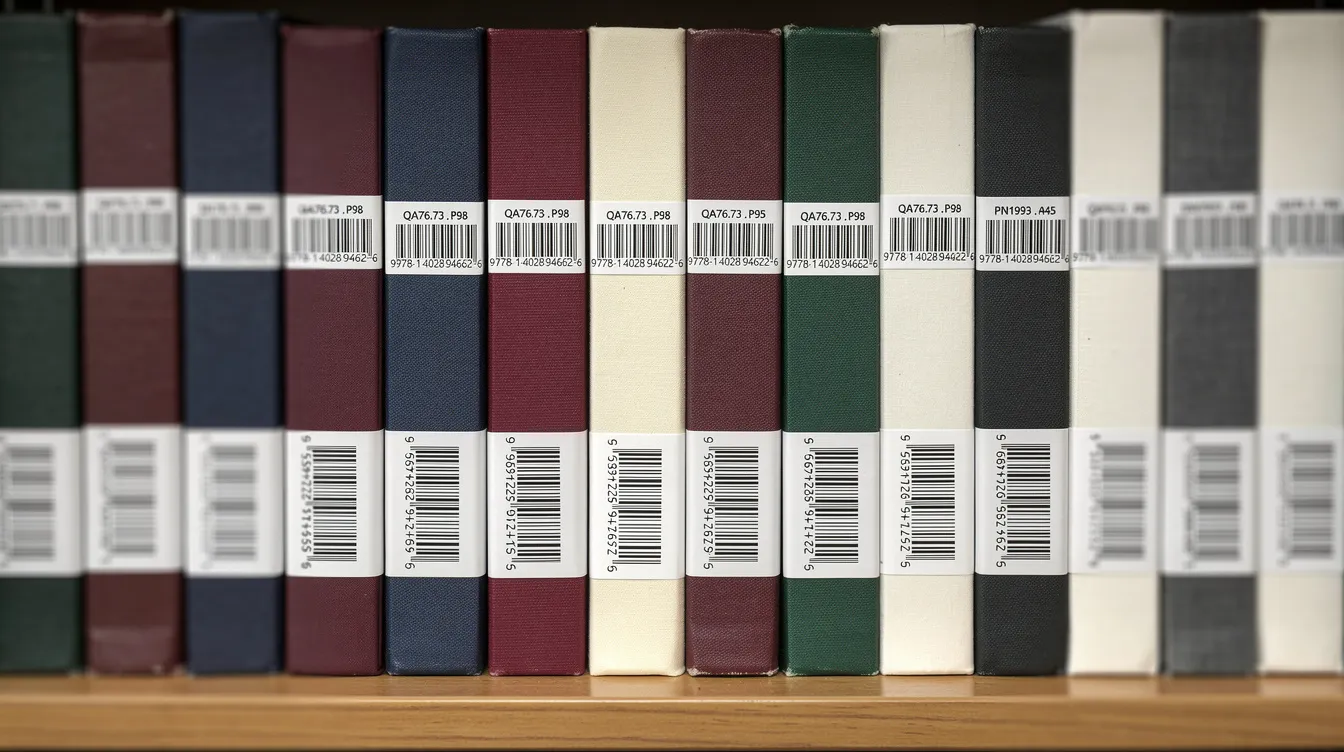
ISBNs and barcodes are essential for many brick-and-mortar stores, distributors, and libraries to accept print books into their systems. A barcode is the scannable representation of the ISBN, and most bookstores require one on the back cover of every title they stock.
Masterly's ISBN and publishing services are designed to be planned alongside a broader distribution strategy, not bolted on at the last minute.
Common ISBN and metadata mistakes that hurt discoverability
Avoid these frequent errors that can undermine even well-written book titles:
- Reusing the same ISBN across multiple formats (e.g., giving the paperback and ebook the same isbn)
- Inconsistent author name spellings across platforms and registration records
- Mismatched imprint names between ISBN registration and distributor dashboards
- Different or incorrect publication dates across retailers
- Vague subject categories or missing keywords that leave the book invisible among millions of titles
The practical consequences are real: duplicate or conflicting listings, split reviews when editions are treated as separate books, ordering confusion for booksellers, and difficulty getting the book discovered in search results. ISBNs must match the publisher's registered details across every channel, or the catalog record fragments.
Schedule an ISBN and metadata review before the first print run or before turning on full distribution.
How Masterly Publishing approaches ISBN services
Masterly Publishing provides strategic ISBN guidance rather than simply selling numbers or templates. ISBN services allow authors to manage multiple ISBNs efficiently when the process is set up correctly from the start.
The typical consultation flow:
- Discuss publishing goals and intended audience
- Map formats and editions across print, ebook, epub, pdf, and audiobook
- Determine ISBN ownership strategy and imprint details
- Plan metadata, keywords, and subject classification
- Coordinate with editing, cover design, and distribution timelines
Masterly works with authors, nonprofits, and business owners launching thought-leadership titles, training manuals, and client-facing books, tailoring ISBN and distribution decisions to those specific needs. The goal is creating a publishing foundation that supports long-term discoverability and sales.
Ready to get your ISBN and distribution strategy right before you publish? Request a publishing consultation by calling (888) 209-4055 or visiting masterlypublishing.com before purchasing or assigning any ISBNs.

FAQs about ISBN services and book publishing
Do I need an ISBN for every ebook format? You need one ISBN for the digital edition if you are distributing as a single ebook product. However, if you release substantially different digital versions, each may require its own identifier. For wide ebook distribution across major retailers and libraries, having a unique isbn for your ebook is strongly recommended.
Can I change my book's price after ISBN registration? Yes. Pricing is not tied to the ISBN itself. You can adjust pricing on any distributor dashboard without needing a new number. The ISBN identifies the product, not its price.
Will owning my ISBN help my book get into libraries? Libraries and their acquisition systems rely on ISBNs tied to legitimate publisher imprints. Owning your ISBN and registering it under your own imprint makes the process significantly smoother than using a platform-issued identifier.
What if I've already used a free ISBN on KDP? You cannot transfer that ISBN to another platform. If you want to distribute more widely or use your own imprint, you will need to purchase a new ISBN for that format and register it properly.
Can I use ISBNs for workbooks, guides, or business materials sold at events or through my organization's website? Yes. Any book-like publication intended for sale or distribution benefits from an ISBN. It enables barcode generation, inventory tracking, and catalog inclusion even if you are selling primarily through direct channels.
What is the difference between an ISBN and a barcode? An ISBN is the number itself, the unique identifier. A barcode is the machine-readable graphic printed on the back cover that encodes the ISBN for scanning at retail. Print books sold in bookstores need both.
ISBN services are part of a broader publishing plan. If you have questions about any of these topics, contact Masterly Publishing for a consultation.