

Developmental Editing Services: Strengthening Structure Before Line Editing Begins
Developmental editing services focus on the big picture of your manuscript: story structure, argument flow, chapter organization, character development, and audience alignment. This is structural editing at the macro level, not sentence-level polish or grammar correction. If your entire manuscript feels like it should work but doesn't, a developmental editor can tell you why.
This page is for authors, experts, and organizations sitting on a complete draft of a first book, first novel, or flagship report that isn't quite landing. Maybe the middle drags. Maybe beta readers give contradictory feedback. Maybe you sense the story elements are there but the chapters feel out of order. A developmental edit focuses on plot, character, and structure, giving you the roadmap to fix what self-editing alone can't reveal.
Masterly Publishing specializes in developmental editing services that address manuscript structure editing, chapter organization, and audience clarity. We are not a generic editing marketplace or a publishing house. Here is where developmental editing fits in the publishing process:
- After you have a completed draft and at least one self-edit pass
- Before line editing, copy editing, or preparing your manuscript for self publishing or traditional publishing submission
- When you need an editor who provides a bird's eye view of your work rather than surface-level corrections
Developmental Editing vs. Line Editing and Copyediting
Understanding the difference between editing types saves you money and time. Here is what each stage covers:
- Developmental editing focuses on big-picture elements like plot and structure. A developmental editor evaluates your entire book for narrative arc, argument clarity, pacing, character arc, and whether your chapters serve the target market. A developmental edit might recommend cutting an entire chapter, merging two sections, or resequencing your opening.
- Line editing polishes sentences for clarity and impact. A line editor works at the paragraph and sentence level, refining voice, rhythm, and word choice. This stage often uses track changes in Word or Google Docs to mark specific details. Line editing typically costs $0.01 to $0.04 per word.
- Copyediting focuses on grammar, punctuation, and consistency issues. A copy editor catches verb tense errors, style inconsistencies, and factual discrepancies. Copyediting costs range from $0.01 to $0.03 per word.
- Proofreading is the final check before publication for typos and formatting. It happens last.
A developmental edit typically precedes copyediting and proofreading. Jumping straight to a line edit without fixing structural problems locks in a weak foundation and wastes your editing budget.
What a Developmental Editor Actually Delivers
A developmental editor provides actionable feedback and suggestions for revisions, not vague encouragement. Here is what you can expect from a full edit:
- A detailed editorial letter, typically 8–20 pages, summarizing your manuscript's strengths and weaknesses, identifying priority issues, and offering concrete recommendations. This is not a much shorter editorial letter with general impressions; it is a deep dive into what is working and what needs to change.
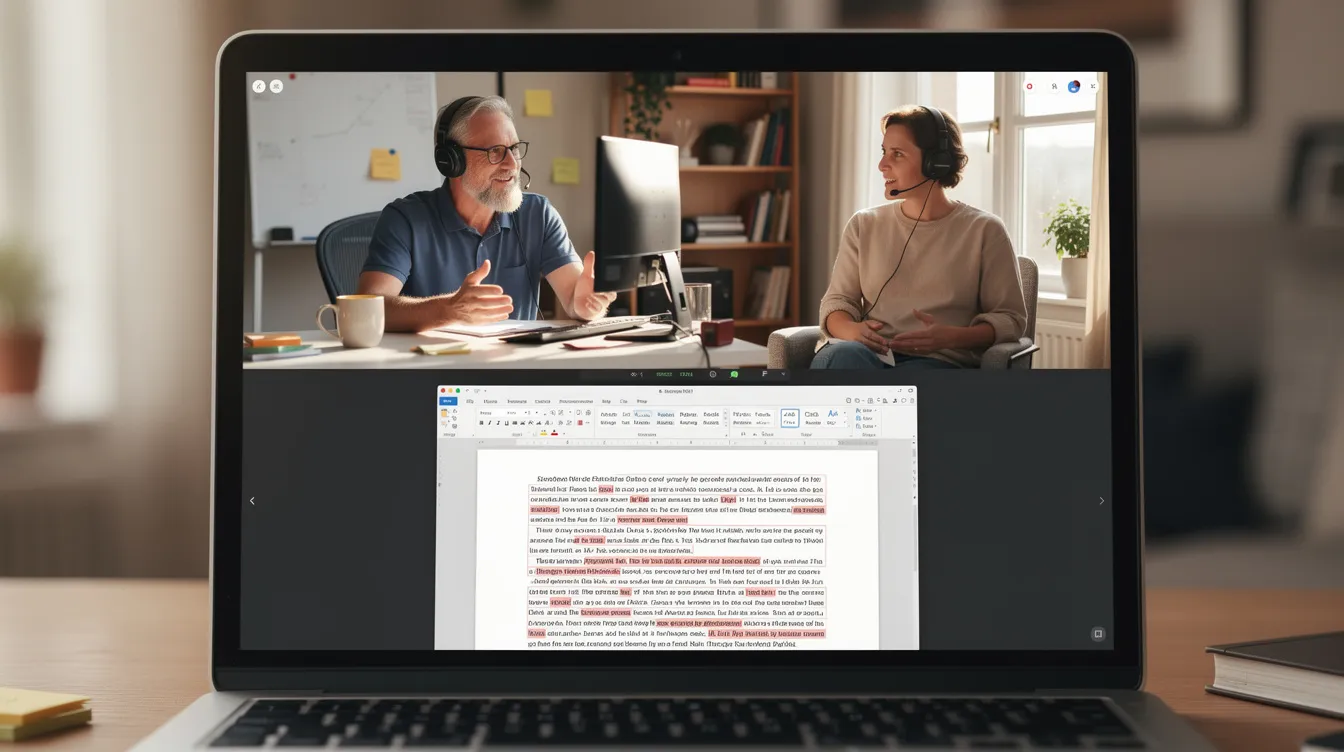
- Margin comments throughout the annotated manuscript, highlighting specific scenes or sections where pacing stalls, character motivation is unclear, or the argument loses focus. These detailed notes point to exact locations rather than leaving you to guess.
- A revision roadmap that prioritizes what to fix first.
For novels and memoir: the focus covers plot, character arcs, stakes, point of view, pacing, worldbuilding, and theme. A comprehensive developmental edit addresses story structure and theme consistency across the entire manuscript.
For non fiction and expert books: the editor evaluates thesis clarity, logical chapter progression, reader promise, use of evidence, and calls to action. Developmental editing includes structural evaluation and content development.
An editorial assessment provides brief feedback on a manuscript's strengths but typically delivers a shorter editorial letter without in-text markup. A manuscript critique sits somewhere between. Masterly Publishing's developmental editing services focus on prioritized revision steps and clear next-draft goals, such as "merge Chapters 3 and 4" or "cut this subplot entirely."

Is Your Manuscript Ready for Developmental Editing?
Not everyone with a draft needs developmental editing right now. Here are signs your manuscript is ready:
- You have completed a full draft (beginning, middle, and end) of your first novel, first book, or organizational report
- You have done at least one self-edit pass focused on obvious issues-self-edit before working with an editor to save money
- Beta readers are confused, bored in parts, or give contradictory feedback, and you cannot diagnose the problem yourself
- Other writers or literary agents have commented that "something isn't working" but cannot pinpoint what
Here are signs it may be premature:
- The manuscript is incomplete or missing major sections
- You already know you are planning to rewrite the project from scratch at an earlier stage
- You only want a quick proofread before printing
This applies to individual writers and organizations alike. A think tank with a disorganized 60-page white paper benefits from developmental editing just as much as a novelist wrestling with a messy middle. Professional editing is essential for self-publishing success, and it strengthens submissions to literary agents and acquiring editors at every publishing house.
Let your draft rest for two to four weeks before engaging an editor. The distance helps you approach editorial feedback with fresh eyes.
Our Developmental Editing Process at Masterly Publishing
Here is how our developmental editing services work, step by step:
Step 1 – Discovery consultation
- Brief call or written questionnaire to understand your goals, audience, publishing path (traditional publishing, university press, or self publishing), and timeline
- Request sample pages-typically your first 20–30 pages or one chapter-to confirm fit. You can request a sample edit to assess an editor's feedback style before committing. A free sample edit helps you evaluate whether the editor's approach matches your needs
Step 2 – Project scope and agreement
- Define word count, genre or field, and deliverables (editorial letter only versus letter plus annotated full manuscript)
- Clarify schedule and communication preferences. Communicate expectations clearly with your editor from the start. Most editors are booked months in advance, so plan ahead by a few weeks or longer
Step 3 – Deep read and analysis
- A dedicated developmental editor reads the full manuscript at least twice: once for big picture impressions, once for detailed feedback
- Focus on chapter organization, narrative or argument arc, and how well each section serves the ideal reader
Step 4 – Editorial letter and feedback
- Deliver a structured editorial report with sections on strengths, priority issues, and a practical revision plan
- Optional follow-up call or video meeting to discuss questions and next steps
How Developmental Editing Supports Different Types of Authors
Different writers come to developmental editing with different needs.
First-time novelists writing literary fiction, commercial fiction, young adult, or children's books benefit from clarifying genre expectations, sharpening character arcs, and fixing pacing through the middle. Developmental edits help avoid common debut issues like info-dump openings and low-stakes subplots. The process of developmental editing enhances character development and audience alignment across ya books and adult fiction alike. Developmental editing often leads to substantial rewrites, especially those sections that beta readers flagged.
Subject-matter experts writing a first book need support shaping a clear reader promise, structuring frameworks, and avoiding lecture-style chapters. Whether you are turning workshop materials or presentations into a coherent book content review, Masterly Publishing helps you organize your own work for readers who are not already in your field.
Organizations and teams producing annual reports, policy papers, training manuals, or thought-leadership books benefit from aligning multiple contributors' chapters into a unified voice and argument. Professional editors improve manuscript quality significantly when several voices need to read as one.
Freelance editors at Masterly Publishing collaborate with authors as partners in refinement. Unlike in house experience at a traditional publisher where an editor comes in after acquisition, we work with you before the manuscript reaches that point. Working with an editor enhances your writing skills for every future project. Developmental editing improves overall reader experience and engagement, whether you are pursuing traditional or independent publication.
Working with a Professional Editor: Expectations and Boundaries
A developmental editor strengthens structure, clarity, and impact. They do not guarantee a book deal, bestseller status, or media coverage. The work remains yours; the editor's job is to suggest, and you decide. Editors should not fundamentally change your book's voice. A professional editor will help retain your voice while improving your manuscript through structural changes and feedback.
- Professional editors work under written agreements that respect author copyright and keep unpublished manuscripts private
- Developmental editing is not ghostwriting, sensitivity reading, or legal review, though it may recommend when those services are appropriate
- An independent editor does not typically pitch agents or publishers but can advise on readiness for submission
To be a strong collaborator, share your goals, deal-breakers, and key influences early. Approach the writing process with openness. Take time to absorb detailed notes before revising. Investing in editing is crucial for professional writing success, and the relationship works best when both sides communicate clearly.
From Feedback to Stronger Draft: Incorporating Developmental Edits
Receiving a developmental edit can feel overwhelming. All this feedback on your story, your argument, your chapter order-it is a lot. That is normal. Here is a practical sequence for incorporating feedback:
- First, read the full editorial letter without making changes. Let it sit for a day or two. This second pass at reading helps you separate emotional reactions from actionable suggestions
- Second, list the top 3–5 structural priorities (cut one POV, reorder chapters, clarify central argument)
- Third, revise in passes: big picture fixes first, then scene- or chapter-level adjustments, then sentences
Do not accept every note automatically. Look for patterns and recurring concerns across the editorial feedback. Test changes in one chapter before applying them across the whole manuscript. Some great feedback will click immediately; other details may take time to process. Ask for referrals from other writers who have navigated similar revisions, and check curated platforms like Reedsy for freelance editors if you need additional perspectives from several other editors.
Working through a developmental edit on a first book often upgrades an author's skills for every future project. Tools like Scrivener, Google Docs, or Word outline view can help you track chapter organization during revision without making the process more time consuming than it needs to be.
FAQs About Developmental Editing Services
Do I need beta readers if I hire a developmental editor? Beta readers offer raw reader reactions. A developmental editor provides professional analysis with specific details and a revision plan. Both serve different roles. Many traditionally published authors use both.
Should I hire you if I plan to submit to a traditional publishing house? Yes. Many writers invest in a developmental editor before querying literary agents. A manuscript ready for submission has a stronger chance when structural issues are resolved. The Editorial Freelancers Association recognizes developmental editing as a distinct, pre-submission service.
Can you help if English is not my first language? Developmental editing focuses on structure and clarity of ideas. Language-level polish comes later through line editing or copy editing. We can sequence both.
\
What if my manuscript is still in outline form? Masterly Publishing can sometimes offer book content review or coaching on outlines, but a full developmental edit is typically reserved for complete drafts. If you are at an earlier stage, we will recommend the right starting point.
Next Steps: Request a Developmental Editing Review
Developmental editing services turn an uneven, hard-to-place manuscript into a coherent, compelling book with your manuscript ready for line editing and publication planning. Editors help improve manuscripts through structural changes and feedback that make every subsequent stage more efficient.
Request a developmental editing review with Masterly Publishing. Include the following in your inquiry:
- Manuscript type (novel, memoir, business book, organizational report)
- Approximate word count and completion status
- Intended audience and publishing path (traditional agents, university press, trade publisher, or self publishing)
Masterly Publishing will recommend the most appropriate level of support: a full developmental edit, manuscript structure editing on key chapters, or a high-level book content review if the draft is still early. Send a sample chapter to get started.
Contact Masterly Publishing Group today to elevate your manuscript to its fullest potential.
Website:
www.masterlypublishing.com
Phone: (888) 209-4055
Request your developmental editing review now and take the next step toward publishing success!