

Author Platform: What Writers Need Before They Try to Build an Audience Around a Book
You can write an excellent book and still face a difficult question when publication approaches: Who already knows you, trusts your expertise, or wants to hear what you have to say?
For authors, experts, speakers, executives, educators, and other professionals, publishing a book does not automatically create an audience. You may have professional credibility, years of experience, and a strong manuscript while your digital presence remains scattered across an outdated website, occasional social posts, professional profiles, or disconnected marketing efforts.
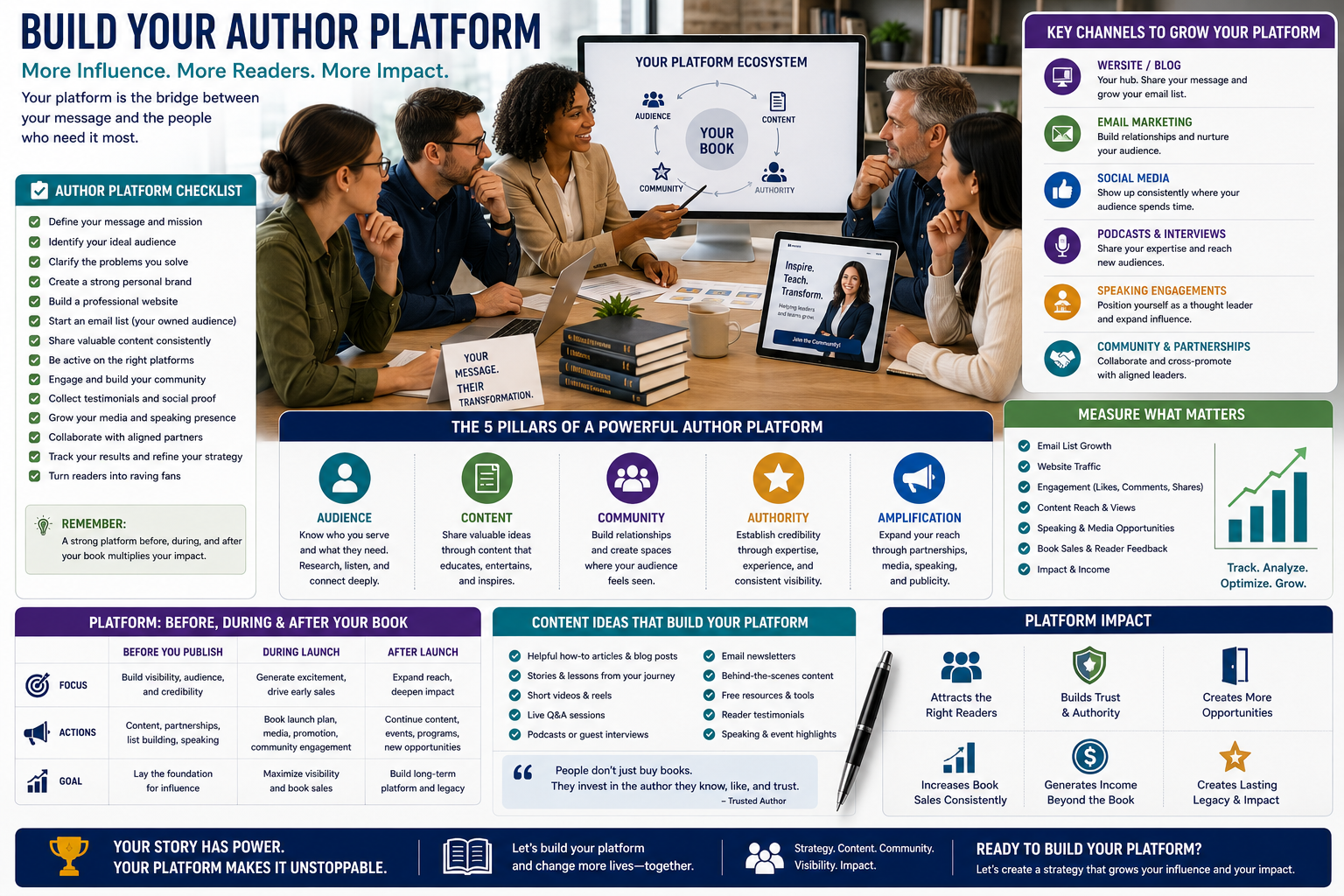
That is an author platform problem. An author platform is the professional foundation that helps people discover your work, understand your credibility, and stay connected to you over time. It can bring together an author website, author audience, author email list, content, professional positioning, and other appropriate marketing channels.
Without that foundation, a book release can land in an audience vacuum instead of building on visibility you already own. Masterly Publishing works with authors who want professional support across the publishing process, and this article looks at the pieces that make a platform work—audience strategy, websites, email lists, book audience building, and the positioning that supports both publication and a lasting author career.
A Strong Book Does Not Automatically Create an Audience
Authors often spend months or years focused on the manuscript.
That investment makes sense. The book needs a strong concept, professional writing, careful editing, and a polished presentation.
But publication introduces a different challenge.
Readers first need a reason and an opportunity to discover the author and the book.
For a professional author, this can be especially important because the book may be connected to a much larger reputation. An executive may want the book to support professional authority. A speaker may want it to complement speaking engagements. An educator may want to extend important ideas beyond the classroom.
The audience strategy should reflect those goals.
An Author Platform and Social Media Presence Should Connect the Author, Book, and Audience
An author platform is not simply the number of followers attached to a social media profile.
It is the larger foundation through which people can discover the author, understand the author's work, and remain connected.
The appropriate platform can look different for every author because many factors influence that choice, and the right option depends on the author’s needs. Understanding those variables gives authors a better sense of what kind of platform setup fits their goals.
One author may already have a strong professional network but no dedicated website. Another may speak regularly but have no organized way to stay connected with people after an event. Someone else may have an established business audience that has never been introduced to the upcoming book.
The objective is not to be everywhere.
It is to create a credible and useful presence in the places that make sense for the author and intended readers.
Your Existing Professional Reputation May Be Part of the Platform
Many non fiction authors are not starting from zero.
An executive may have decades of professional experience. An educator may already be known within a particular field. A consultant may have clients, professional contacts, or speaking experience. A subject-matter expert may already publish articles or appear at industry events. Friends and professional contacts can also help with early platform growth.
These assets can contribute to an author marketing platform.
The challenge is connecting them.
If someone hears you speak and wants to learn more, where should that person go? If a professional contact wants information about your book, what will they find? If readers want to continue hearing from you after finishing the book, is there a clear next step? These existing relationships can help you start building a stronger audience foundation before publication.
Professional platform development considers these connections.
Your Author Website Should Have a Clear Purpose
An author website can become a central destination for an author's professional and publishing presence.
It can give readers, event organizers, media contacts, professional peers, and prospective clients an appropriate place to understand who the author is and what the book represents.
The website should not exist simply because authors are expected to have one.
It should serve a purpose.
Depending on the author and project, that could include presenting the author biography, introducing books, providing information about speaking or professional work, publishing relevant content, or creating an appropriate way for readers to stay connected.
The exact website structure should reflect the author's goals.
Your Website and Book Should Feel Connected
A professionally produced book paired with the wrong website impression can create an unnecessary disconnect.
The book cover, author positioning, website, messaging, and other public materials do not need to look identical. They should, however, feel like they belong to the same professional identity.
This matters when a book is connected to an established career. The site should also visually signal the author’s genre or focus, including fiction where relevant, so the brand can stand apart.
Someone who discovers an executive through a book may visit the author's website next. A reader may search for an educator after encountering their work. A conference organizer may evaluate a speaker's online presence before making contact.
Your digital presence becomes part of that evaluation. Cohesive design helps the site stand out during that process.
An Author Audience Should Be Built Around the Right People
A large audience is not automatically the right audience.
Author audience development should focus on people who have a meaningful reason to care about the author's subject, perspective, or work.
For a leadership author, that audience may include managers and executives. An education-focused author may need to reach educators, administrators, parents, or another defined group. A professional memoir may speak to a different audience entirely.
Clarity matters because audience decisions influence marketing decisions.
Trying to speak to everyone can weaken the message.
Professional book audience building starts with understanding who the book is actually intended to reach and how that audience connects to the author's larger goals.
An Author Email List Can Create a Direct Connection
Social media can be useful, but it is not the only way authors can stay connected with readers, and authors should not rely on the same list of media or third-party contacts to reach them.
An author email list can provide a more direct communication channel for people who choose to hear from the author.
The purpose should be larger than repeatedly promoting a book. Used well, email can help authors sell books more predictably over time.
Depending on the author, email communication might support relevant articles, professional insights, event information, book updates, or other useful communication connected to the author's work.
The right approach depends on the audience and publishing strategy.
For professionals who already create useful material through speaking, teaching, consulting, research, or writing, email may provide another way to maintain a relationship with interested readers, send emails that nurture readers, and support future book sales.
Book Audience Building Should Start With Positioning
Before trying to attract more people, an author needs clarity about what those people are being invited to follow.
That begins with positioning.
What is the author known for?
What does the book contribute?
How to identify who needs the ideas in it?
How does the book connect with the author's professional work?
Without clear answers, book audience building can turn into disconnected marketing activity.
An author may post frequently without establishing a clear identity. A website may contain plenty of information but no obvious message. An email list may exist without a meaningful reason for subscribers to remain engaged, or meaningful ways for them to keep interacting with the author’s work.
More activity is not necessarily a stronger platform.
A coherent strategy matters more. The point of positioning is to move the right people from awareness to ongoing engagement.
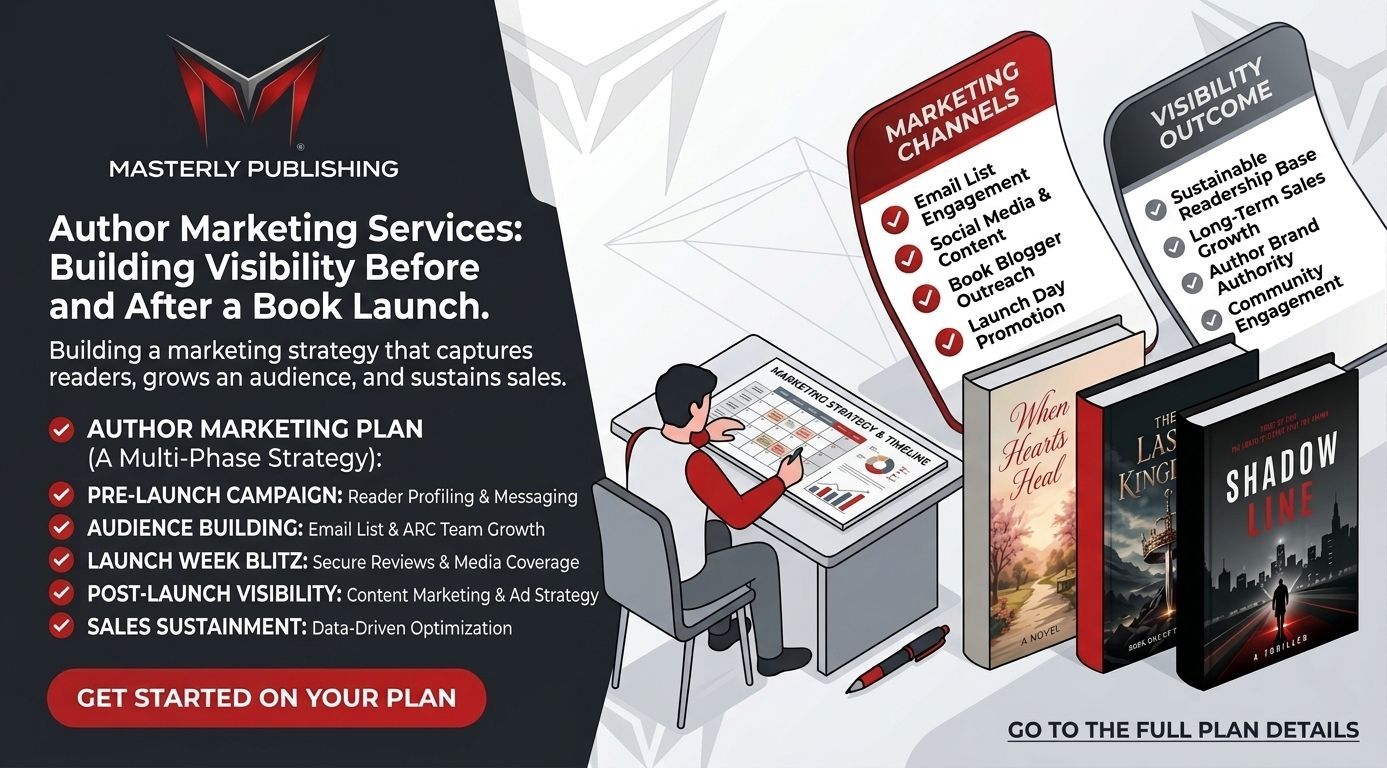
Your Author Marketing Platform Should Support Publication
Publishing and marketing should not feel like two unrelated projects.
The manuscript, cover, author positioning, website, audience strategy, and marketing materials all influence how the finished book enters the world.
An author marketing platform helps connect those elements.
For some authors, that work should begin well before publication. Others may already have a published book but need a stronger professional foundation around it.
Either situation can be addressed strategically.
The objective is to create an environment where the author's book is supported by a credible professional presence rather than being released into an audience vacuum.
Platform Development Matters for Traditional and Independent Authors
Authors may pursue different publishing paths.
Some may seek traditional opportunities, where a publisher will often look at whether the author has a platform and a realistic plan to sell the book. Others may choose professional independent publishing because it better matches their objectives. Some may still be evaluating their options. For some writers, small presses can be a good fit when the work is strong even if the platform is still developing.
An author platform can matter across those pathways because it addresses a fundamental publishing question: how does the author connect with potential readers?
The answer should not depend entirely on a book appearing for sale.
Professional authors can build an identity around their expertise and ideas that exists before, during, and after an individual book release.
That creates a more durable foundation for an author who expects writing to remain part of a larger professional career, whether they want to sell a current book now or strengthen a platform for later opportunities.
Your Platform Is Also Part of Your Reputation
For experts and professionals, author marketing is not separate from professional reputation.
A rushed website, inconsistent messaging, or disconnected public presence can affect how people perceive the person behind the book.
That does not mean every author needs a complicated digital operation.
It means the platform should reflect the level of professionalism represented by the author's work.
A well-developed author platform can help create consistency between the book, author identity, professional expertise, and public presence.
This is especially important when the author's name is already associated with a business, institution, speaking career, or professional field.
Avoid Waiting Until Publication to Think About Your Audience
A finished book can create urgency.
Suddenly the author needs a website, marketing materials, audience strategy, publishing information, and a plan for introducing the book.
Trying to make every decision at once can create disconnected results.
Considering the platform earlier provides more room to align the book and author presence. It also gives early audience development time to support word of mouth, which can increase book sales when publication arrives.
That does not mean an author must have a massive audience before publishing.
It means the foundation should receive thoughtful attention rather than becoming a last-minute task.
Your audience strategy can develop alongside the manuscript and publishing process, helping authors build relationships before a new book is released.
Masterly Publishing Provides a Done-for-You Approach
Authors should not have to become publishing, branding, website, and marketing specialists simply because they want their books to reach the right people.
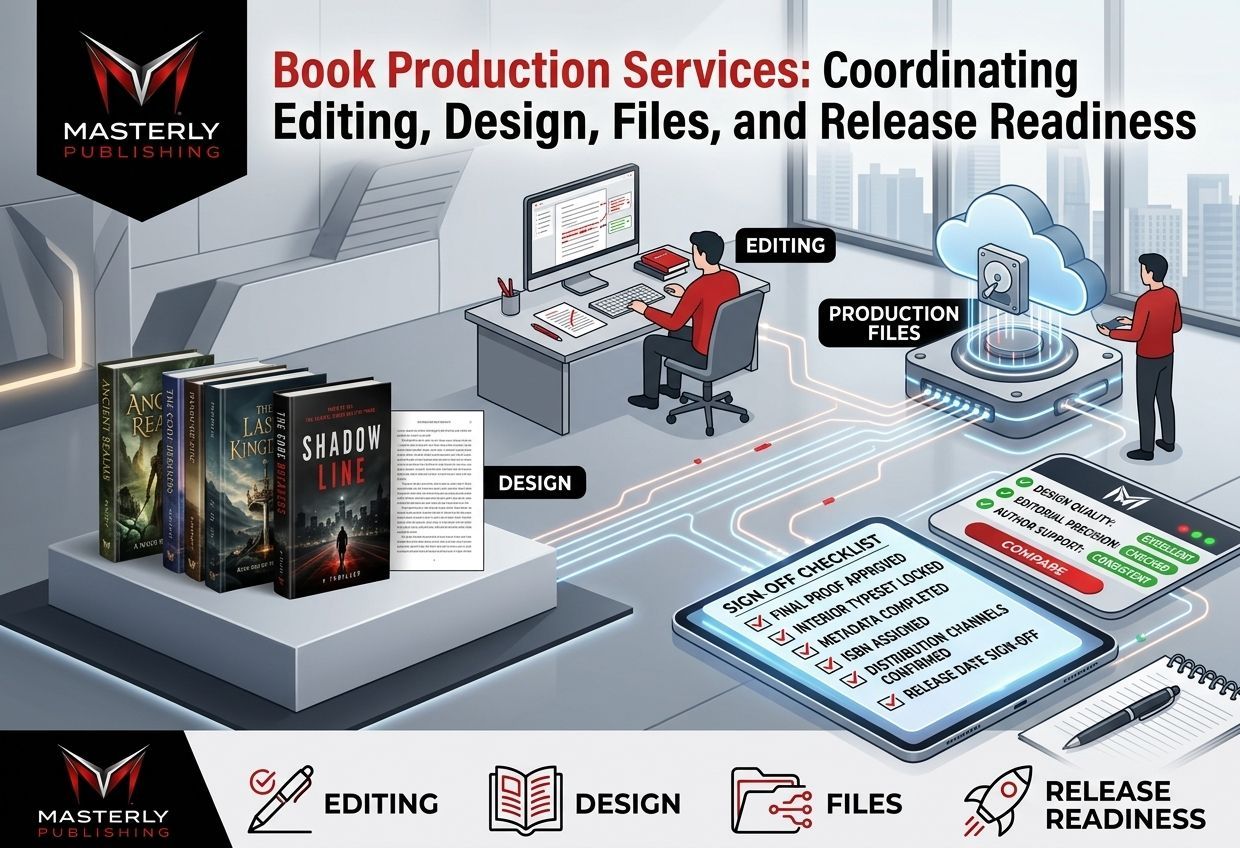
Masterly Publishing works with authors across multiple stages of professional book development and publishing. Its advice is shaped by real publishing, branding, and platform experience.
That broader approach can help connect decisions that might otherwise be handled separately.
The manuscript needs professional attention. The book needs an appropriate visual presentation. The author needs clear positioning. Publishing decisions need to reflect the project's objectives. Marketing should support the book and intended audience.
For authors who need an author platform, the conversation can begin with what already exists, what is missing, and what role the book is intended to play.
The appropriate services should then be based on the author's actual project rather than a generic marketing package, because not everyone needs the same level of support and this kind of platform building is an ongoing process, not a one-time promotional task.
Build a Platform That Can Support More Than One Book
A professional author's career does not necessarily end when one book launches.
The author may continue speaking, teaching, consulting, writing, or publishing.
That is why a strong platform should be considered in relation to the author, not only one title.
An author website can continue to evolve. An author email list can support an ongoing relationship with interested readers. Professional content,
including a blog, can reinforce areas of expertise and keep the platform active over time. A useful blog post can keep attracting new readers between releases. Long-term content can also support a course, podcast appearances, or YouTube visibility when those formats fit the author's work. Future books can enter an environment where the author's identity is already established.
This is particularly valuable for experts who view publishing as part of a larger professional strategy.
The goal is not simply promoting one product.
It is creating a credible foundation around the author's work.
Frequently Asked Questions About an Author Platform
What is an author platform?
An author platform is the professional foundation through which an author can be discovered, establish credibility, communicate their work, and connect with an audience. It is not just visibility; it is also a practical system that helps authors sell their work over time. It may include a website, email audience, content, professional visibility, and other relevant channels, with social media presence being just one component.
Does every author need an author website?
An author website can provide a central online destination for information about the author and their books. The appropriate website structure depends on the author's publishing and professional goals. A strong site should feel easy for the user to navigate and support the author’s broader web presence.
What is an author audience?
An author audience is the group of people most likely to have a meaningful interest in the author's books, expertise, subject matter, or other professional work. Depending on what the author publishes, that audience may follow for expertise, entertainment, or opinion.
What is an author email list?
An author email list is a direct communication channel made up of people who have chosen to receive appropriate communication from an author. It usually grows through a clear sign-up form and often works best when paired with a useful free resource for readers. How it is used should reflect the author's audience and strategy.
What is book audience building?
Book audience building involves developing appropriate ways for potential readers to discover and remain connected with an author and their work.
What is an author marketing platform?
An author marketing platform connects the author's professional presence, audience channels, book positioning, and appropriate marketing activities around a clearer strategy. The goal is to create community around the author’s work, not just one-way promotion.
Do I need a large audience before publishing a book?
Not every author begins with a large audience. The more important question is whether you have a clear understanding of who your intended readers are and an appropriate strategy for reaching them.
Should I build my author platform before my book is finished?
Platform planning can begin before the manuscript is complete. Starting earlier can provide more time to align the author's positioning, website, audience, and publishing strategy.
Can Masterly Publishing help with my author platform and my book?
Masterly Publishing provides professional support across areas of book development, publishing, design, and marketing. Contact the team to discuss your manuscript, existing professional presence, publishing goals, your site and link strategy for guiding readers to the right next step, and the specific services your project may require.
Request an Author Platform and Publishing Strategy Consultation With Masterly Publishing
If you have a serious book project but your professional presence is not yet ready to support it, you do not have to build every part of that foundation alone.
Masterly Publishing can help you consider how your author platform, publishing project, professional identity, and intended readers should work together.
Whether you need to strengthen an author website, clarify your author audience, develop your author marketing platform, or connect your book with a broader publishing strategy, the first step is understanding what your project actually needs if you want your platform and site to support sales around a current or upcoming release.
A consultation can help you decide what belongs on the site now, including support for a new release.
Call: (888) 209-4055
Website: https://www.masterlypublishing.com/