

How a Trademark Attorney Shields Your Publishing Company from Legal Challenges
Building a publishing company is about more than telling great stories. It also means protecting the names, titles, logos, and creative identity that set your business apart. As authors and publishers grow, legal challenges often follow, especially when brand visibility increases. Without proper trademark protection, a publishing company can face disputes that threaten both reputation and revenue.
At Masterly Publishing Group, we understand that publishing success depends on creativity and legal foresight. From manuscript to bestseller, we support authors and publishing businesses with services that extend beyond production and marketing. Working with an experienced trademark attorney is one of the most effective ways to protect your publishing company from costly legal challenges.
Why Trademarks Matter in the Publishing Industry
A trademark is often the first thing readers recognize about a publishing company. Your business name, series titles, imprints, and logos all function as brand identifiers. These elements distinguish your work from competitors and signal quality to readers.
Trademark law exists to protect these identifiers from misuse. Without registration, your publishing company may have limited rights if another business adopts a similar name or brand. Strong trademark protection creates clarity in the marketplace and reduces legal risk.
The Hidden Legal Risks Publishers Often Overlook
Many publishers assume that owning a domain name or registering a business name provides complete legal protection. In reality, those steps alone do not secure trademark rights. Another company may legally challenge your use if they registered a similar mark first.
Trademark infringement disputes can arise unexpectedly, especially as your books gain traction. A trademark attorney helps identify and address these risks before they escalate. Early legal guidance protects your intellectual property assets and long-term business growth.
How a Trademark Attorney Protects Your Publishing Brand
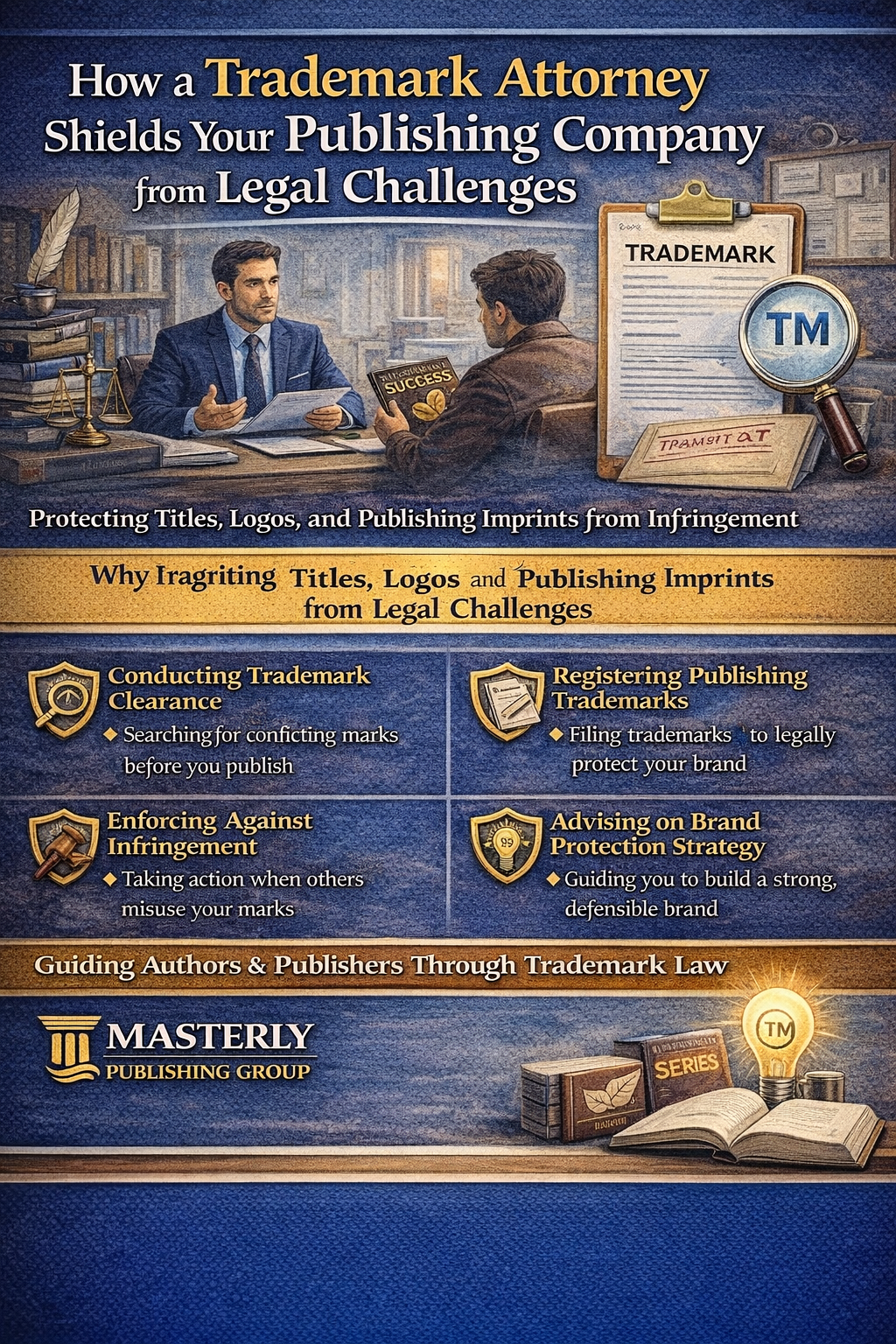
Trademark attorneys focus on protecting brand identity under trademark law and intellectual property law. They guide publishers through trademark registration, enforcement, and ongoing portfolio management. This proactive approach prevents disputes and strengthens brand value.
An experienced trademark attorney understands how publishing brands evolve. They help ensure that trademarks align with current and future business goals. Legal protection becomes part of a broader trademark strategy rather than a reactive measure.
Trademark Clearance as the First Line of Defense
Trademark clearance is a critical step before using a new business name, imprint, or book series title. Trademark clearance searches evaluate whether a proposed mark conflicts with existing registrations. This reduces the risk of infringement claims.
Trademark attorneys conduct trademark clearance searches using professional databases. They analyze not only identical marks but also similar ones that could create confusion. Proper clearance protects your publishing company before branding decisions are finalized.
Why Conducting Trademark Clearance Searches Matters
Failing to conduct trademark clearance searches can lead to costly rebranding. If another company claims your mark infringes their rights, you may be forced to stop using it. This can disrupt marketing, distribution, and reader trust.
Trademark attorneys know how to conduct trademark clearance searches thoroughly. Their analysis helps publishers make informed decisions with confidence. Clearance is an investment in long-term stability.
Understanding the Trademark Registration Process
The trademark registration process involves more than submitting a form. It requires selecting the correct filing basis, identifying appropriate classes, and responding to potential objections. Mistakes at this stage can delay or derail registration.
Trademark attorneys manage trademark applications from start to finish. They prepare filings that meet the requirements of the patent and trademark office. This guidance increases approval chances and minimizes additional fees.
How Do You Register a Trademark Successfully
Many publishers ask, “how do you register a trademark” without realizing the complexity involved. Registration requires more than choosing a name and submitting it to the USPTO. Legal review and strategic planning are essential.
Trademark attorneys guide clients through registration by evaluating use, filing basis, and documentation. They ensure submissions are accurate and complete. Proper registration secures exclusive rights and legal protection.
The Role of the Trademark Office and USPTO
Trademark registration in the United States is handled through the USPTO and the states patent and trademark systems. The trademark office reviews applications for compliance and conflicts. This review process can include questions or objections.
Trademark attorneys communicate directly with the trademark office on behalf of clients. They respond to office action notices and clarify issues efficiently. Professional representation reduces delays and confusion.
Office Actions and How Attorneys Respond
An office action is a formal notice from the trademark office identifying issues with an application. These issues may involve likelihood of confusion, descriptiveness, or technical errors. Responding incorrectly can result in rejection.
Trademark attorneys prepare responses grounded in trademark law and precedent. Their expertise helps overcome objections and keep applications moving forward. Timely, accurate responses protect the registration timeline.
Trademark Applications and Filing Accuracy
Trademark applications require precision. Errors in owner information, specimen submission, or classification can cause problems later. Trademark attorneys ensure filings meet USPTO standards.
Accurate filing protects trademark rights from challenges brought by competitors. It also strengthens enforcement options if disputes arise. Proper filing is foundational to brand protection.
Trademark Trial and Appeal Board Proceedings
Disputes sometimes arise even after filing. The trademark trial and appeal board handles opposition and cancellation proceedings. These proceedings determine whether a mark should be registered or remain registered.
Trademark attorneys represent clients before the trial and appeal board. They present evidence, arguments, and legal analysis. Strong representation protects publishing brands from losing rights.
Opposition and Cancellation Proceedings Explained
Opposition and cancellation proceedings allow third parties to challenge trademark registration. These challenges may claim confusion, unfair competition, or prior use. Without representation, publishers may struggle to defend their marks.
Trademark attorneys manage these proceedings strategically. They assess risks, negotiate resolutions, or litigate when necessary. This defense preserves intellectual property assets.
Trademark Trial and Appeal Strategy
Trademark trial and appeal proceedings require specialized knowledge. Attorneys prepare cases based on evidence, market context, and trademark law standards. Strategic planning increases favorable outcomes.
Experienced trademark attorneys understand how the appeal board evaluates disputes. Their insight helps publishers avoid missteps during litigation-like processes.
Trademark Enforcement and Brand Protection
Registration alone does not stop infringement. Trademark enforcement ensures others do not misuse your brand. Attorneys monitor use and take action when infringement occurs.
Trademark enforcement protects market position and reader trust. It signals that your publishing company actively defends its brand. Consistent enforcement strengthens trademark rights over time.
Handling Trademark Infringement Claims
Trademark infringement claims can disrupt business operations. Accusations may involve book titles, logos, or marketing materials. Without guidance, publishers may respond incorrectly.
Trademark attorneys assess infringement risks and recommend appropriate action. This may include negotiation, cease-and-desist letters, or litigation. Proper handling protects reputation and minimizes disruption.
Unfair Competition and Publishing Brands
Unfair competition arises when competitors use confusingly similar branding. This can divert readers and damage goodwill. Trademark law addresses these practices.
Trademark attorneys help publishing companies combat unfair competition. Legal action preserves brand identity and market position. Protection ensures readers can distinguish authentic works.
Trademark Rights and Exclusive Use
Trademark registration grants exclusive rights to use a mark in commerce. These rights allow publishers to prevent unauthorized use. Exclusive rights enhance brand value and investor confidence.
Trademark attorneys help clients understand and exercise trademark rights effectively. Clear rights support growth and licensing opportunities.
Managing Trademark Portfolios as You Grow
As publishing companies expand, they often develop multiple trademarks. Trademark portfolios may include imprints, series titles, and logos. Portfolio management ensures consistent protection.
Trademark attorneys oversee portfolio management strategically. They track renewals, expansions, and enforcement. Organized portfolios support long-term business planning.
Intellectual Property Beyond Trademarks
Publishing involves multiple areas of intellectual property, including copyright law and patents. While copyrights protect written content, trademarks protect brand identifiers. Both are essential.
Trademark attorneys often coordinate with other legal professionals on intellectual property matters. This integrated approach protects creative and commercial interests together.
Domain Names and Digital Brand Protection
Domain names are closely tied to trademarks. Owning a domain does not guarantee trademark rights. Conflicts may arise when domain names resemble registered marks.
Trademark attorneys advise on domain strategy and disputes. Protecting digital assets prevents confusion and protects online presence.
Corporate Transactions and Due Diligence
Trademarks play a key role in corporate transactions such as mergers or acquisitions. Due diligence reviews intellectual property assets closely. Weak trademarks can reduce valuation.
Trademark attorneys support due diligence by ensuring registrations are valid and enforceable. Strong trademark portfolios enhance business value.
Trademark Counseling for Publishing Companies
Trademark counseling provides ongoing guidance beyond registration. Attorneys advise on brand expansion, licensing, and enforcement. This proactive support reduces risk.
Trademark counseling helps publishers adapt as markets evolve. Legal advice becomes part of strategic planning rather than crisis management.
Trademark Owners and Long-Term Protection
Trademark owners are responsible for maintaining and defending their marks. Failure to act can weaken rights. Attorneys help trademark owners stay compliant.
Consistent legal oversight protects brands over time. Long-term protection supports sustained growth.
Federal Court and Litigation Considerations
Some trademark disputes escalate to federal court. Litigation requires preparation, evidence, and legal strategy. Publishers benefit from early resolution whenever possible.
Trademark attorneys assess when litigation is necessary. Their guidance helps balance cost, risk, and outcomes.
National Advertising Division and Marketing Claims
Marketing claims may be reviewed by the national advertising division. Trademark attorneys advise on compliant branding and advertising practices. This protects publishers from regulatory challenges.
Clear marketing reduces risk and strengthens brand credibility.
Working With a Law Firm That Understands Publishing
Not all attorneys understand the publishing industry. Working with a law firm familiar with publishing challenges matters. Industry insight improves legal strategy.
Trademark attorneys who represent clients in publishing anticipate common issues. Their experience adds value beyond basic legal services.
Why Best Lawyers Focus on Prevention
The best lawyers focus on preventing disputes, not just resolving them. Trademark attorneys identify risks early and implement safeguards. Prevention saves time and resources.
Proactive legal protection allows publishers to focus on creativity and growth.
Trademark Practice and Professional Standards
Trademark practice follows ethical and professional standards set by organizations like the American Bar Association. Attorneys stay informed through continuing education and industry involvement.
Some trademark attorneys participate in the international trademark association, staying current on global trends. This knowledge benefits clients with international ambitions.
United States Patent and Trademark Systems Explained
The united states patent system and trademark systems operate under distinct rules. Trademark attorneys navigate both federal and states patent and trademark processes. Understanding these systems prevents errors.
Proper navigation ensures compliance and enforceability.
Supporting Clients Through Every Stage
Trademark attorneys assist clients from initial consultation through enforcement. This ongoing relationship provides stability. Clients receive consistent guidance as their business evolves.
Masterly Publishing Group values partnerships that support long-term success.
Bringing Stories to Life With Legal Confidence
Publishing success requires confidence in both creative and legal foundations. Trademark protection shields publishing companies from unnecessary challenges. Strong brands thrive when protected.
Legal foresight empowers publishers to focus on storytelling.
When to Contact Masterly Publishing Group
If you are building or expanding a publishing company, now is the time to protect your brand. Trademark issues become more complex as visibility increases. Early action prevents future disputes.
Masterly Publishing Group works with authors and publishers worldwide to navigate legal hurdles.
Contact Masterly Publishing Group for Trademark Guidance
If you have questions about trademark registration, trademark rights, or how do you register a trademark for your publishing company, Masterly Publishing Group is here to help. We offer a free consultation to discuss your goals, explain the trademark registration process, and connect you with an experienced trademark attorney who understands the publishing industry. Contact us at (888) 209-4055 to schedule your free consultation and take the next step toward protecting your brand and creative legacy.
Disclaimer: This article is for informational purposes only and does not constitute legal advice or legal guidance. Reading this article does not create an attorney-client relationship. For advice specific to your situation, consult a qualified trademark lawyer.