



Book Sales: What Authors Should Measure Beyond the First Week of a Launch
Understanding Book Sales in Today's Market
If you're an author struggling to get your books noticed in a market where over 4.17 million ISBN-registered titles were published in the U.S. in 2025 alone, you need a deliberate, multi-channel sales strategy - not just a great manuscript. Book sales means selling books across every format (print, e-book, audiobook), every publication path (traditional, self-published, hybrid), and every store or distribution channel from your own website to global online marketplaces. The global book market value is $142.7 billion and growing, so the opportunity is real - but so is the competition.
The central challenge isn't writing quality. It's discoverability. With self-published works alone surging nearly 39% year over year - from 2.5 million to over 3.5 million titles - visibility is the bottleneck between a finished book and actual revenue. E-books accounted for $14.9 billion in sales, the audiobook sector generated over $1.8 billion, and U.S. print book sales reached 782 million units, confirming that authors need a sales approach that matches how readers actually buy. What follows breaks down the market dynamics, proven sales strategies, major sales channels and platforms, launch and optimization tactics, and real-world examples that help turn visibility into revenue.
Effective book sales strategies matter because stronger pricing, smarter channel strategy, and better marketing execution are what make the biggest difference in how much money your book earns. Whether you're a debut novelist, an experienced writer, or part of a publishing company trying to expand into new channels and markets, choosing the right strategy now is the difference between obscurity and sustainable revenue.
Start building your multi-channel sales plan today - the strategies below will show you exactly how.
Why Authors Trust These Book Sales Strategies
Authors don't adopt these strategies on faith - they follow the data, the results other writers have achieved, and what comparable competitors are doing.
- Proven by market growth: The self-published segment globally grew from $1.85 billion in 2024 to approximately $2.16 billion in 2025, projected to reach roughly $6.16 billion by 2033 (a CAGR of ~16.7%). That kind of momentum signals strategies that work at scale.
- Real revenue outcomes: In one documented case, Christian author Ted Dekker shifted from reliance on brick and mortar stores to a digital-first, direct sales approach using bundle releases and email/SMS marketing. The result: over $10 million in total revenue, new product launches generating $250,000+ in the first month, and overall revenue growth of 692%.
- Average time to results: Most authors implementing coordinated launch strategies - combining email campaigns, early review programs, and paid advertising - see measurable sales improvement within 60–90 days. Print and bookstore placement strategies take longer (6–12 months), but the digital side moves fast.
- Transparent success metrics: Authors track ROI on ads, cost per acquisition versus royalty per unit, and conversion rates from email opt-in to purchase. Platforms like IngramSpark and Amazon KDP provide calculators so you can estimate compensation per sale and compare channels at a high level before you invest. No guarantees exist in publishing, but the data lets you make informed decisions.
Why Successful Authors Choose Multi-Channel Book Sales and the Long Tail Strategy
Relying on a single distribution channel is one of the most common - and costly - mistakes authors make. Here's why successful writers diversify:
- Diversification reduces risk and increases revenue potential. If one channel weakens (algorithm changes, bookstore closures, policy shifts), authors selling through multiple touchpoints are insulated. Ted Dekker's shift away from Christian bookstore reliance after widespread closures toward digital direct sales is a clear example. The average organization uses 10 sales channels, and 89% of sales teams use partner selling as a sales channel - the publishing world is no different.
- Multiple touchpoints reach different readers. Some consumers prefer print; others buy exclusively on Kindle or listen via Audible. 57% of buyers prefer engaging through digital sales channels, but a meaningful audience still buys in brick and mortar stores. Subscription services like Kindle Unlimited reach heavy readers who devour many novels per month. Utilizing multiple channels widens your total audience.
- Competitive advantage over single-channel authors. Authors locked into Amazon exclusivity (KDP Select) miss Apple Books, Kobo, and international online platforms. Print-only authors miss the entire e-book audience. Multi-channel writers capture more market share and build more resilient income streams.
- Measurable outcomes across channels. Multi-channel strategies tend to produce higher combined sales and greater overall revenue, even if margin per unit varies by channel. More readers mean more reviews and better organic discoverability - a virtuous cycle that feeds long-term success.
Types of Book Sales Channels
Book sales channels fall into three main categories, each with distinct advantages for reaching readers and generating profit:
- Direct Sales - Highest margins, full customer relationships
- Retail and Bookstore Partnerships - Credibility, local reach, shelf space
- Digital Platform Sales - Global access, 24/7 availability, scalable distribution
Direct Sales Channels
Selling from your own website, at book signing events, and through speaking engagements puts you in direct contact with your buyers. You cut out middlemen and keep the highest possible margins - some authors report earning 80–90% of net e-book list price via direct sales platforms. For print, you manage fulfillment, shipping, and returns, but the profit per unit is substantially higher than any retail or digital channel.
Direct sales work best for authors with an engaged audience, a strong email list, or a unique niche. If you can drive traffic through social media, newsletters, or offline events, this channel delivers serious revenue while strengthening the brand you build with readers through owned channels. Ted Dekker's bundle strategy boosted his average order value by approximately 70% - a result driven entirely by direct sales infrastructure and marketing.
Retail, Brick and Mortar Stores, and Bookstore Partnerships
Independent bookstores, chain retailers, and library sales give your book physical shelf space and the credibility that comes with it. Publisher quality and prestige strongly influence book sales, and a bookstore presence signals legitimacy to many readers.
The requirements: wholesale discounts (typically 40–55%), returnability policies (bookstores expect to return unsold stock), and consistent supply via distributors like Ingram. Margins are lower, but retail placement can spread visibility across local markets and reach into local communities and audiences who don't buy online is significant. Libraries add both readership and prestige.
Digital Platform Sales for Niche Products
Amazon KDP, Apple Books, Barnes & Noble Press, Kobo, and aggregators like Draft2Digital give you global reach and always-on storefronts. On Amazon KDP, e-books priced between $2.99 and $9.99 typically earn a 70% royalty (minus delivery fees). Other platforms offer competitive or sometimes higher effective rates.
Market dynamics show growth driven by digital formats and accessibility, and online communities significantly influence book discovery. Platform-specific optimization - keywords, metadata, categories, pricing, and backend system setup - is essential for visibility. Social media platforms like TikTok influence bestseller lists, making digital presence not just a sales channel but a discovery engine shaped by the reader-facing service experience those platforms provide.

How Book Sales Success Works
Book sales success is achieved by preparing a professionally produced book, launching it through a small number of strong channels with coordinated promotional strategies, and continuously optimizing across the wider catalog based on sales data and reader feedback.
Step 1: Book Preparation and Market Research
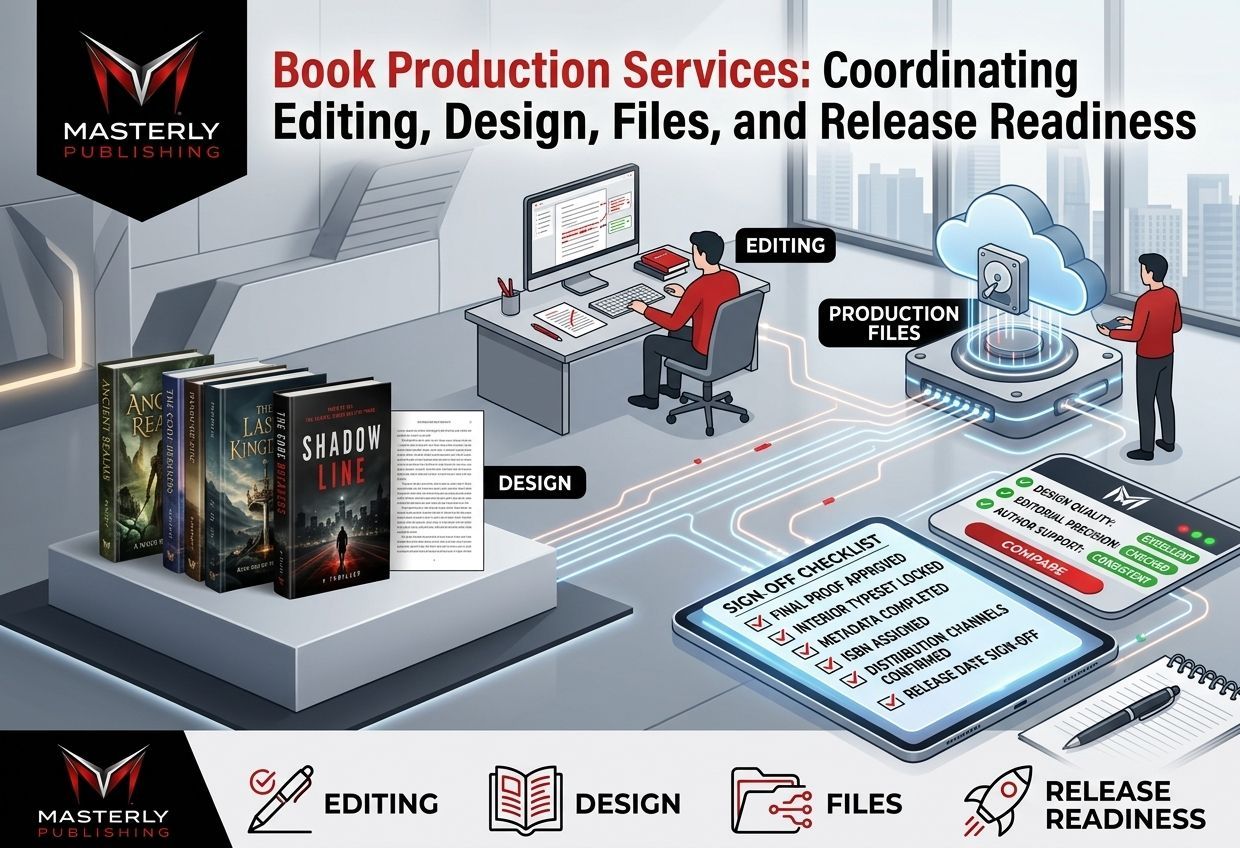
Before you sell a single copy, invest in professional editing (developmental and copyediting), strong cover design, and interior layout tuned to each format. Conduct competitive analysis: study comparable titles' pricing, cover styles, and tropes within your genre. Even a comparable book titled in a clearly genre-coded way can signal positioning at a glance. Fiction, especially romance and fantasy, drives sales growth - understanding where your book fits in the market is critical.
Identify your target readers: their age, reading preferences, and where they buy. Optimize keywords and metadata for digital platforms. Acquire ISBNs and choose trim sizes for print. This original research phase sets the foundation for everything that follows.
Step 2: Launch Strategy and Channel Setup
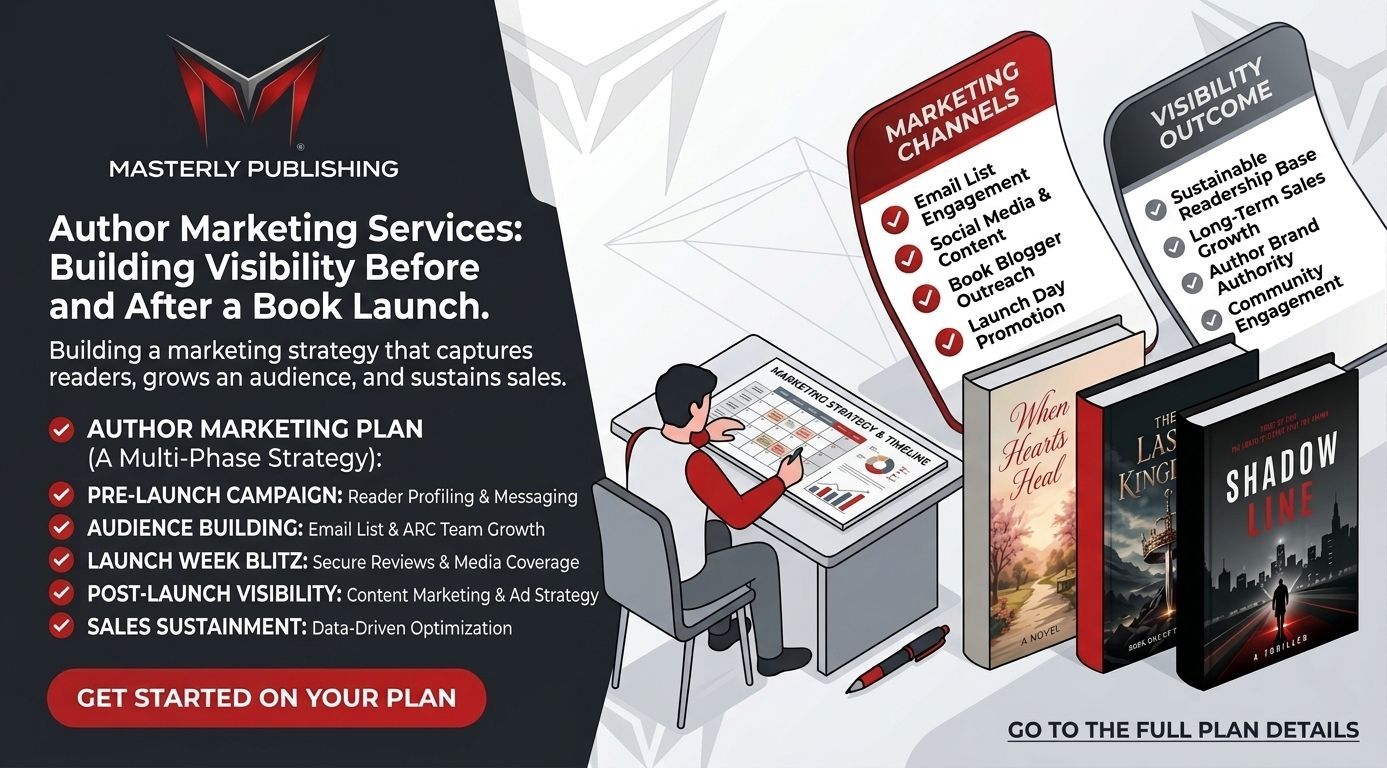
A coordinated launch across multiple platforms creates early momentum. Set up print via KDP and/or IngramSpark for bookstore and library reach; distribute e-books via Amazon, Apple, Kobo, and aggregators. Use pre-orders, ARC (advance review copy) programs, and early reviewer incentives to build reviews before launch day.
Marketing at this stage includes email list campaigns, social media promotion, paid ads (Amazon Ads, Facebook, BookBub), and collaborations. Simultaneous availability across channels - rather than a staggered rollout - maximizes your launch window and keeps author support materials, such as consistent promotional assets, aligned everywhere.
Step 3: Ongoing Sales Optimization
Track sales numbers per channel, conversion rates, and cost per acquisition. Adjust pricing strategically - run discounts, countdown deals, and promotional features. Collect reviews continuously; they're the lifeblood of organic discoverability on every platform.
Consider bundling books or building a series to upsell readers. Explore international rights and translations to access new markets. Build your long-term author platform: newsletter subscribers, social media followers, and an engaged community of readers who buy multiple books. Scale what works - increase ad spend on high-ROI campaigns, expand print distribution where margins justify it. Authors are diversifying distribution methods beyond major retailers, and this long tail strategy pays off over time by relying less on a reduced number of breakout hits and more on broader backlist gains.
Book Sales Success Stories
Real numbers matter more than vague claims. Here are documented outcomes:
Ted Dekker - Digital-First Transformation Christian author Ted Dekker transitioned from dependence on specialized bookstores to a digital-first, direct-to-consumer model. Using bundle releases, email/SMS marketing, and his own e-commerce site, he generated over $10 million in total revenue from his kids' books line. New product launches consistently produced $250,000+ in their first month. His average order value increased by approximately 70%, and his overall revenue growth reached 692%.
Self-Publishing Market Explosion The self-publishing segment's growth tells a broader story. In 2025, self-published e-books made up 51% of all e-book unit sales in the U.S. and over 34% of e-book retail revenue. The top five self-published genres by title count were fiction (477,104 titles), juvenile nonfiction (401,716), games and activities (354,684), juvenile fiction (265,615), and travel (246,615). That growth is not driven only by breakout titles, but also by demand for less popular items across the catalog.
Industry-Wide Revenue U.S. trade book sales hit approximately $33.4 billion in 2025, growing roughly 2.5% over 2024. Adult fiction led growth at +3.9% ($7.1 billion), and religious press surged +9.3% (reaching $2.2 billion). These numbers confirm that the market rewards authors who position themselves strategically.
What Authors Say About These Book Sales Strategies
Space for genuine author testimonials. Include each author's name, book genre, and specific results achieved - for example, units sold, revenue increase, and timeframe. Mix debut authors, experienced writers, and various genres to demonstrate broad applicability. Use only real testimonials from your clients or community.
Best Platforms and Markets for Book Sales
Major Platforms
- Amazon KDP: Dominant in e-books and accessible print. Offers Kindle Unlimited (exclusive program), countdown deals, and massive customer base. Best for selling large volumes quickly.
- IngramSpark: Wide print distribution into the bookstore and library trade; global retailers; useful for hardcover and specialty formats. Title setup is now free; distribution ("market access fee") runs approximately 1.875% of list price.
- Apple Books, Kobo, Barnes & Noble Press: Essential for wide e-book distribution beyond Amazon. Different royalty and agency models; Kobo has stronger presence in Canada and Europe.
- Draft2Digital and other aggregators: Help writers reach multiple retailers without managing individual accounts. Cost effective for authors who want broad distribution with minimal administrative burden.
Emerging and Niche Platforms
Subscription services like Scribd reach heavy readers who consume many novels per month. Niche bookstores - genre-specialty and regional - serve localized audiences. Online marketplaces allow selling low volumes of hard-to-find items, making them ideal for niche products that might never earn shelf space in a traditional store.
International Markets
Different platforms dominate in different regions. Local print distribution costs, shipping, VAT, and import issues all affect effective profit. Reader preferences vary: some markets lean heavily digital, others still favor print. Translation rights and international digital distribution can open major revenue streams - and the internet has made accessing these markets more practical than ever. Hybrid publishing models are increasingly mainstream in the industry, giving authors flexible paths to global reach.
Frequently Asked Questions About Book Sales
How much do distribution costs affect setting up book sales channels?
Platform setup costs have dropped significantly. IngramSpark's title setup is now free (it previously cost approximately $49). Amazon KDP charges nothing upfront for e-book or print setup. IngramSpark charges a market access fee of roughly 1.875% of list price for global distribution.
Beyond platform fees, budget for professional editing, cover design, formatting, and ISBNs. Marketing costs (ads, promotions, influencer outreach) vary widely. Many authors start with a total investment of a few hundred dollars for digital-only launches and scale spending as revenue grows. The cost of entry is lower than ever - but the investment in quality and marketing is what separates books that sell from those that don't.
How long does it take to see book sales results?
For e-book and digital channels, the first 30–90 days are critical for ranking, gathering reviews, and running launch promotions. Most authors see measurable improvement within this window when executing a coordinated strategy.
Print and bookstore placement takes longer - often 6–12 months to secure listings, manage returns, and build retailer relationships. Series authors often see exponential returns after publishing several books, as each new title drives demand for the backlist. Building an audience is a long tail effort: patience and consistency compound over time.
What's the difference between exclusive and wide distribution?
KDP Select requires 90-day e-book exclusivity with Amazon. Benefits include Kindle Unlimited page-read payments and promotional tools like countdown deals. The tradeoff: you cannot sell that e-book on Apple Books, Kobo, or any other platform during the exclusivity period.
Wide distribution (via aggregators or individual platform accounts) grants access to multiple online marketplaces and formats. Royalties per sale may sometimes be lower, and promotional tools are more scattered. Choose exclusivity if Amazon is your primary revenue driver and you want to maximize page-reads. Choose wide if you want to reach many customers across platforms, reduce platform dependency, and build a more resilient long-term business.
Chris Anderson coined the term 'long tail' in 2004 to describe how online platforms could profitably sell niche products alongside current bestsellers. Anderson argues that long tail products can collectively rival bestsellers in sales. The long tail concept applies directly to book sales: niche books accounted for 36.7% of Amazon's sales by 2008, proving that even titles with low sales volume can generate meaningful revenue when distribution costs are low and access is unlimited. While brick and mortar stores can only stock relatively few current bestsellers due to limited shelf space, online marketplaces enable sales of hard-to-find items with low demand - and their combined sales often rival those of popular products. This is the core of the long tail strategy: you don't need to be a bestseller to build a sustainable writing business. Digital audio sales have exceeded $1 billion annually, and audiobooks are the fastest-growing format in publishing - another channel where the long tail works powerfully. AI tools are being used for back-end publishing tasks rather than content creation, helping authors streamline distribution and metadata optimization without compromising the creative work.
Request a Strategic Structure Review When Growth Has Overloaded Managers or Slowed Decisions
Masterly Consulting Group can review your organization’s span of control, direct reports, manager capacity, and team structure to identify where growth has created leadership bottlenecks.
Call (888) 209-4055 or visit Masterly Consulting Group to request a strategic structure review.