

Book Distribution Services: What Authors Need Beyond Uploading a File
What "Book Distribution Services" Really Mean for Authors
Book distribution services act as the bridge between an author and retail channels - the infrastructure that puts your finished print books and digital books into the hands of readers. Without distribution, even a brilliantly written self published book sits in a folder on your desktop or a box in your garage. Effective distribution increases a book's visibility and sales potential by connecting authors to potential readers through bookstores, libraries, online retailers, and direct sales.
This article is a practical guide for independent authors and self publishers getting ready to distribute a finished book, not a directory of every book distributor on earth. We will cover the distribution scope you need to understand, how ready your files and metadata must be before you upload anything, the basics of royalty rates across channels, and where professional support fits in.
The core channels most authors work with today include Ingram Content Group (the world's largest distributor, connecting to over 40,000 retailers and libraries), Amazon KDP (which controls about 50 percent of the US book market), Google Play Books, Apple Books, library networks, Publishers Group Canada for the Canadian market, and direct sales through your own website or at in person events. A multi-channel strategy increases book visibility and sales opportunities, and that is the framework we will build here.
Consider a self published US author launching a nonfiction title in 2026. They have a finished manuscript, a professional cover design, and an ISBN. The question is not whether they can publish - it is how to make the book actually orderable by the retailers where readers buy books. That is the distribution problem, and it is solvable once you know the moving parts.

What Is Book Distribution? (and How It Differs From Printing & Marketing)
Book distribution is the process of getting your e book and print book listed and supplied to retailer, wholesaler, and library systems so they can order and sell it. A single distributor can place the book across thousands of global storefronts. Many distributors can send metadata to international retailers for broader reach, which is why distribution deserves its own category separate from printing and marketing.
Here is the distinction that trips up most first-time independent publishers:
- Printing is manufacturing physical copies. Whether you use print on demand or offset runs, printing is production - paper, binding, cover finish. It does not put your book in any store.
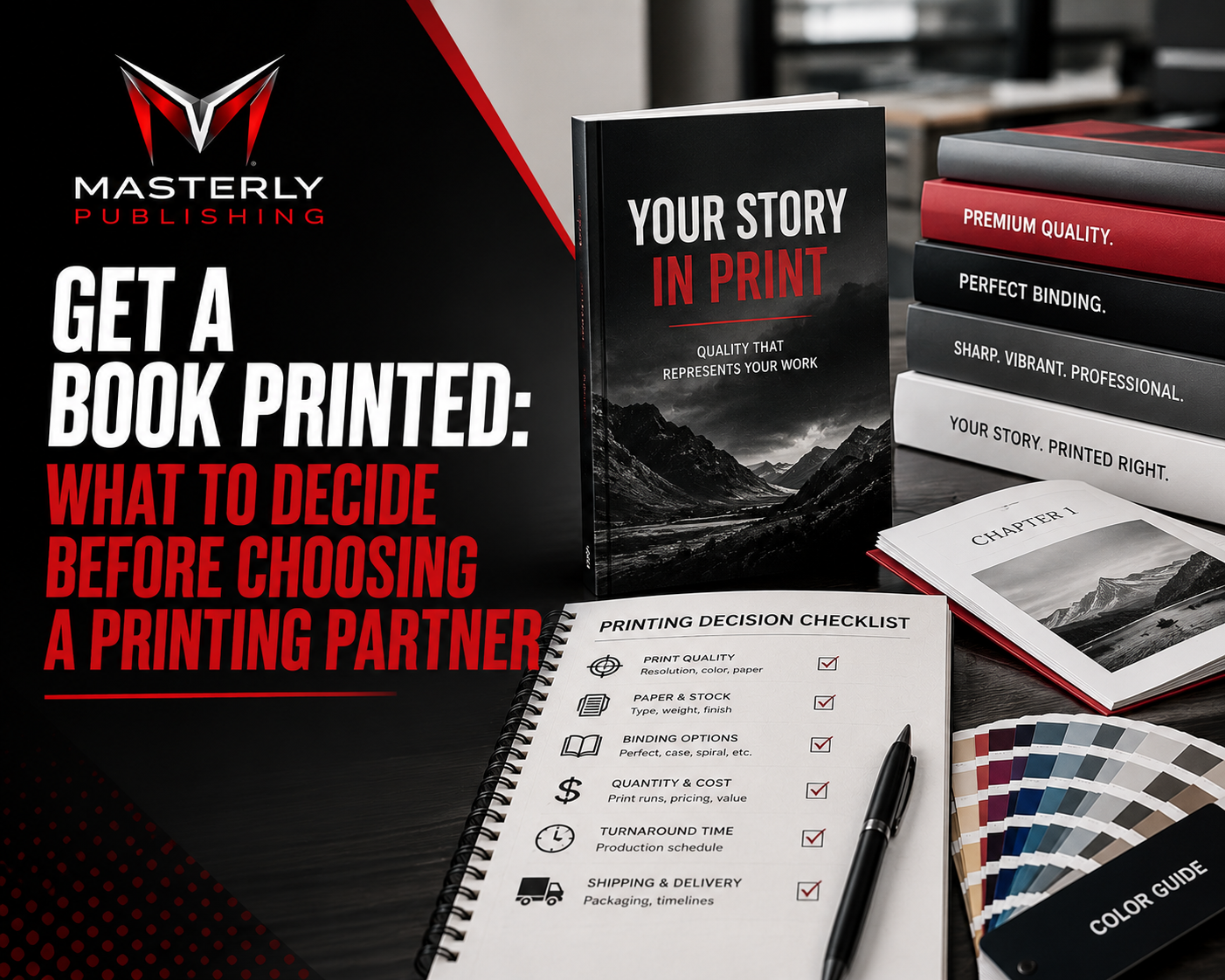
- Distribution is listing and supplying books to channels. This includes feeding your metadata (title, ISBN, price, description) into retailer catalogs, enabling ordering by bookstores and libraries, and fulfilling those orders. Distribution services cover Amazon, independent bookstores, chain bookstores, libraries, Google Play, and other retailers.
- Marketing is the set of activities that drive readers to those channels - ads, email campaigns, social media, promotional tools, review outreach.
Many services blend these functions. A POD platform like IngramSpark prints your book and also acts as a wholesale distributor. But authors should know which part they are paying for. A POD printer that does not offer distribution is very different from book distributors that employ sales reps to pitch your titles to buyers at Barnes Noble or independent and chain bookstores.
Short example: a nonfiction paperback about natural science, printed via POD through IngramSpark, can be distributed globally through Ingram's network to over 40,000 retailers and libraries. The printing is handled on demand. The distribution is handled by metadata feeds and wholesale ordering. The marketing - that is on the author or their team.
Book Distributors vs Wholesalers vs Aggregators
Most self publishers use the words "distributor," "wholesaler," and "aggregator" interchangeably. They are not the same thing, and the difference affects your cost, control, and who actually sells your book.
Book distributors actively market your titles to bookstores, libraries, and specialty stores. Companies like Independent Publishers Group, Consortium Book Sales, Greenleaf Book Group, and Publishers Group Canada represent independent publishers and small presses with seasonal catalogs and dedicated sales reps. Distributors sell books directly to retailers and libraries. Distributors handle marketing and pitching to bookstores. They often charge 55 percent or more of the book's cover price, may require exclusivity, and usually expect a minimum number of titles per year. SCB Distributors, CBL Distribution, and Leaf Distributing serve niche segments including urban books, outdoor guides, children's books, self help books, and titles from African American authors.
Wholesalers are companies like Ingram Book Company (headquartered at One Ingram Blvd) that hold or facilitate inventory and fulfill orders when a bookstore or library requests a specific title. Wholesalers do not market books - they only fulfill requests. Most indie authors access wholesalers via POD platforms like IngramSpark rather than opening direct wholesale accounts. Baker & Taylor's retail-wholesale business effectively closed, leaving Ingram as the largest book distributor globally and narrowing wholesale options further.
Digital aggregators like Draft2Digital (which absorbed Smashwords) let you upload once and distribute digital books to many retailers. Draft2Digital distributes ebooks to major retailers except Amazon. Library e-aggregators handle licensing to systems like OverDrive and Hoopla.
If you are self published, you typically combine POD plus wholesaler access (IngramSpark), plus ebook aggregators or direct retailer uploads, rather than landing a full service distributor right away. Using wholesale-integrated distributors allows easy orders by bookstores and libraries without requiring a trade distribution contract.

Key Book Distribution Channels: Print Books vs Digital Books
A modern distribution plan almost always includes both print books and digital books. Print and digital distribution includes physical and e book formats, and increasingly audiobook as a third leg. Each format reaches different audiences and carries different economics.
Print distribution works through two modes. Print on demand services like IngramSpark and KDP Print reduce upfront printing costs for authors - no warehouse, no large offset run, no inventory risk. IngramSpark connects indie books to over 40,000 retailers. For a bookstore to stock your title, it needs an ISBN, competitive pricing, a professional cover, and ideally returnability enabled with a wholesale discount of 40 to 55 percent. Physical book distribution through these networks can reach independent bookstores and libraries globally.
Digital ebook distribution allows access to global markets through various platforms. You can upload directly to Amazon KDP, Apple Books, Google Play Books, and Kobo. Or you can use an aggregator like Draft2Digital to reach many of those retailers (except Amazon) plus library distribution networks like OverDrive, which reach many readers and enhance long-term discoverability for authors. Digital distribution has near-zero production cost and no returns in the print sense, but discoverability is harder without marketing investment.
Audiobooks round out a mature strategy. Platforms like Audible, Apple, Google Play, and Findaway offer distribution through one platform or aggregators, expanding sales opportunities for nonfiction titles, children's books, and fiction alike.
The trade-off is straightforward: digital books cost almost nothing to deliver but require strong marketing to surface. Print books carry manufacturing and shipping costs but can reach specialty stores, libraries, and readers who prefer physical formats.
How the Distribution Process Works (Step by Step)
Here is the distribution process from manuscript-ready to live on retailer sites, focused on independent authors and small publishers.
- Finalize files to platform specs. For print: interior PDF, cover with bleed and correct spine width, appropriate trim size. For e book: validated EPUB file and a cover image meeting retailer thumbnail standards.
- Obtain ISBNs and barcodes. Assign a unique ISBN per format - paperback, hardcover, e book, audiobook. Barcodes for print typically embed ISBN and price. If you do not have ISBNs, get them through your national agency (Bowker in the US) or through ISBN services offered by your publisher.
- Prepare complete metadata. Title, subtitle, series info, BISAC codes, 7 to 10 keywords, pricing per territory, publication date, and rights declarations. Metadata optimization is essential for how algorithms categorize and display the book.
- Upload files and metadata to chosen book distribution platforms. IngramSpark for global print distribution, KDP for Amazon, Google Play Books for direct Google distribution, Apple Books direct or via aggregator.
- Schedule preorders. Ebook preorders typically need a few weeks of lead time. Print preorders aimed at bookstores via Ingram need 2 to 3 months for meaningful catalog presence. Most retailers list new titles within 2 to 6 weeks of setup.
- Verify listings. Check retailer sites for correct cover, description, pricing, and format linking. Confirm royalty settings, wholesale discount, and territory rights.
- Post-setup corrections. Fix any metadata errors, sync cover images across platforms, and ensure newly listed formats (hardcover, large print) are linked on retailer pages.
Are You Actually Ready for Distribution? (Retailer & Platform Readiness Checklist)
Many authors upload files too early and then wonder why sales are flat. Self published authors face challenges getting into physical bookstores, and those challenges multiply when the book itself is not retail-ready. Before you distribute books through any channel, confirm the following:
- Editorial quality: Professionally edited and proofread by someone other than you. Interior PDF has correct margins, no orphan lines, high-resolution images (300 dpi or higher for print).
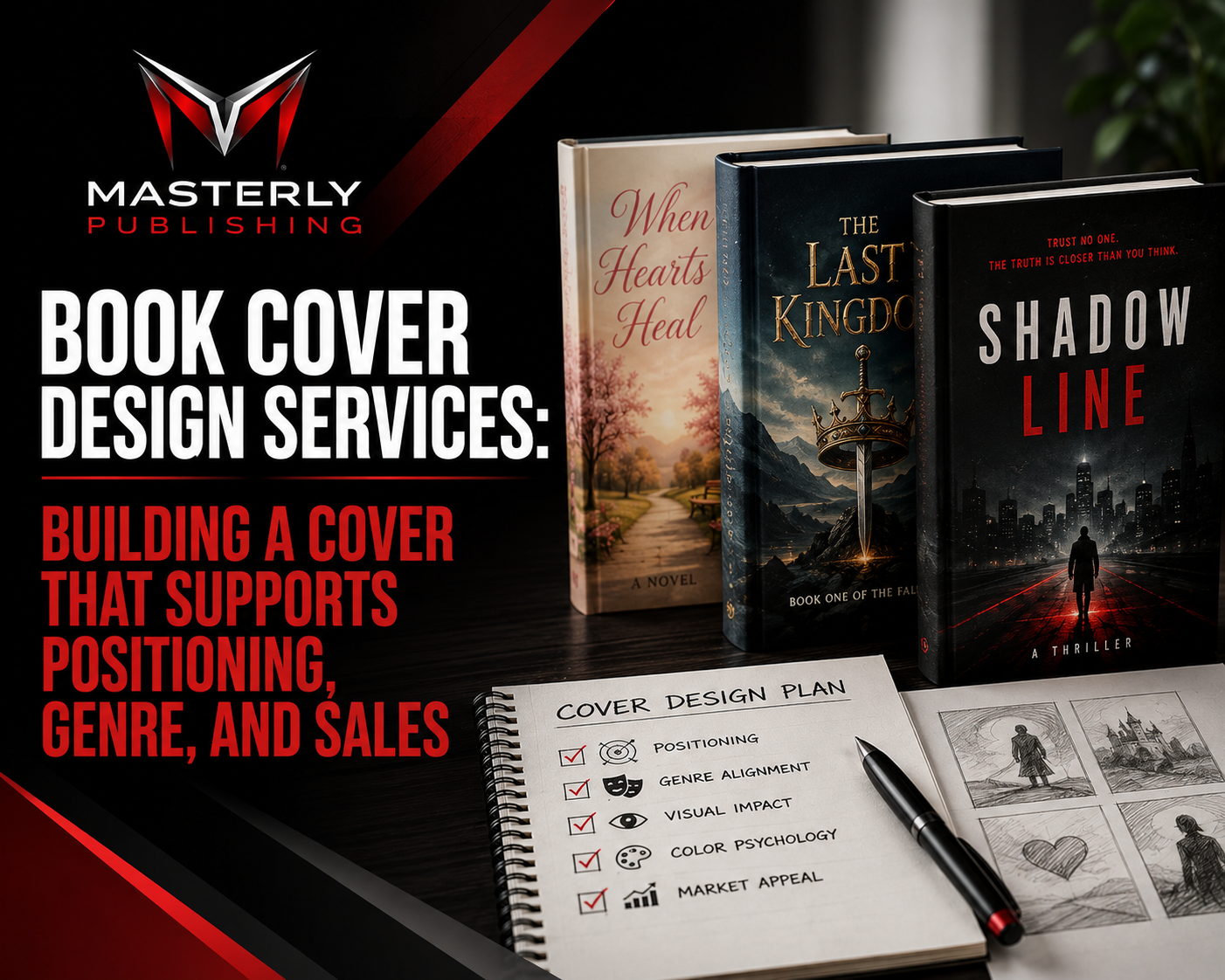
- Cover design: Professional, readable at thumbnail size on major online retailers. Print covers need proper spine text and finish selection (matte or gloss). This is an important factor that directly affects conversion on every retailer page.
- Metadata: Clear target audience, refined subtitle, and BISAC categories that match comparable titles in the book trade - not generic labels like "Fiction / General." Seven to ten smart keywords. Accurate series data if applicable.
- Amazon KDP readiness: Trim size and pricing set relative to competitors. Decision made on KDP Select (ebook exclusivity) versus going wide. Understanding that Amazon KDP controls roughly 50 percent of the US book market.
- IngramSpark readiness: Wholesale discount chosen (40 to 55 percent is standard for the book trade). Decision on returnability - independent bookstores and chain bookstores generally will not stock non-returnable titles. Appropriate digital printing or POD specs selected.
- Google Play Books readiness: Description and sample pages optimized. Understanding that Google may discount your list price in promotions.

Understanding Royalty Rates and Discounts Across Channels
Your royalty is what remains after retailer and distributor discounts and print costs are deducted. The numbers vary widely by channel, so understanding royalty rates before you set prices is essential.
Ebook royalties: Amazon KDP pays 70 percent on ebooks priced between $2.99 and $12.99 in the US (as of mid-2026), minus a small delivery fee based on file size. Outside that band or in ineligible territories, the rate drops to 35 percent. Apple Books and Google Play Books typically pay around 70 percent of net. Aggregators like Draft2Digital take roughly 10 to 15 percent of net on top of whatever the retailer pays.
Print royalties via wholesale: With IngramSpark, you set a list price and choose a wholesale discount. For a $17.99 trade paperback (400 pages, 6×9, black and white), print cost runs about $6.50 to $7.50. At a 55 percent discount: $17.99 × 0.45 = ~$8.10 revenue, minus ~$7.00 print cost, minus IngramSpark's market access fee of 1.875 percent (~$0.34) = approximately $0.76 per wholesale copy. That is a realistic number, not a typo. For Amazon KDP Print, royalty is 60 percent of list price minus printing cost on titles priced at $9.99 or above in the US.
Direct sales: Selling from your own site or at in person events skips retailer discounts entirely. Direct-to-reader sales can yield up to 97 percent royalties for authors through platforms like Books.by, after payment processing. If you sell directly, you handle traffic and fulfillment, but you keep most of the margin.
Authors can retain a higher percentage of royalties through independent distribution and direct sales. The trade-off: wider reach through distributors and wholesalers means lower per-book earnings, while direct sales deliver higher margins but require you to drive every customer yourself.
Strategic Distribution Choices for Independent Publishers and Self Publishers
Choosing the right book distribution service depends on distribution format and strategy, not on copying what another author did. Your goals - bookstore presence, maximum royalties, global reach, or minimal overhead - should drive every platform decision. Authors need diverse distribution channels to maximize reach.
Amazon-centered strategy. A US indie romance author might use KDP for both ebook and paperback, enroll in KDP Select for Kindle Unlimited access, and skip other channels. This works well for genres where Amazon dominates and where KU page reads generate meaningful revenue. It limits bookstore and library reach, but simplifies everything.
Wide digital plus trade print. A Canadian business author could upload ebooks directly to Amazon KDP, Apple Books, Kobo, and Google Play Books, then use IngramSpark for global print distribution to independent bookstores, chain bookstores, and libraries. Adding a Canadian-focused distributor like Publishers Group Canada gives stronger placement with Canadian retailers. This is a strong approach for nonfiction titles where credibility and physical presence matter.
Direct-first strategy. An author with an established audience might sell directly through their own website, capturing the highest margin, then layer in major online retailers for discoverability. This works especially well when combined with email marketing and in person events.
Using multiple platforms can maximize an author's reach and revenue. Using multiple distribution channels increases book visibility. Authors can distribute print books through networks that reach bookstores and libraries globally.
When does a full service trade distributor make sense? If you are a small press or independent publisher with 10 to 20 titles, consistent seasonal output, and the financial capacity to absorb 55 to 65 percent discounts plus returns, then companies like Independent Publishers Group, Publishers Group Canada, or Consortium Book Sales can deliver real shelf presence through their sales reps. For a single self published title, those requirements are usually unrealistic. Small independent publishers and independent presses building a catalog over time are the natural fit for a full service distributor or a publishers group relationship.
Post-Launch Distribution Management: Metadata, Updates, and Problem-Solving
Distribution is not set-and-forget. Ongoing maintenance directly affects discoverability and whether readers buy your book months or years after launch.
Metadata optimization: Adjust categories and keywords based on early sales data and reviews. Refine your product description. Add editorial reviews, awards, or blurbs as they arrive. Library distribution can enhance long-term discoverability for authors, so make sure library-facing metadata is accurate.
Price and format adjustments: Run temporary ebook promotions through KDP, Google Play, or Kobo. When you add new formats - hardcover, large print, audiobook - link them correctly across retailer pages so readers see all options. Ensure prices sync across platforms to avoid retailer price-matching issues.
Fixing listing errors: Retailer sites sometimes display the wrong cover, a truncated description, or missing series data. These errors suppress conversion. Check your listings quarterly and correct them through each platform's dashboard.
Rights and territory updates:
If you sell foreign rights (for example, United Kingdom rights to a traditional publisher), update your territory settings immediately in IngramSpark and other platforms. Clarify digital versus print rights, and exclusive versus non-exclusive, so your distribution settings do not conflict with your contracts.
How Professional Book Distribution Support Fits With Publishing & Marketing
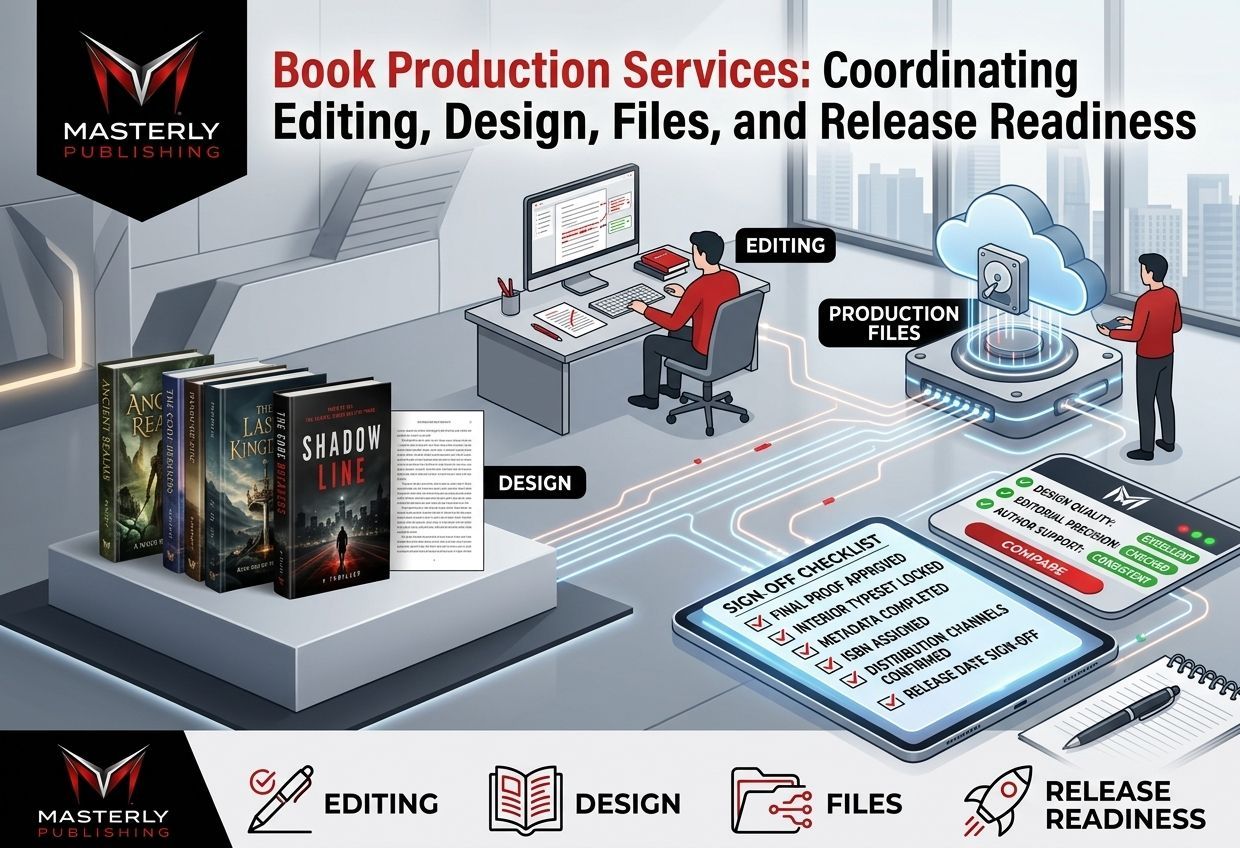
Many independent authors benefit from expert support that spans editing, cover design, ISBNs, and distribution setup rather than piecing everything together alone. A book publisher or publishing services company can handle the technical compliance work - file preparation, metadata planning, platform uploads for both print and digital books - so you focus on writing and marketing.
Distribution support starts with making your files platform-ready and ends with confirming your book is correctly listed and orderable. It does not replace marketing. It makes sure your book is actually available and presented correctly when readers go looking. Professional support is especially valuable for authors publishing across multiple formats or targeting both US and international English-language markets.
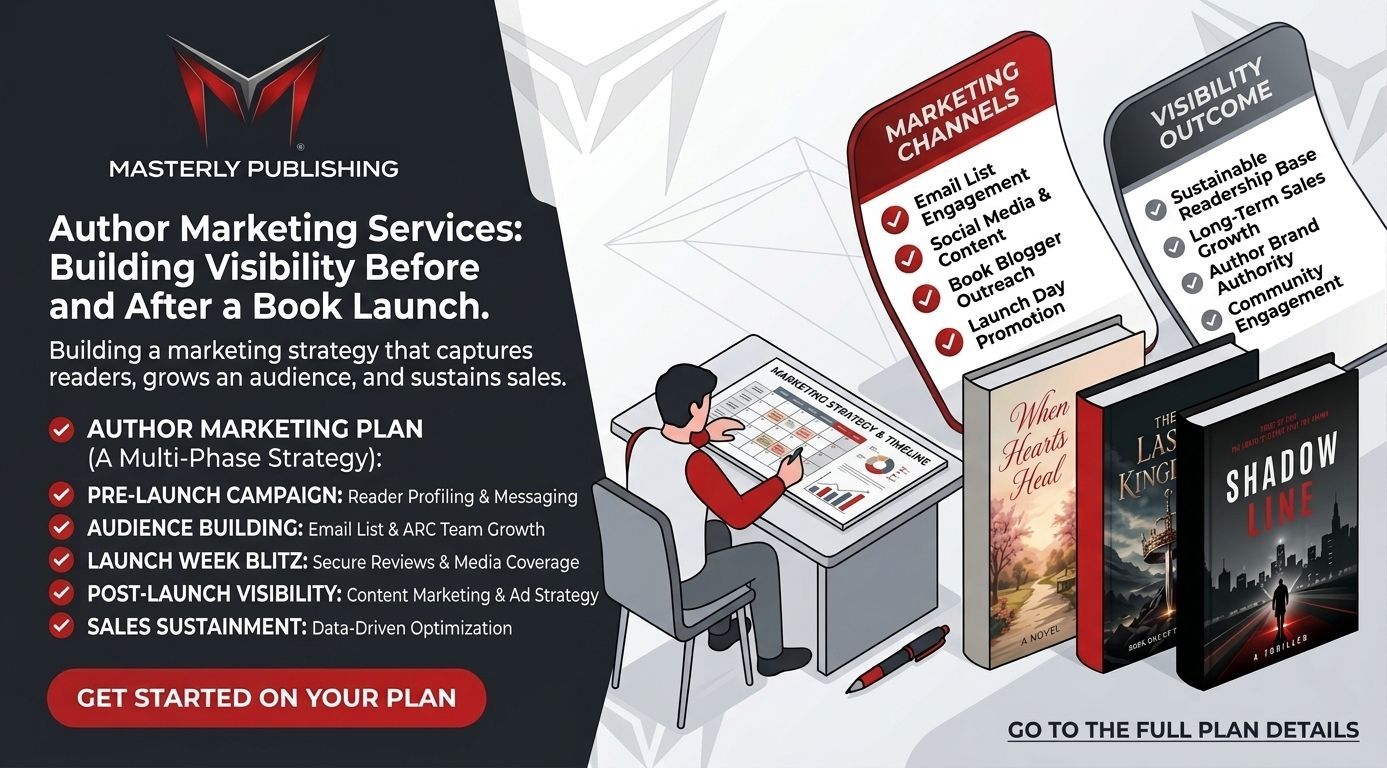
If you are working with a publishing team, make sure they are clear about what falls under book publishing services (editing, design, production), what falls under book marketing (launch plans, ads, promotion), and what falls under distribution services (platform setup, metadata, ISBN assignment, channel strategy).
When to Ask for Help: Next Steps and Consultation CTA
The main decisions you face are practical ones: which formats (print, digital, audio) and channels (trade distribution, direct sales, Google Play Books, libraries) matter most for your book right now, and whether your files and metadata are truly ready for distribution.
If you are unsure about your distribution readiness - or if you want a clear roadmap for reaching bookstores, libraries, and online retailers without leaving money on the table - request a publishing consultation with Masterly. You will get a quick assessment of your current manuscript or files, guidance on the right distribution strategy for your goals (US-only launch, North American, or international English-language markets), and a realistic picture of what your sales opportunities look like across channels.
Distribution is a set of decisions, not a single file upload. The right plan connects your finished book to the readers who need it.