



Self-Publishing a Book Here’s How to Create a Strong Online Presence
The world of self publishing is highly competitive, making it crucial for self published authors to establish a strong online presence. Unlike traditional publishing, where marketing efforts are often handled by a publishing company, self-published authors must take charge of their own promotions. A well-planned marketing strategy can make the difference between a self published book that sells well and one that goes unnoticed. With many self publishing platforms available, authors must leverage online tools to attract their target audience and boost book sales.
Building an Author Website to Sell Your Book
One of the most powerful tools for independent authors is an author website. A personal website gives you complete creative control over your branding and marketing. It allows you to showcase your writing career, feature an engaging author bio, and provide potential buyers with a direct way to purchase your book. Most self publishing companies recommend authors create their own sites to maximize visibility and encourage readers to follow their journey.
Key Elements of a Strong Author Website:
- A compelling book description that grabs attention
- A professional book cover to establish credibility
- Easy-to-find links to major online retailers
- A blog section to discuss the writing process and attract traffic
- A newsletter signup to build a loyal readership
Leveraging Social Media to Market Your Book
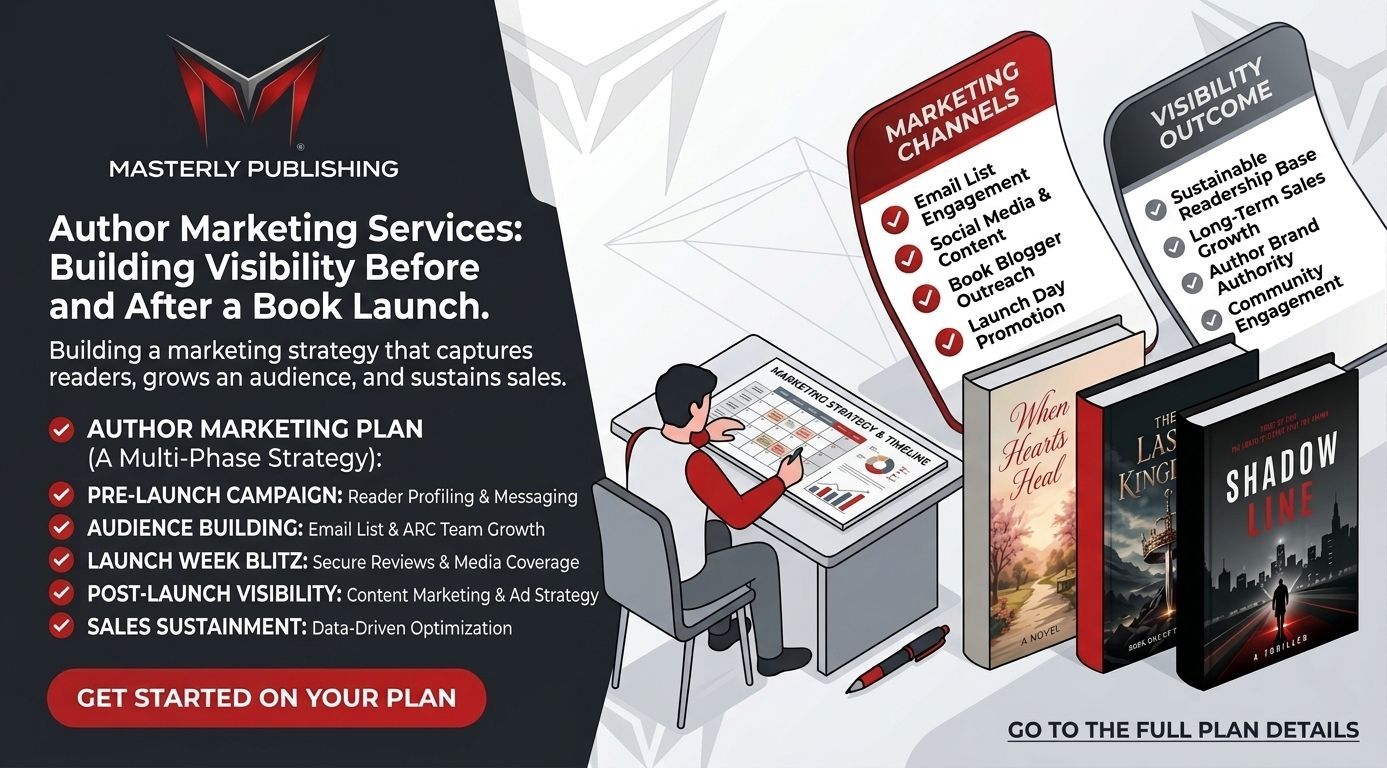
Social media platforms play a vital role in any marketing strategy for self publishers. Sites like Facebook, Instagram, Twitter, and TikTok help authors build their audience and drive traffic to their publishing platform. With smart engagement tactics, authors can attract readers and increase book sales with minimal cost.
Social Media Strategies for Self-Published Authors:
- Post engaging content related to your publishing journey
- Share behind-the-scenes insights into your writing process
- Run giveaways to increase exposure
- Utilize hashtags relevant to self publishing and your genre
- Connect with book influencers for collaboration opportunities
Choosing the Right Self-Publishing Platform
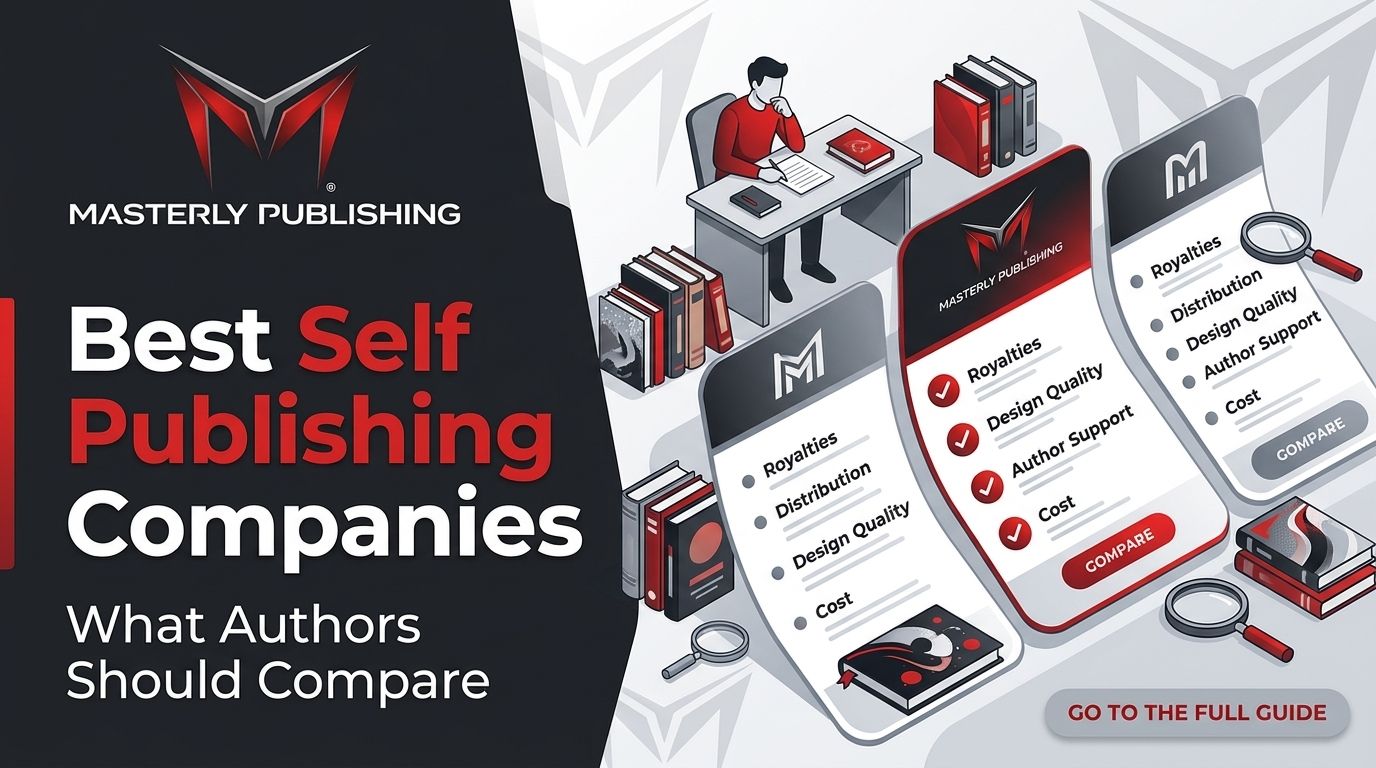
Selecting a self publishing platform is crucial to successfully launch your book. Some authors prefer Kindle Direct Publishing (KDP) for its vast reach, while others opt for platforms offering print on demand services to cater to readers who prefer print books. Unlike traditionally published books, self-published works require authors to manage their book distribution and marketing independently.
Popular Self-Publishing Platforms:
- Kindle Direct Publishing (KDP) – Ideal for ebook conversion and global reach
- Noble Press – Offers exclusive benefits for select genres
- Multiple platforms – Expands availability across different markets
The Role of a Professional Book Cover in Self Publishing
A well-designed book cover is one of the most critical elements of a successful book launch. An eye-catching cover helps your book stand out among thousands of others. Many self publishing companies offer professional cover design services, but most self publishing companies recommend hiring experts to ensure your cover file meets industry standards.
Tips for an Effective Book Cover:
- Use high-quality images for a polished look
- Ensure the cover design reflects the genre and mood of your book
- Make the book title clear and legible
- Optimize for ebook cover and print books formats
Utilizing Low-Cost Marketing Strategies to Boost Sales
While traditional publishing often requires hefty marketing budgets, self publishing success can be achieved through low-cost marketing strategies. Platforms like Amazon, Goodreads, and BookBub provide free tools to help authors promote their books.
Budget-Friendly Ways to Market Your Book:
- Join online book communities to increase visibility
- Offer limited-time discounts to generate buzz
- Focus on reader reviews to establish credibility
- Utilize social media ads with a few hundred dollars for targeted reach
Why Self-Published Authors Should Consider Professional Services
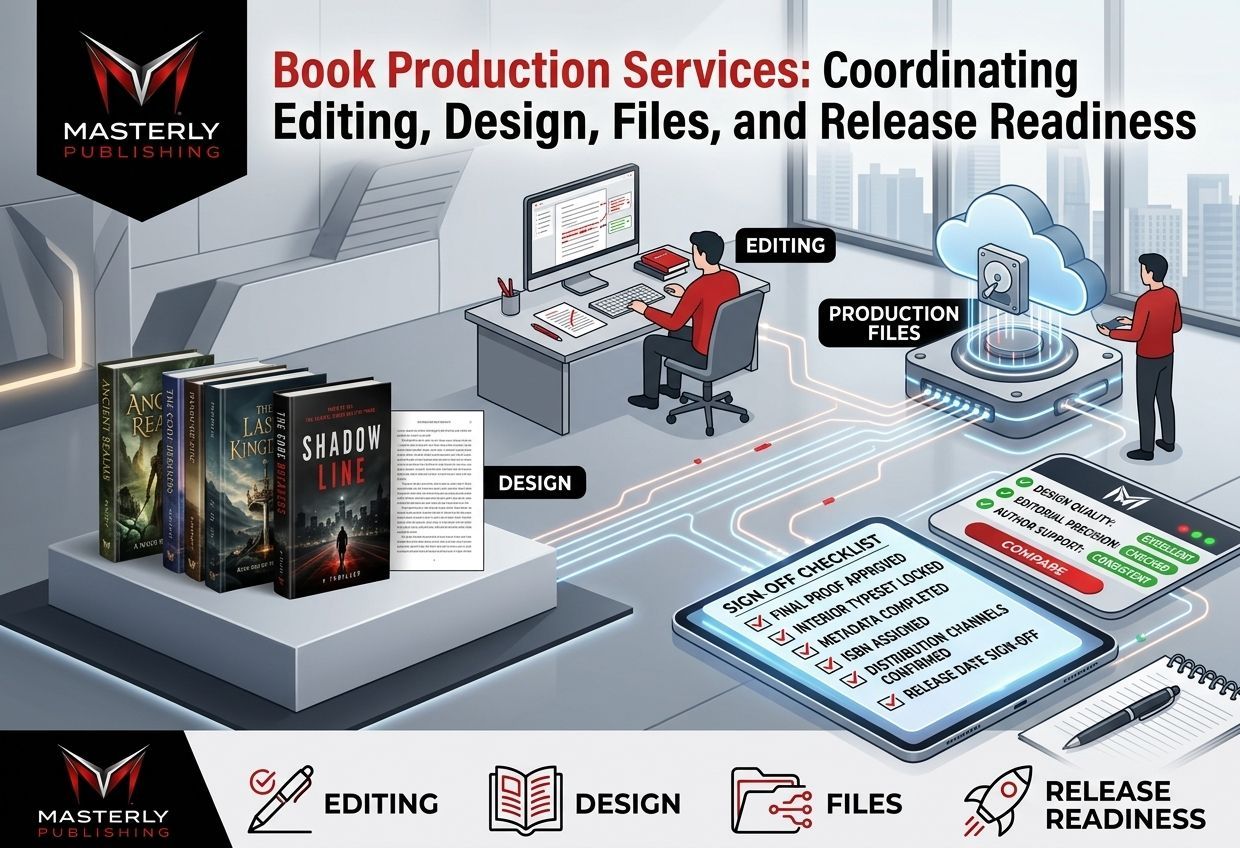
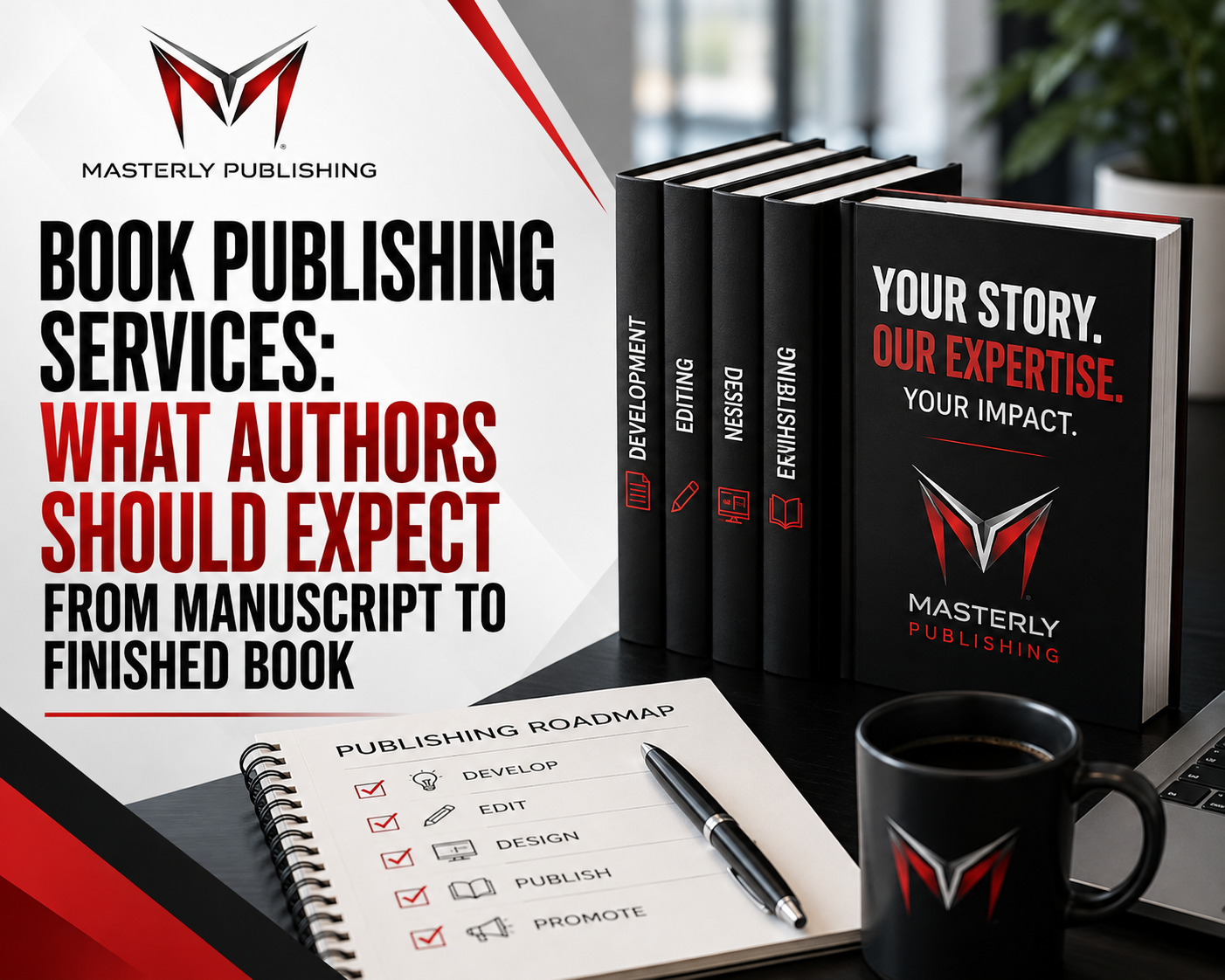
One of the challenges self published authors face is managing every aspect of the publishing process on their own. Many opt for self publishing services that provide assistance with book editing, formatting, and copy editing. While self-publishing gives you control, partnering with professionals can help you successfully publish a high-quality book.
Services Offered by Masterly Publishing:
- Book editing and character development assistance
- Professional cover design and book printing services
- Book distribution strategies for physical bookstores and online retailers
- Legal guidance to protect your intellectual property

Expanding Your Reach Through Book Distribution
Unlike traditionally published authors who rely on a traditional publisher, self published authors must handle book distribution themselves. Leveraging multiple platforms ensures your book is available in different formats, including print on demand for readers who prefer print books. Selling across many self publishing platforms also helps maximize exposure and increase book sold numbers.
Best Practices for Book Distribution:
- Use print on demand services to avoid high inventory costs
- Ensure your book has an own ISBN for professional identification
- Distribute on platforms with access to both ebook conversion and book printing
Establishing Your Online Presence as a Self-Published Author
Taking the leap to self-publish your book is an exciting step in your self-publishing journey, but success requires more than just getting your own book out into the world. Many self-published authors find that a strong sales strategy and an engaging online presence are essential for increasing visibility and making more money from their writing. Creating an own website to highlight your books published, connect with readers, and establish credibility in the publishing industry is a crucial step. As the book industry evolves, having a direct platform to market and sell your work can make a significant difference in your overall success.
Building an Author Brand: Online Strategies for Self-Published Writers
Embarking on your self-publishing journey requires more than just finishing a manuscript—it demands a well-planned sales strategy to stand out in the competitive book industry. Unlike traditionally published authors, most self-published authors must take full control of marketing and branding to drive book sales and earn more money from their work. A great starting point is to self-publish your book with a strong online presence, beginning with an own website to showcase your books published and engage with readers. As the publishing industry continues to shift toward digital platforms, having a direct connection with your audience is crucial for long-term success.
How to Successfully Publish Your Own Book and Build an Online Presence
Deciding to publish your own book is an empowering step in your self-publishing journey, but without a strong online presence, it can be challenging to gain traction in the book industry. Unlike traditionally published authors, most self-published authors must develop a sales strategy to promote their work and maximize profits, helping them earn more money from their efforts. Creating an own website is essential for showcasing your books published, engaging with readers, and establishing credibility in the publishing industry. With the right digital marketing approach, you can increase visibility, grow your audience, and turn your book into a lasting success.
Mastering the Digital Landscape: A Guide to Self-Publishing a Book
Self-publishing a book is an exciting and rewarding endeavor, but success requires more than just great writing. Navigating the publishing process means taking control of marketing, branding, and sales to ensure your self-published book reaches the right audience. With the rise of self-publishing, authors now have direct access to readers, but competition in the publishing industry is fierce. Establishing a strong online presence through an own website, social media, and a well-planned sales strategy can help maximize visibility and generate more money from your work. Whether you're new to self-publishing or looking to refine your approach, investing in your digital footprint is essential for long-term success.
Navigating the Self-Publishing Process: Key Steps for Success
The self-publishing process can be both exciting and overwhelming, but taking the right steps can make a significant difference in your book’s success. Unlike traditional publishing, self-publishing a book requires authors to take full control over editing, formatting, and marketing. A well-planned sales strategy and a strong online presence, including an own website, can help increase visibility and generate more money from your self-published book. As the publishing industry evolves, understanding the nuances of the self-publishing process will empower you to effectively market and distribute your work, ensuring long-term success in the book industry.
How Independent Authors Can Build a Strong Online Presence
For independent authors, a strong online presence is crucial to standing out in the competitive book industry. Unlike those who work with a traditional publisher, self-publishers must take full responsibility for marketing, branding, and sales. The self-publishing process requires authors to develop a solid sales strategy, create an own website, and leverage social media to promote their self-published book. Many independent authors find that taking control of their publishing journey allows them to earn more money while maintaining full creative rights. Whether using a self-publishing service or managing everything independently, a strategic online approach can make all the difference in an author’s success.
Crafting a Compelling Book Description for Your Self-Published Book
A well-written book description is essential for attracting readers and boosting sales in the competitive book industry. For independent authors and self-publishers, this short summary serves as a key marketing tool, helping potential buyers understand what makes your self-published book worth reading. Unlike authors who work with a traditional publisher, those navigating the self-publishing process must craft their own promotional content, including a compelling book description that hooks readers immediately. Pairing a strong description with an own website and a targeted sales strategy can increase visibility and help you earn more money from your writing.
Self-Publishing vs. Traditional Publisher: Which is Right for You?
Choosing between self-publishing and working with a traditional publisher is a major decision for any author. While a traditional publisher handles editing, marketing, and distribution, self-publishers retain full creative and financial control over their work. The self-publishing process allows authors to publish on their own terms, often leading to more money in royalties compared to traditional deals. However, a strong sales strategy and an own website are essential for marketing and visibility in the book industry. Whether you opt for a self-publishing service or go entirely independent, understanding the pros and cons of each path can help you make the right choice for your self-published book.
Selecting the Ideal Book Title for Your Independently Published Work
Selecting the right book title is one of the most important steps in the self-publishing process. A compelling book title grabs attention, sets expectations, and helps your self-published book stand out in the crowded book industry. Unlike authors who work with a traditional publisher, independent authors and self-publishers must take full control of their book’s branding and marketing. Pairing an engaging title with a strong book description, an own website, and a well-planned sales strategy can maximize visibility and generate more money from book sales.
Choosing the Right Self-Publishing Service for Your Book
Selecting a reliable self-publishing service is a crucial step in the self-publishing process, helping authors streamline everything from formatting to distribution. Unlike traditional publishing, where much of the work is handled by a publishing house, self-publishers must take full control of marketing, pricing, and branding. A professional self-publishing service can simplify the journey, ensuring your self-published book reaches the right audience while allowing you to focus on writing. Additionally, investing in an own website and a strong sales strategy can enhance visibility and help you earn more money in the competitive book industry.
The Best Way to Self-Publish a Book and Build Your Author Brand
Finding the best way to self-publish a book requires careful planning, from choosing a self-publishing service to developing a strong sales strategy. Unlike working with a traditional publisher, independent authors and self-publishers must oversee every aspect of the self-publishing process, including marketing, distribution, and pricing. Creating an own website, crafting an engaging book description, and selecting a compelling book title can significantly impact visibility in the book industry. By taking control of your publishing journey, you can maximize your reach, grow your audience, and ultimately earn more money from your self-published book.
Why Self-Publishers Need a Strong Online Presence
For self-publishers, building an online presence is essential to standing out in the competitive book industry. Unlike traditionally published authors, those who choose self-publishing must take full control of marketing and promotion to ensure their self-published book reaches the right audience. A well-executed self-publishing process includes creating an own website, developing a solid sales strategy, and leveraging digital platforms to maximize visibility and earn more money. As the publishing industry continues to evolve, self-publishers who invest in their digital footprint will have a greater chance of long-term success.
Contact Us for Expert Self-Publishing Assistance
Masterly Publishing is committed to helping authors navigate the self publishing process and achieve self publishing success. Whether you're looking for help with book editing, professional cover design, marketing services, or distribution, we offer comprehensive solutions tailored to your needs. Don’t let the complexities of self publishing a book hold you back. Contact us today at (888) 209-4055 to book a free consultation and get expert guidance on bringing your book to life.